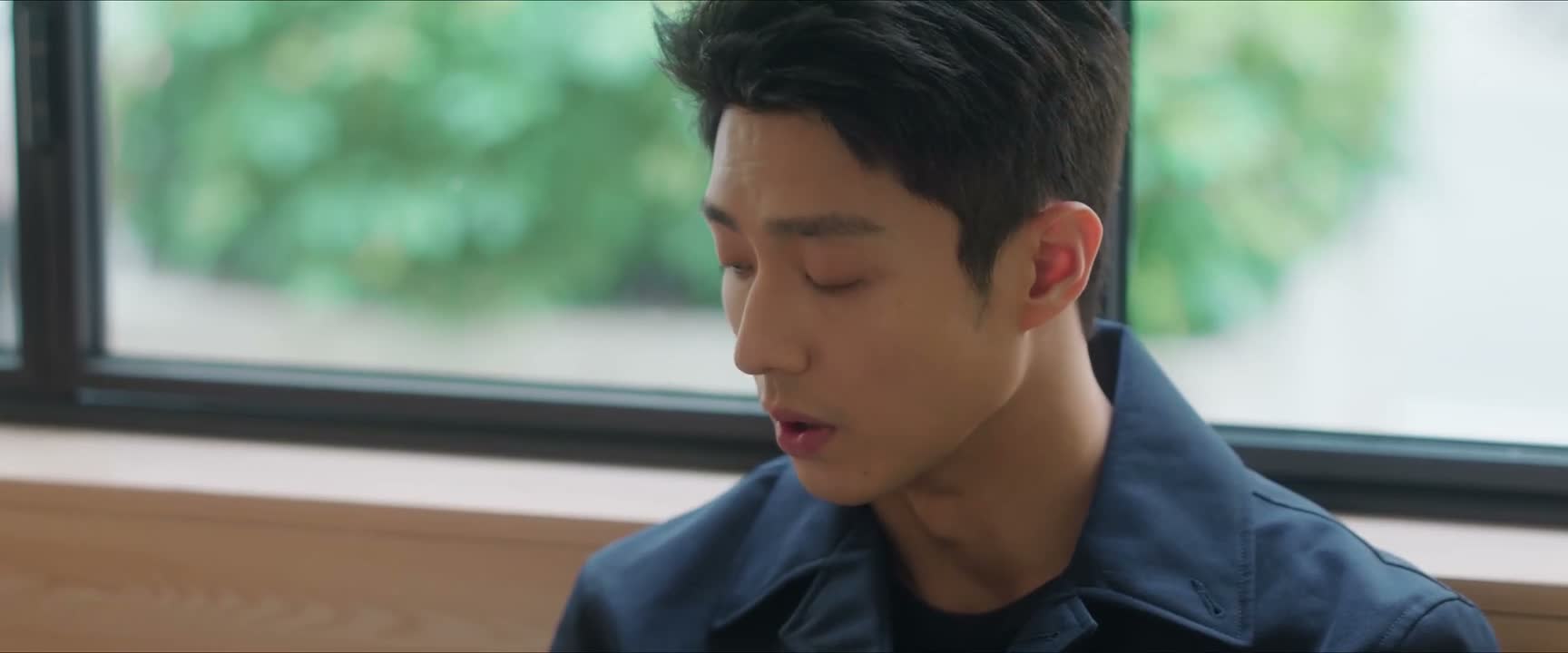
《My Destiny》 S1·E10 (03:23)
HSK 3
bù kě néng tā méi dì fāng qù
不可能 她没地方去
“That can't be. She's got nowhere else.”
《My Destiny》
S1·E10
TIMECODE: 03:23
·
1080P MASTER AUDIO
THE DIALOGUE REEL
[-1] PREVIOUS TURN
dōu zǒu le
都走了
“They all left.”
bù kě néng tā méi dì fāng qù
CURRENT FOCUS
不可能 她 没地方去
“That can't be. She's got nowhere else.”
[+1] FOLLOW-UP TURN
shī fù
师傅
“Sir,”
Subtitles synced to millisecond timecode
Browse Show Clips →
Scene:
Daily Life
Function:
DENYING AND ASSERTING
Tone:
FIRM
Emotion:
ANXIETY
WHAT THEY REALLY MEAN (PRAGMATIC SUBTEXT)
“That can't be true, she has nowhere else to go—she must still be around here.”
💡 Cultural Insight: shifu (master / driver / skilled worker)
In modern colloquial Chinese, it is commonly used as a general respectful address for drivers, skilled workers, manual laborers, or unfamiliar adult men. Its usage indicates that the speaker is preparing to address or seek help from a driver or relevant worker.
INTENT TAGS:
#denial
#anxiety
#searching
#speculation
🧩
2 CHUNKS · 0 PARTICLES
LEARNING CHUNKS & PARTICLES
不可能
SPOKEN CHUNK
impossible; no way
A very high-frequency colloquial negative expression, often used as a standalone sentence to convey strong disbelief or firm rejection.
没地方去
SPOKEN CHUNK
nowhere to go; have no place to stay
Commonly used to describe someone who is stranded, isolated, or left without alternative shelter.
🏮
2 EXPR · 0 GRAMMAR
VOCABULARY & EXPRESSIONS
COLLOQUIAL EXPRESSIONS:
CROSS-CINEMA CORPUS BOARD · PARALLEL SCENES
EXPLORE BY SEMANTIC SIMILARITY
Parallel Spoken Cinema Scenes (语义近邻切片)

《My Destiny》 S1·E10 (03:23) · Authentic Cinema Dialogue Corpus