MC
MandarinClips Cinema Corpus
《Vanished Name》 S1·E8 (07:05) HSK 6
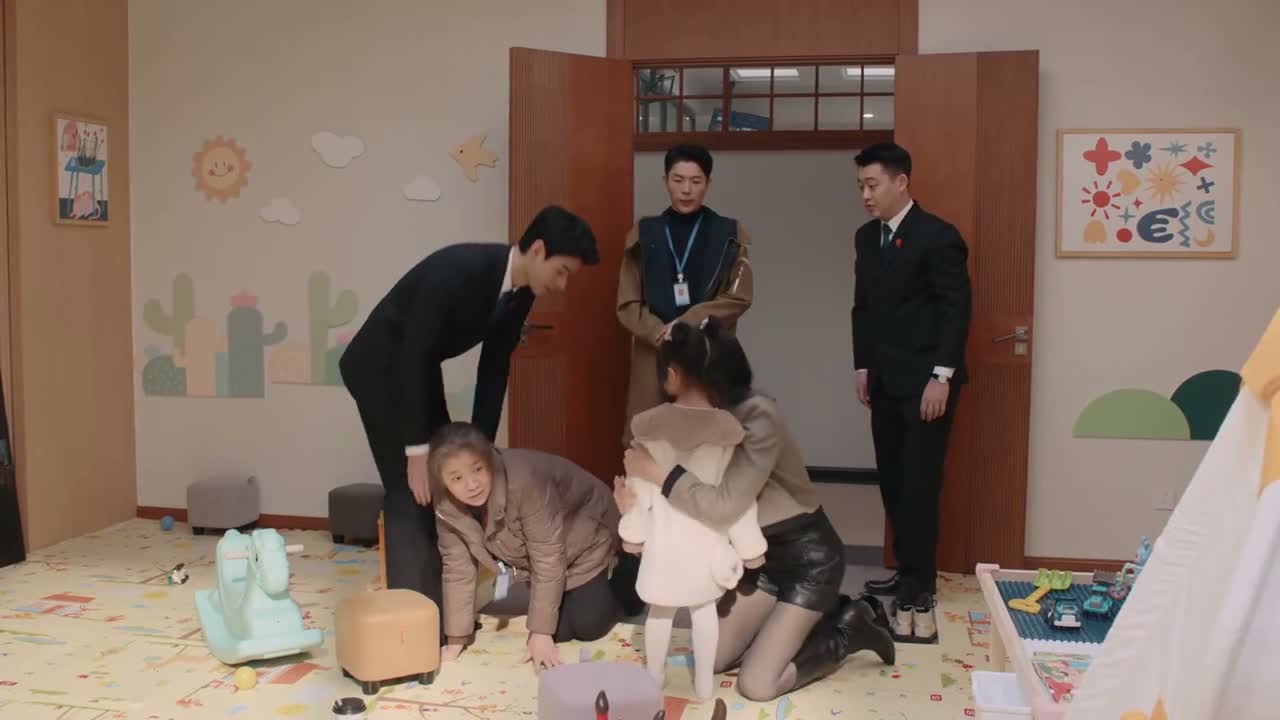
nǐ men liǎ zuó tiān wǎn shàng yě nǎ ér qù le

你们俩昨天晚上野哪儿去了

“Where did you two go last night?”

《Vanished Name》 S1·E8
TIMECODE: 07:05 · 1080P MASTER AUDIO

THE DIALOGUE REEL

1+1+1 SPOKEN CONTINUITY
[-1] PREVIOUS TURN shuǎ zuǐ pí zi nǐ kàn wǒ bù chōu nǐ

“Keep talking, and I'll beat you.”

nǐ men liǎ zuó tiān wǎn shàng yě nǎ ér qù le CURRENT FOCUS

你们俩昨天晚上 野哪儿去了

“Where did you two go last night?”

[+1] FOLLOW-UP TURN nǐ men zuó tiān qù jiā nián huá xiāo sǎ

“You went to the carnival yesterday.”

Subtitles synced to millisecond timecode Browse Show Clips →
Scene: Family & Home
Function: INTERROGATING AND SCOLDING
Tone: REPROACHFUL
Emotion: ANGER
WHAT THEY REALLY MEAN (PRAGMATIC SUBTEXT)
“Where the hell did you two run off and mess around last night?”
💡 Cultural Insight: The colloquial verb 'ye' (running wild)

In Chinese household contexts, using 'ye' (wild) as a verb is commonly employed by elders to reprimand younger family members for staying out late or running around undisciplined without permission, carrying a sharp rebuke for being unaccounted for.

INTENT TAGS: #questioning #scolding #inquiring about whereabouts
🧩

LEARNING CHUNKS & PARTICLES

1 CHUNKS · 0 PARTICLES
野哪儿去了 SPOKEN CHUNK

To run wild outside without restraint or permission, with whereabouts unknown

Here, 'ye' is colloquially used as a verb. It is frequently used by parents scolding children or between intimate relations to reprimand someone for gallivanting around and failing to return home on time.

🏮

VOCABULARY & EXPRESSIONS

1 EXPR · 0 GRAMMAR
COLLOQUIAL EXPRESSIONS:
CROSS-CINEMA CORPUS BOARD · PARALLEL SCENES

Parallel Spoken Cinema Scenes (语义近邻切片)

EXPLORE BY SEMANTIC SIMILARITY
《Vanished Name》 S1·E8 (07:05) · Authentic Cinema Dialogue Corpus