《The Knockout》 S1·E7 (21:17)
HSK 5
wǒ men pèi zuò yí gè jǐng chá ma
我们配做一个警察吗
“Do we deserve to be a police officer?”
《The Knockout》
S1·E7
TIMECODE: 21:17
·
1080P MASTER AUDIO
THE DIALOGUE REEL
[-1] PREVIOUS TURN
yǒu de shì wǒ men ràng xú jiāng qù xiāo yáo shí nián bā nián ma
有的是 我们让徐江去逍遥 十年八年吗
“that haven't been solved for eight or ten years. So we should let Xu Jiang loose for eight or ten years?”
wǒ men pèi zuò yí gè jǐng chá ma
CURRENT FOCUS
我们 配做 一个警察吗
“Do we deserve to be a police officer?”
[+1] FOLLOW-UP TURN
nǐ gàn má qù nǐ gěi wǒ huí lái nǐ huí lái
你干吗去 你给我回来 你回来
“Where are you going? You come back! Come back!”
Subtitles synced to millisecond timecode
Browse Show Clips →
Scene:
Legal & Police
Function:
RHETORICAL QUESTIONING
Tone:
PROVOCATIVE
Emotion:
INDIGNATION
WHAT THEY REALLY MEAN (PRAGMATIC SUBTEXT)
“If we let him walk away, we are completely disgraced and unfit to wear this uniform.”
💡 Cultural Insight: Moral Worthiness (配)
The word '配' centers on whether a person's behavior is morally or ethically worthy of their social title or role, serving as a powerful appeal to duty and conscience.
INTENT TAGS:
#moral_challenge
#self_reproach
#indignation
#incitement
🧩
1 CHUNKS · 1 PARTICLES
LEARNING CHUNKS & PARTICLES
配做
SPOKEN CHUNK
worthy of being / deserving to be
Commonly used in negative or rhetorical forms like '配做...吗' or '不配做...' to challenge moral qualifications or worth.
Modal Particle「吗」 (ma)
CHANGE OF STATE
Forms a sharp rhetorical question that implies an emphatic negative answer.
🏮
1 EXPR · 0 GRAMMAR
VOCABULARY & EXPRESSIONS
COLLOQUIAL EXPRESSIONS:
CROSS-CINEMA CORPUS BOARD · PARALLEL SCENES
EXPLORE BY SEMANTIC SIMILARITY
Parallel Spoken Cinema Scenes (语义近邻切片)
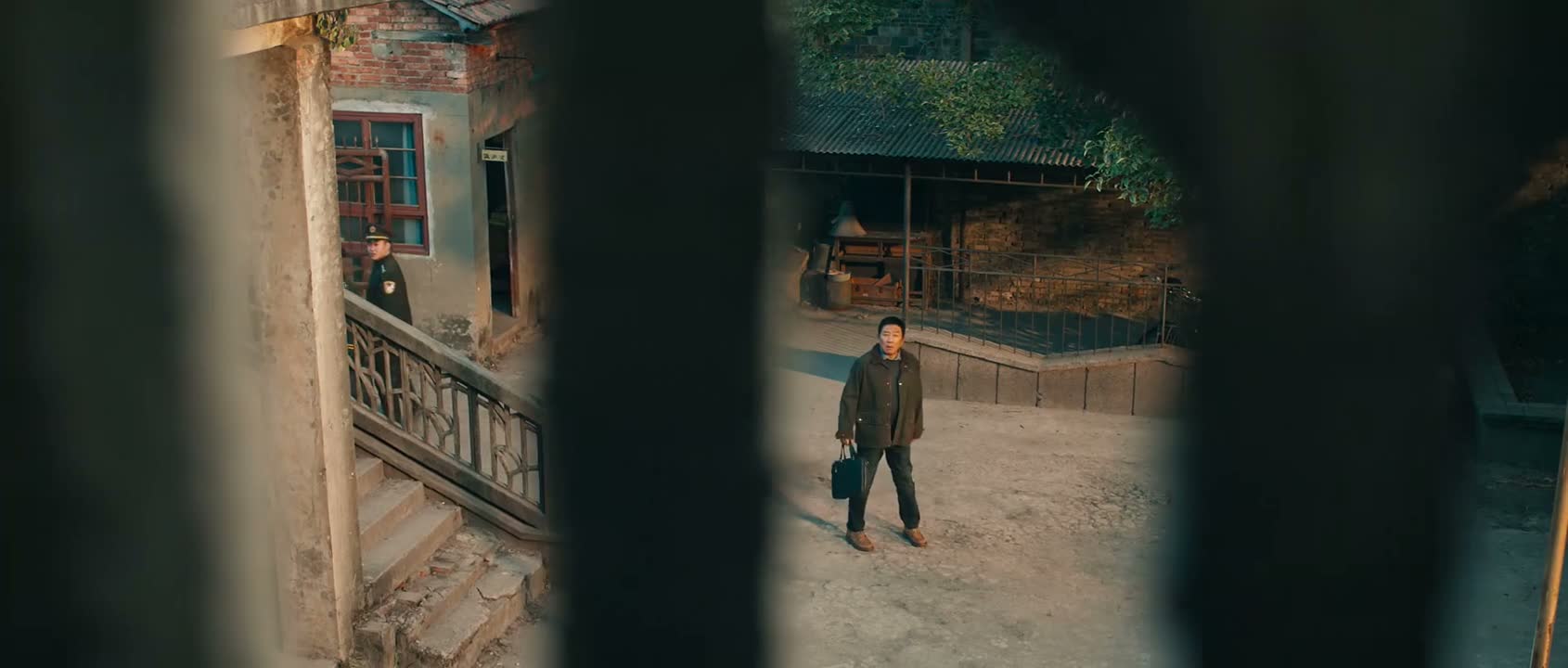
《The Knockout》 S1·E7 (21:17) · Authentic Cinema Dialogue Corpus