这车不都是咱俩的吗
“This car is ours now anyway.”
THE DIALOGUE REEL
他死在哪
“Who cares where he died?”
这车 不都是 咱俩的吗
“This car is ours now anyway.”
啥叫咱俩的
“What do you mean "ours"?”
“We're in this together, so stop acting like this car has nothing to do with you.”
Using 'zan' instead of 'women' creates an intimate or complicit frame, often leveraged rhetorically to entrap the interlocutor into shared responsibility.
LEARNING CHUNKS & PARTICLES
belonging to both of us
Uses the inclusive northern pronoun 'zan' to emphasize togetherness and mutual involvement.
aren't they all / isn't it entirely
A rhetorical framing pattern used to counter someone's claim by asserting common knowledge.
Transforms the assertion into a rhetorical question to challenge the listener.
VOCABULARY & EXPRESSIONS
Parallel Spoken Cinema Scenes (语义近邻切片)
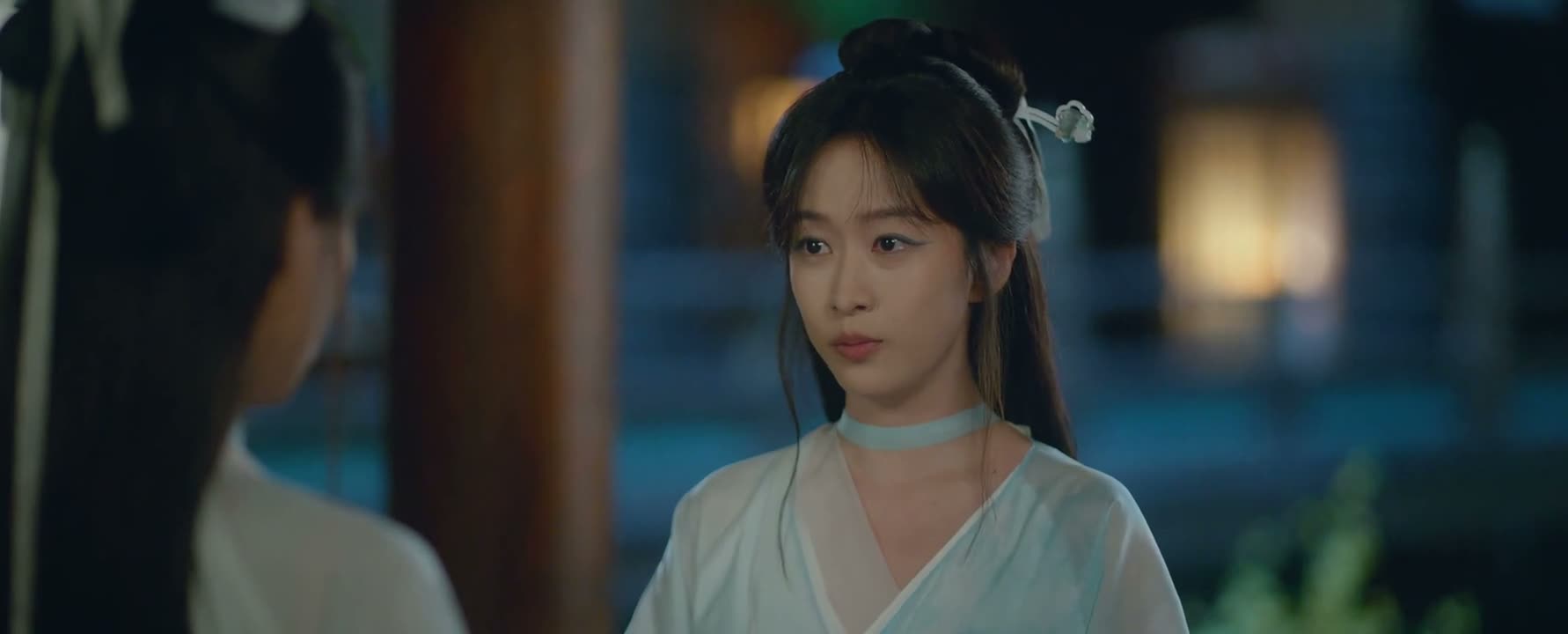
“Didn't we come up here together?”
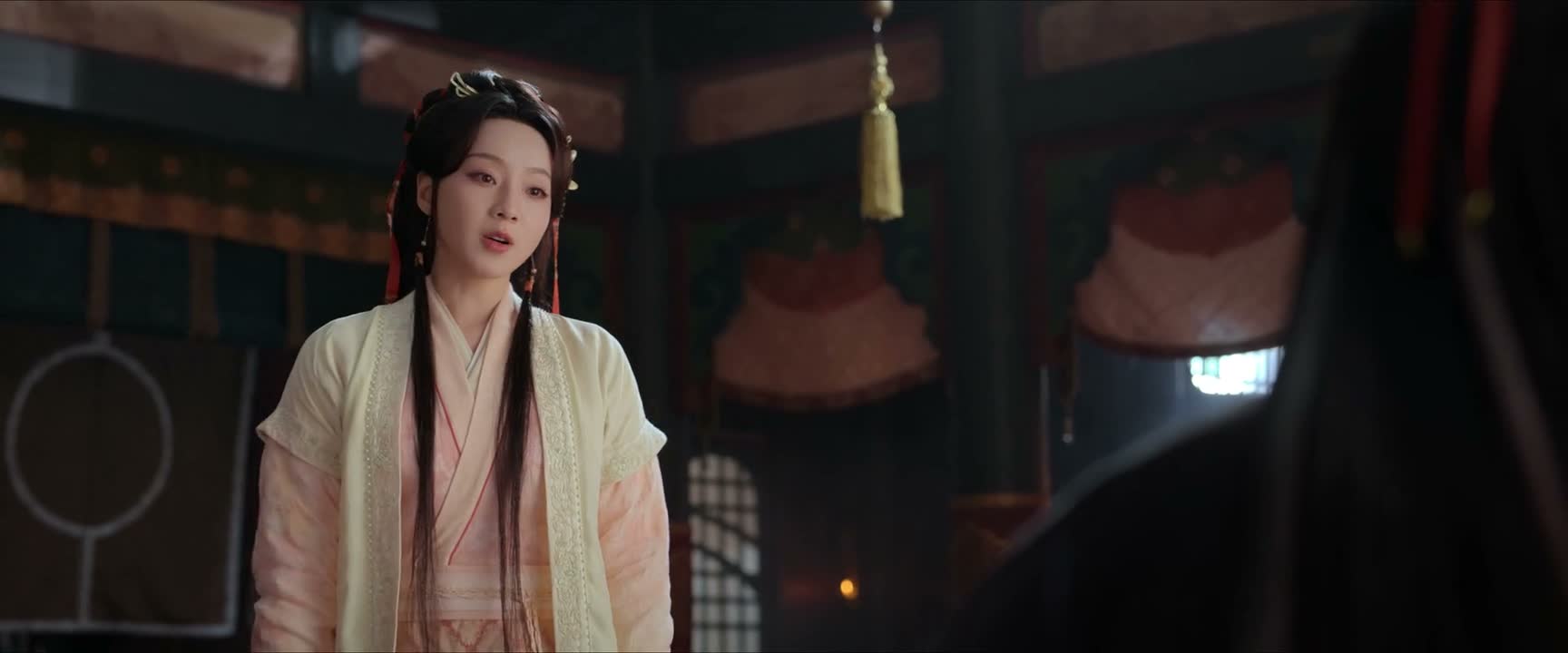
“I know we belong to different worlds.”

“you've been brake-checking us all the way.”

“but we're not suited for each other.”