MC
MandarinClips Cinema Corpus
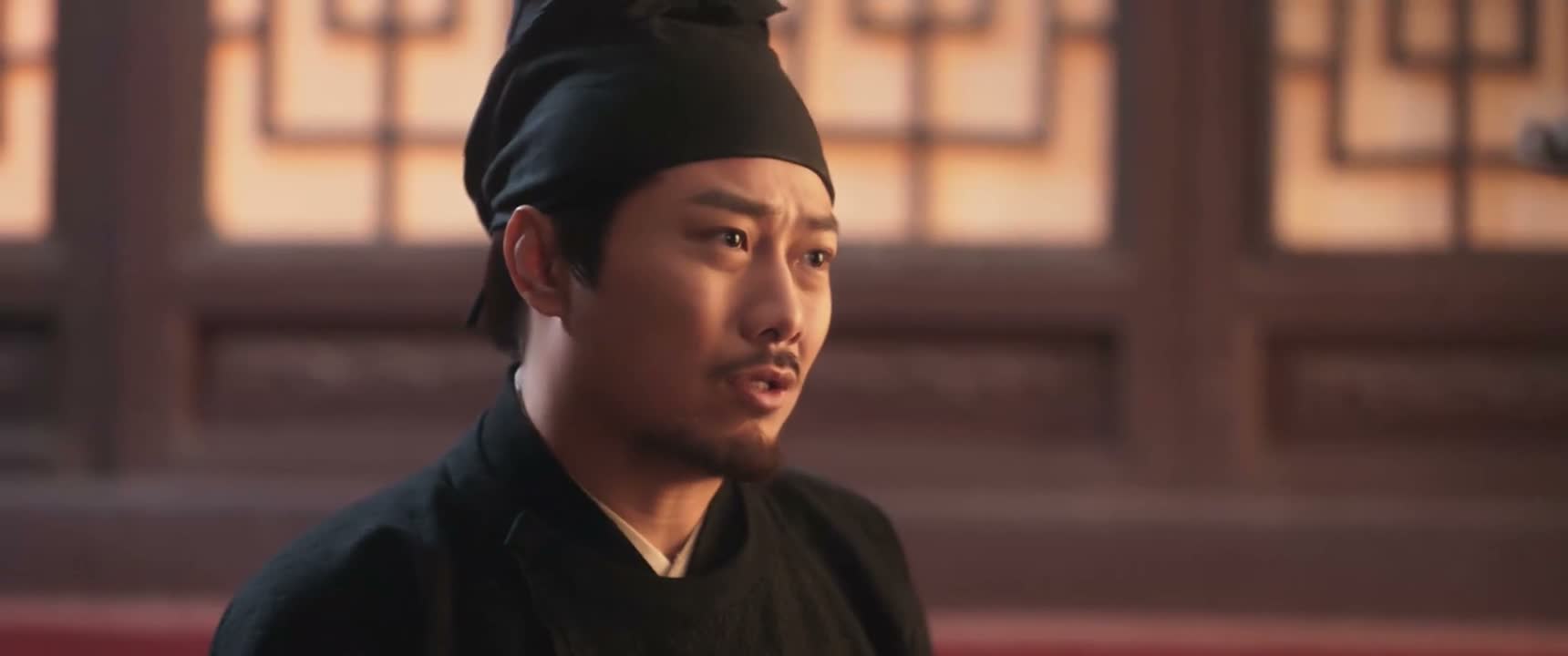
《The Lead》 S1·E41 (13:56) HSK 1
wǒ men zuò le shá niè le

我们作了啥孽了

“What have we done wrong?”

《The Lead》 S1·E41
TIMECODE: 13:56 · 1080P MASTER AUDIO

THE DIALOGUE REEL

1+1+1 SPOKEN CONTINUITY
[-1] PREVIOUS TURN hái huì yāo zhé

还会夭折

“will die young.”

wǒ men zuò le shá niè le CURRENT FOCUS

我们作了啥孽了

“What have we done wrong?”

[+1] FOLLOW-UP TURN wá zǎ shēng xià lái jiù shì zhè

娃咋生下来就是这

“Why does the child suffer this?”

Subtitles synced to millisecond timecode Browse Show Clips →
Scene: Crisis & Conflict
Function: LAMENTING MISFORTUNE
Tone: ANGUISHED AND MOURNFUL
Emotion: GRIEF
WHAT THEY REALLY MEAN (PRAGMATIC SUBTEXT)
“What did we do to deserve this cruel tragedy?”
💡 Cultural Insight: Karmic Retribution (Ye / Baoying)

Deeply influenced by Buddhist and folk notions of karma, Chinese speakers often frame inexplicable personal tragedies as retribution for unseen ancestral or past-life wrongdoings.

INTENT TAGS: #lamenting #despair #questioning_fate #helplessness
🧩

LEARNING CHUNKS & PARTICLES

2 CHUNKS · 1 PARTICLES
作孽 SPOKEN CHUNK

to commit a sin; to bring about karmic retribution

Used in dramatic laments or self-pitying rhetorical questions to bemoan extreme, undeserved misfortune.

作了啥孽 SPOKEN CHUNK

what sin did (we) commit

A common colloquial and dialect-friendly rhetorical exclamation expressing utter helplessness in the face of disaster.

Modal Particle「了」 (le) CHANGE OF STATE

Marks the completion of hypothetical past misdeeds that led to the current tragic state.
CROSS-CINEMA CORPUS BOARD · PARALLEL SCENES

Parallel Spoken Cinema Scenes (语义近邻切片)

EXPLORE BY SEMANTIC SIMILARITY
《The Lead》 S1·E41 (13:56) · Authentic Cinema Dialogue Corpus