MC
MandarinClips Cinema Corpus
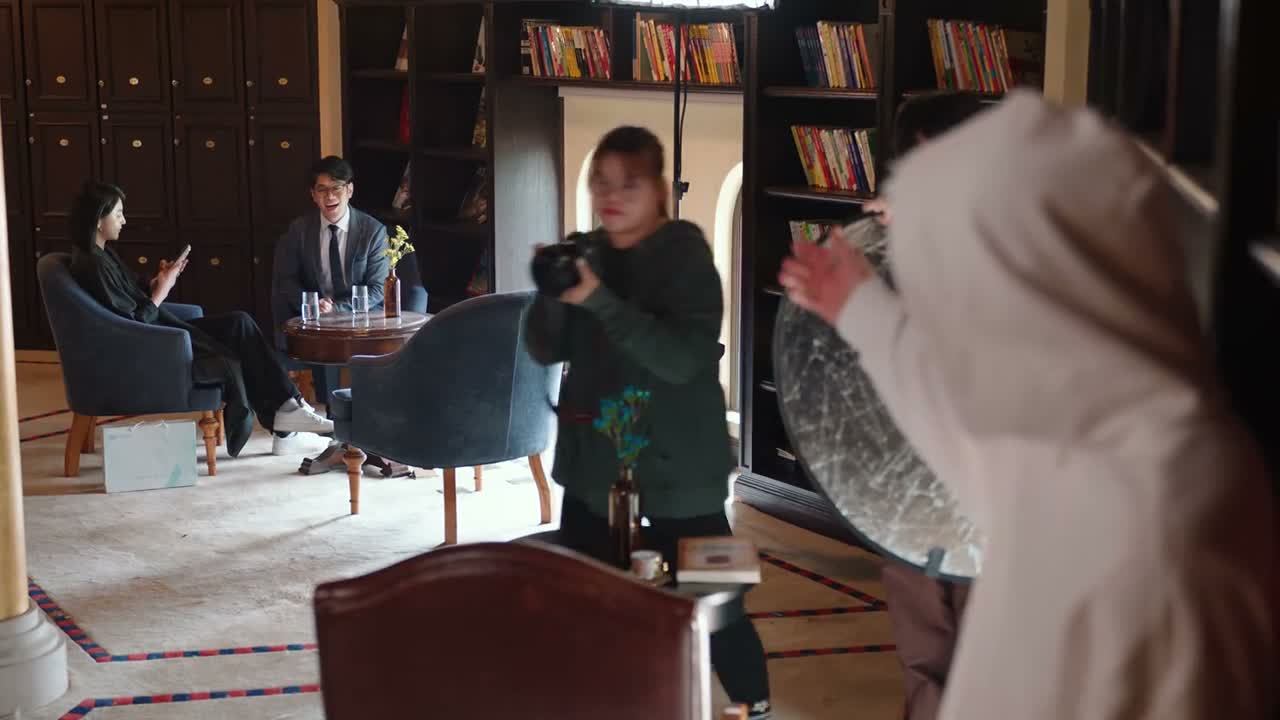
《No Pain No Gain》 S1·E10 (16:29) HSK 6
lù lǎo shī píng shí xǐ huān kàn nǎ yī lèi de shū jí ya

路老师平时喜欢 看哪一类的书籍呀

“Mr. Lu, what kind of books do you usually like to read?”

《No Pain No Gain》 S1·E10
TIMECODE: 16:29 · 1080P MASTER AUDIO

THE DIALOGUE REEL

1+1+1 SPOKEN CONTINUITY
[-1] PREVIOUS TURN lù lǎo shī rú guǒ yǒu tuī jiàn de shū wǒ men kě yǐ pèi hé xuān chuán

路老师如果有推荐的书 我们可以配合宣传

“If you have a book that you recommend, we can promote it as well.”

lù lǎo shī píng shí xǐ huān kàn nǎ yī lèi de shū jí ya CURRENT FOCUS

路老师平时 喜欢 看哪一类 的书籍呀

“Mr. Lu, what kind of books do you usually like to read?”

[+1] FOLLOW-UP TURN tā ya píng shí kàn dé tài duō yī shí bàn huì xiǎng bù qǐ lái le

“He usually reads many books so he doesn't remember them suddenly.”

Subtitles synced to millisecond timecode Browse Show Clips →
Scene: Business & Trade
Function: INQUIRING POLITELY
Tone: POLITE
Emotion: INTEREST
WHAT THEY REALLY MEAN (PRAGMATIC SUBTEXT)

Direct spoken expression in this communicative setting.

💡 Cultural Insight: Honorific Title 'Laoshi'

In professional, literary, and media circles, addressing someone as 'Laoshi' (Teacher) is a standard respectful term for experts, writers, and mentors, even outside of school settings.

INTENT TAGS: #inquiry #politeness #rapport_building #interviewing
🧩

LEARNING CHUNKS & PARTICLES

2 CHUNKS · 1 PARTICLES
哪一类 SPOKEN CHUNK

which category; which type

Used to ask someone to specify a genre or classification rather than a single specific title.

平时 SPOKEN CHUNK

usually; in normal times

Placed before verbs to ask about or describe habitual, day-to-day routines.

Modal Particle「呀」 (ya) CHANGE OF STATE

Softens the interrogative sentence, making the interview question sound warmer, friendly, and less inquisitorial.
🏮

VOCABULARY & EXPRESSIONS

2 EXPR · 0 GRAMMAR
CROSS-CINEMA CORPUS BOARD · PARALLEL SCENES

Parallel Spoken Cinema Scenes (语义近邻切片)

EXPLORE BY SEMANTIC SIMILARITY
《No Pain No Gain》 S1·E10 (16:29) · Authentic Cinema Dialogue Corpus