MC
MandarinClips Cinema Corpus
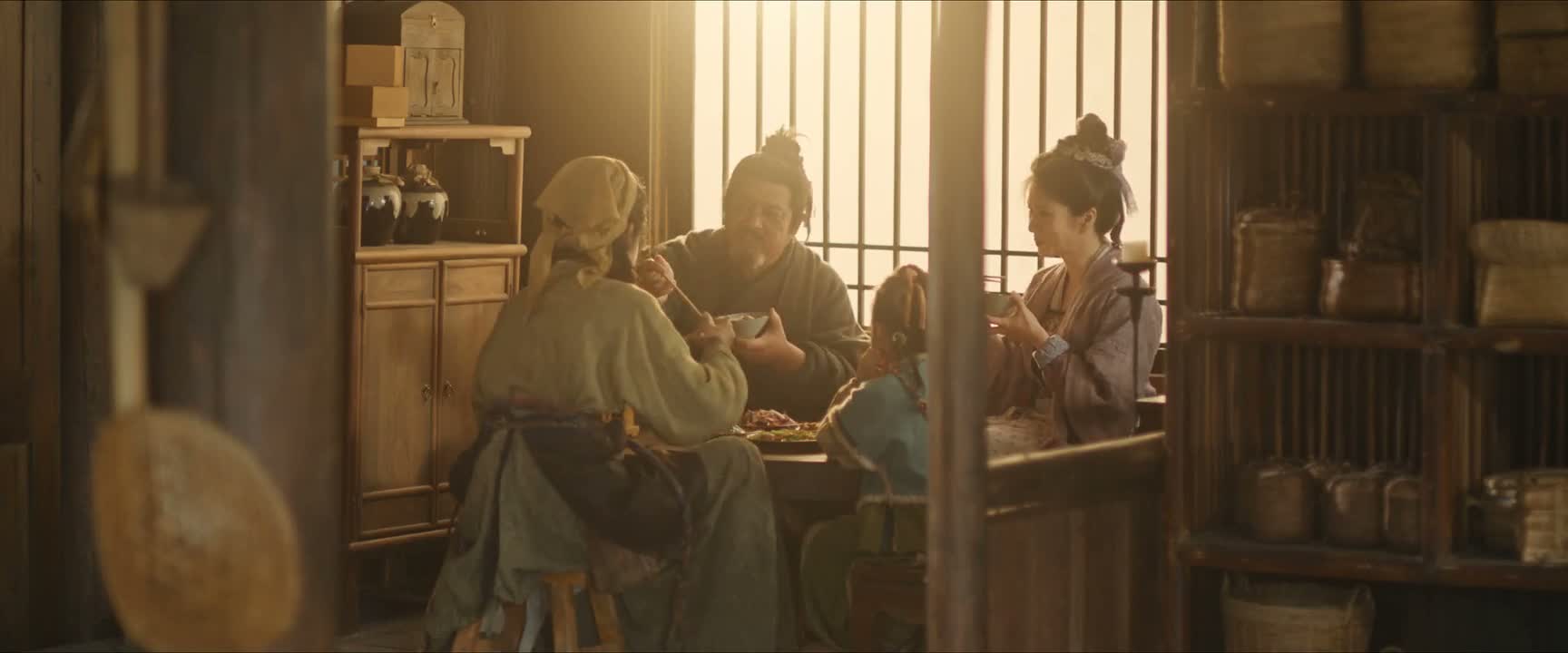
《No Pain No Gain》 S1·E10 (43:50) HSK 5
wǒ jiù xǐ huān pèi zhe dà mǐ fàn yī kuài chī

我就喜欢配着大米饭一块吃

“I like to eat with rice.”

《No Pain No Gain》 S1·E10
TIMECODE: 43:50 · 1080P MASTER AUDIO

THE DIALOGUE REEL

1+1+1 SPOKEN CONTINUITY
[-1] PREVIOUS TURN nǐ men kàn kàn hǎo qióng jiù hěn huì chī ma jiù shì chà diǎn zhǔ shí

你们看看 郝琼就很会吃嘛 就是差点主食

“Look. Hao Qiong eats well. We are lacking some main dishes.”

wǒ jiù xǐ huān pèi zhe dà mǐ fàn yī kuài chī CURRENT FOCUS

我就喜欢 配着大米饭 一块吃

“I like to eat with rice.”

[+1] FOLLOW-UP TURN hǎo qióng nǐ kàn kàn zhè ge yī lì yī lì de nǐ bǎ tā còu hé yī xià

郝琼你看看这个 一粒一粒的 你把它凑合一下

“Hao Qiong, look at this. They are round and shiny. Make do with this”

Subtitles synced to millisecond timecode Browse Show Clips →
Scene: Dining & Food
Function: STATING PREFERENCE
Tone: CASUAL
Emotion: SATISFACTION
WHAT THEY REALLY MEAN (PRAGMATIC SUBTEXT)

Direct spoken expression in this communicative setting.

💡 Cultural Insight: Staple Food Culture (Zhushi)

In traditional Chinese dining, a meal often feels incomplete without a staple grain like steamed rice to balance rich or savory dishes.

INTENT TAGS: #food_preference #habit_sharing #dining #casual_affirmation
🧩

LEARNING CHUNKS & PARTICLES

2 CHUNKS · 0 PARTICLES
配着 SPOKEN CHUNK

paired with / accompanied by

Commonly used in dining contexts to describe pairing a main dish with a side, sauce, or drink.

一块吃 SPOKEN CHUNK

to eat together

A very common colloquial phrase used for combining dishes or eating alongside other people.
🏮

VOCABULARY & EXPRESSIONS

2 EXPR · 0 GRAMMAR
CROSS-CINEMA CORPUS BOARD · PARALLEL SCENES

Parallel Spoken Cinema Scenes (语义近邻切片)

EXPLORE BY SEMANTIC SIMILARITY
《No Pain No Gain》 S1·E10 (43:50) · Authentic Cinema Dialogue Corpus