MC
MandarinClips Cinema Corpus
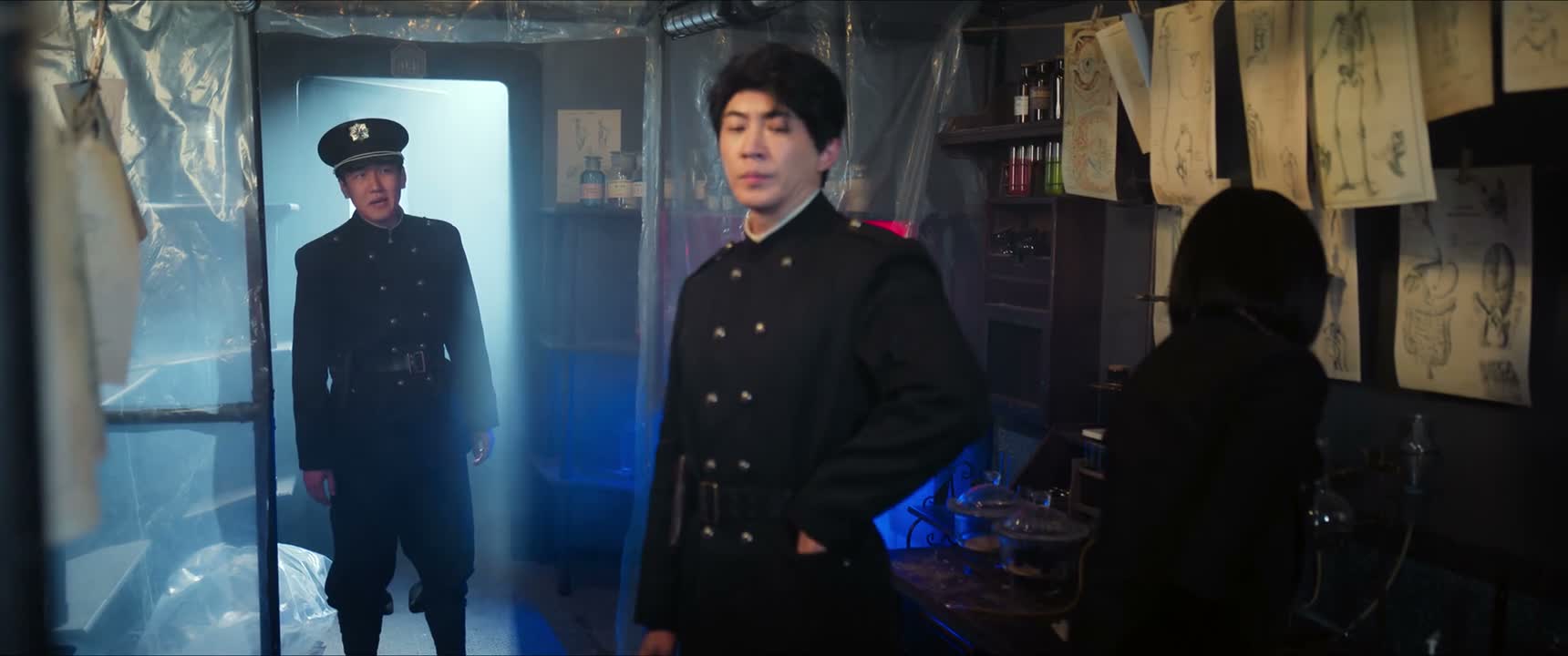
《Love Story in the 1970s》 S1·E4 (40:16) HSK 1
méi shì ba méi shì

没事吧 没事

“Are you okay? I'm fine.”

《Love Story in the 1970s》 S1·E4
TIMECODE: 40:16 · 1080P MASTER AUDIO

THE DIALOGUE REEL

1+1+1 SPOKEN CONTINUITY
[-1] PREVIOUS TURN lái

来

“Here.”

méi shì ba méi shì CURRENT FOCUS

没事吧 没事

“Are you okay? I'm fine.”

[+1] FOLLOW-UP TURN xiè xiè a tóng zhì wǒ zhè ge tuǐ a jiù shāng le zhè tuǐ zhī qián

谢谢啊同志 我这个腿啊 旧伤了 这腿 之前

“Thank you, Comrade. My leg was injured. It was crushed by”

Subtitles synced to millisecond timecode Browse Show Clips →
Scene: Daily Life
Function: INQUIRING AND REASSURING
Tone: CARING
Emotion: CONCERN
WHAT THEY REALLY MEAN (PRAGMATIC SUBTEXT)

Direct spoken expression in this communicative setting.

💡 Cultural Insight: Mutual Assistance (Le Yu Zhu Ren)

In Chinese public spaces, offering a quick helping hand accompanied by 'Are you okay?' reflects everyday social warmth and solidarity among strangers.

INTENT TAGS: #checking_in #reassurance #concern #comforting
🧩

LEARNING CHUNKS & PARTICLES

2 CHUNKS · 1 PARTICLES
没事吧 SPOKEN CHUNK

Are you alright? / Is everything okay?

A highly common spoken check-in when someone trips, drops something, or seems unwell.

没事 SPOKEN CHUNK

It's fine / No problem / Nothing serious

Used both to reassure others that an issue is minor and to reply to apologies or inquiries.

Modal Particle「吧」 (ba) CHANGE OF STATE

Softens the inquiry, seeking gentle confirmation that the other person is not hurt.
🏮

VOCABULARY & EXPRESSIONS

1 EXPR · 0 GRAMMAR
COLLOQUIAL EXPRESSIONS:
CROSS-CINEMA CORPUS BOARD · PARALLEL SCENES

Parallel Spoken Cinema Scenes (语义近邻切片)

EXPLORE BY SEMANTIC SIMILARITY
《Love Story in the 1970s》 S1·E4 (40:16) · Authentic Cinema Dialogue Corpus