MC
MandarinClips Cinema Corpus
《Love Story in the 1970s》 S1·E4 (07:08) HSK 3
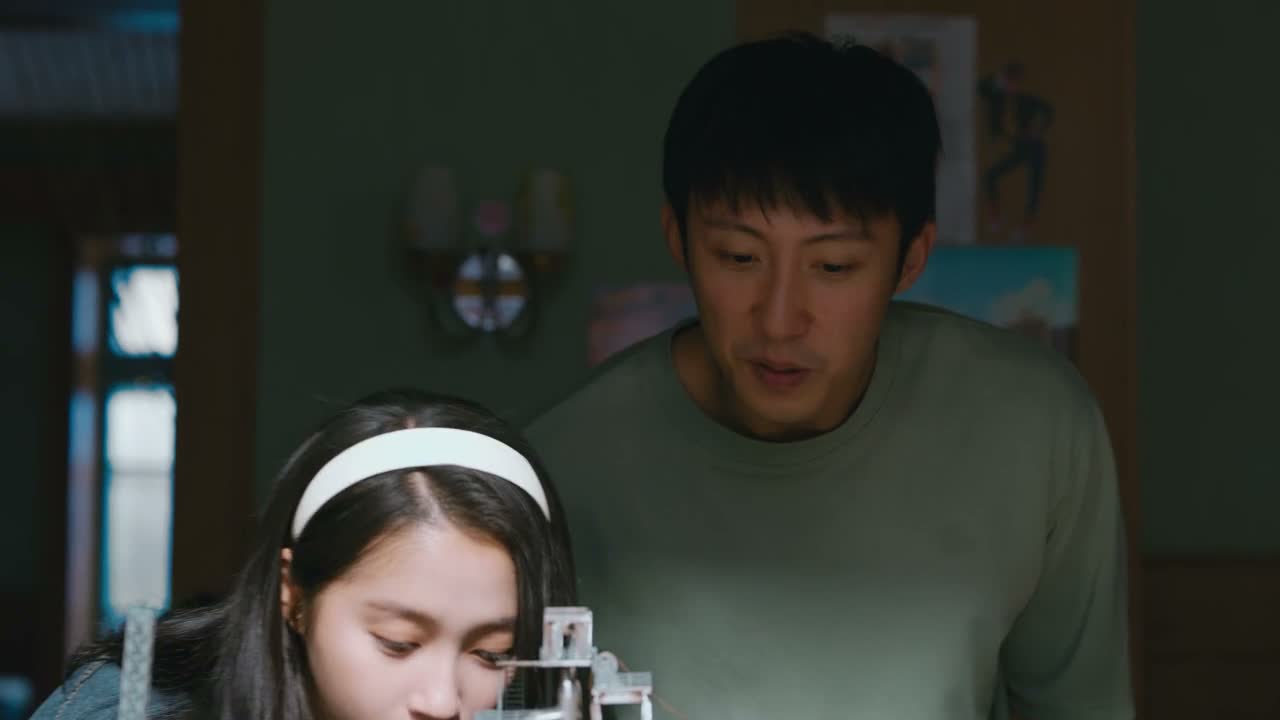
wǒ gēn wǒ gē xiǎo shí hòu zǒng lái zhè wán ér

我跟我哥小时候总来这玩儿

“My brother and I often came here to play as kids.”

《Love Story in the 1970s》 S1·E4
TIMECODE: 07:08 · 1080P MASTER AUDIO

THE DIALOGUE REEL

1+1+1 SPOKEN CONTINUITY
[-1] PREVIOUS TURN hǎo kàn ba hǎo kàn

“Pretty, right? Yeah.”

wǒ gēn wǒ gē xiǎo shí hòu zǒng lái zhè wán ér CURRENT FOCUS

我跟我哥 小时候 总来这玩儿

“My brother and I often came here to play as kids.”

[+1] FOLLOW-UP TURN xīn qíng bù hǎo de shí hòu yě huì lái

心情不好的时候也会来

“I still come here when I feel down.”

Subtitles synced to millisecond timecode Browse Show Clips →
Scene: Social & Dating
Function: SHARING PERSONAL HISTORY
Tone: REMINISCENT
Emotion: NOSTALGIA
WHAT THEY REALLY MEAN (PRAGMATIC SUBTEXT)
“This place means a lot to me, and bringing you here shows how close I want us to be.”
💡 Cultural Insight: Emotional Bonding via Shared Spaces

In Chinese dating culture, bringing a partner to a childhood spot or emotional sanctuary signals a transition from casual acquaintance to serious emotional intimacy.

INTENT TAGS: #reminiscing #building_rapport #emotional_disclosure #nostalgia
🧩

LEARNING CHUNKS & PARTICLES

3 CHUNKS · 0 PARTICLES
小时候 SPOKEN CHUNK

in childhood / when one was little

A highly common spoken time phrase used to introduce personal reminiscing about early life.

总来 SPOKEN CHUNK

always come / frequently visit

Spoken abbreviation of 总 (always) + 来 (come), indicating high-frequency habitual visits.

这玩儿 SPOKEN CHUNK

play here / hang out here

Northern colloquial combination of 这 (here) and the retroflexed verb 玩儿 (to hang out or play).
🏮

VOCABULARY & EXPRESSIONS

1 EXPR · 0 GRAMMAR
COLLOQUIAL EXPRESSIONS:
CROSS-CINEMA CORPUS BOARD · PARALLEL SCENES

Parallel Spoken Cinema Scenes (语义近邻切片)

EXPLORE BY SEMANTIC SIMILARITY
《Love Story in the 1970s》 S1·E4 (07:08) · Authentic Cinema Dialogue Corpus