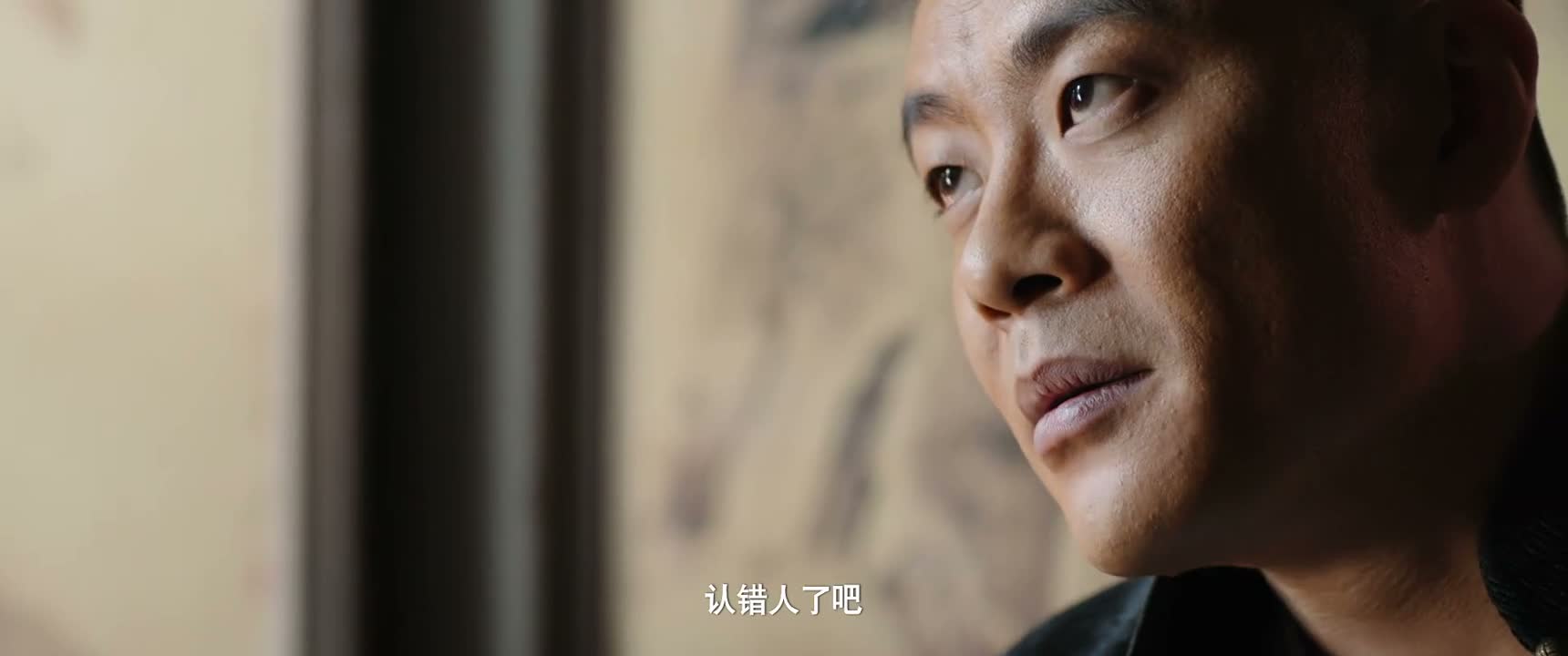
您认错人了吧 真的很像
“You must have mistaken her for someone else. She looked just like your mother—”
THE DIALOGUE REEL
怎么可能呢
“That's impossible.”
您 认错人了 吧 真的很 像
“You must have mistaken her for someone else. She looked just like your mother—”
连声音都一样
“even her voice was the same.”
“You definitely have the wrong person, even if I look familiar, so please stop staring.”
Using the polite honorific '您' and hedging with '吧' allows the speaker to correct a stranger's mistake without making them feel foolish.
LEARNING CHUNKS & PARTICLES
mistook someone for another person
The standard set phrase to inform someone that they have misidentified you.
really very similar / looks very alike
Used to validate the other person's confusion by admitting a strong visual resemblance.
Softens the assertion into a polite conjecture, giving the listener an easy way to save face.