MC
MandarinClips Cinema Corpus
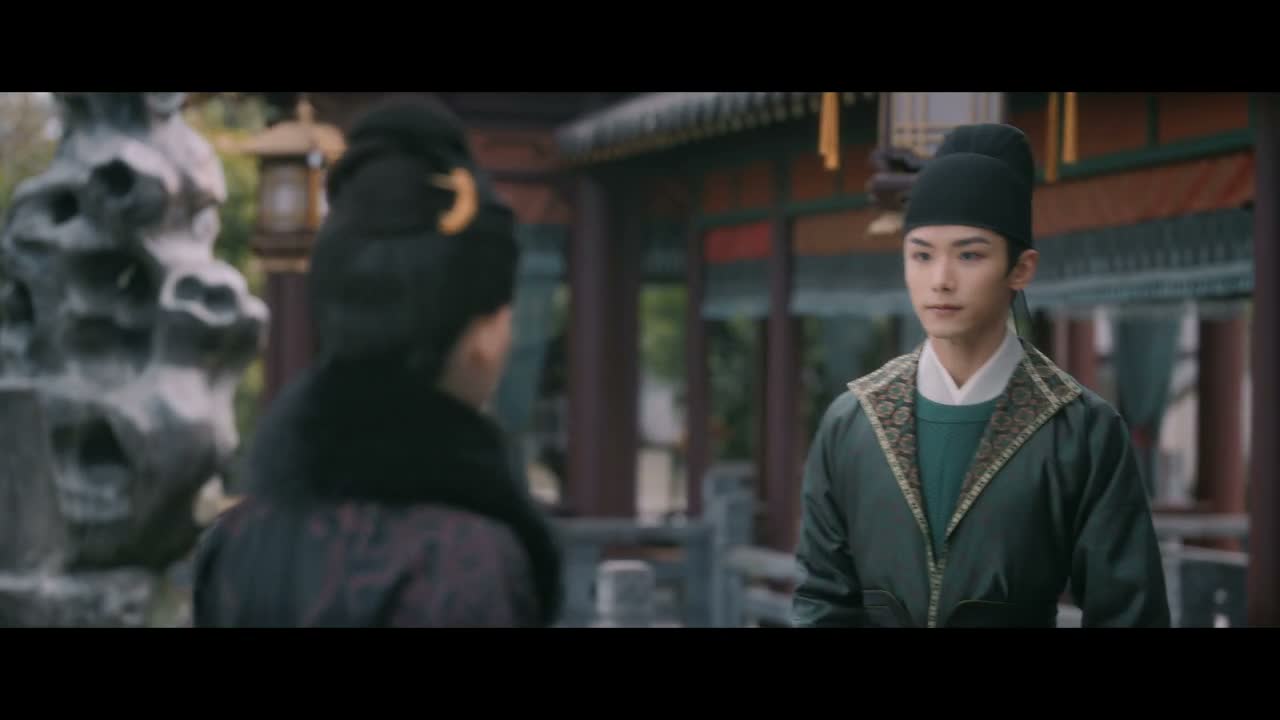
《The Truth》 S1·E24 (14:39) HSK 1
yī shēng zěn me yàng le méi shén me dà ài yī shēng yī shēng

医生 怎么样了 没什么大碍 医生 医生

“Doctor, how is he? Nothing too serious. Doctor, doctor.”

《The Truth》 S1·E24
TIMECODE: 14:39 · 1080P MASTER AUDIO

THE DIALOGUE REEL

1+1+1 SPOKEN CONTINUITY
[-1] PREVIOUS TURN yī shēng chū lái le

医生出来了

“The doctor's here.”

yī shēng zěn me yàng le méi shén me dà ài yī shēng yī shēng CURRENT FOCUS

医生 怎么样了 没什么大碍 医生 医生

“Doctor, how is he? Nothing too serious. Doctor, doctor.”

[+1] FOLLOW-UP TURN lái

来

“Come on.”

Subtitles synced to millisecond timecode Browse Show Clips →
Scene: Medical & Health
Function: INQUIRING STATUS
Tone: PLEADING
Emotion: ANXIETY
WHAT THEY REALLY MEAN (PRAGMATIC SUBTEXT)
“Please tell me they are okay; I cannot handle bad news right now.”
💡 Cultural Insight: Seeking Reassurance from Authority (求心安)

In Chinese clinical encounters, anxious relatives frequently preempt the doctor's diagnosis with optimistic questions like '没什么大碍' (it's nothing serious, right?) to seek emotional comfort and ward off bad luck.

INTENT TAGS: #inquiry #pleading #seeking_reassurance #anxious_prompt
🧩

LEARNING CHUNKS & PARTICLES

2 CHUNKS · 1 PARTICLES
怎么样了 SPOKEN CHUNK

how are things? / what is the status?

A versatile spoken phrase used to ask about an ongoing situation, condition, or progress.

没什么大碍 SPOKEN CHUNK

nothing serious / no major problem

A common medical/health idiom indicating that an injury or illness is not life-threatening or dangerous.

Modal Particle「了」 (le) CHANGE OF STATE

In '怎么样了', it denotes a current updated state, focusing inquiry on the latest outcome of the treatment.

🏮

VOCABULARY & EXPRESSIONS

2 EXPR · 0 GRAMMAR
CROSS-CINEMA CORPUS BOARD · PARALLEL SCENES

Parallel Spoken Cinema Scenes (语义近邻切片)

EXPLORE BY SEMANTIC SIMILARITY
《The Truth》 S1·E24 (14:39) · Authentic Cinema Dialogue Corpus