你看我这脖子 我这脸 我这手
“Look at my neck, my face, and my hand.”
THE DIALOGUE REEL
“It's because you've been too good to me, and I trusted you like an idiot.”
你看 我这脖子 我这脸 我这手
“Look at my neck, my face, and my hand.”
“Alright, just tell me what we're looking for. I'll help you.”
“Look at the terrible shape I am in because of this, stop making light of it!”
Pointing out bodily fatigue or physical distress is a common conversational gambit in Chinese to show effort, justify difficulty, or deflect blame.
LEARNING CHUNKS & PARTICLES
look at my...
A highly colloquial pattern used to draw someone's attention directly to physical evidence, injuries, or mess while lodging a complaint.
VOCABULARY & EXPRESSIONS
Parallel Spoken Cinema Scenes (语义近邻切片)
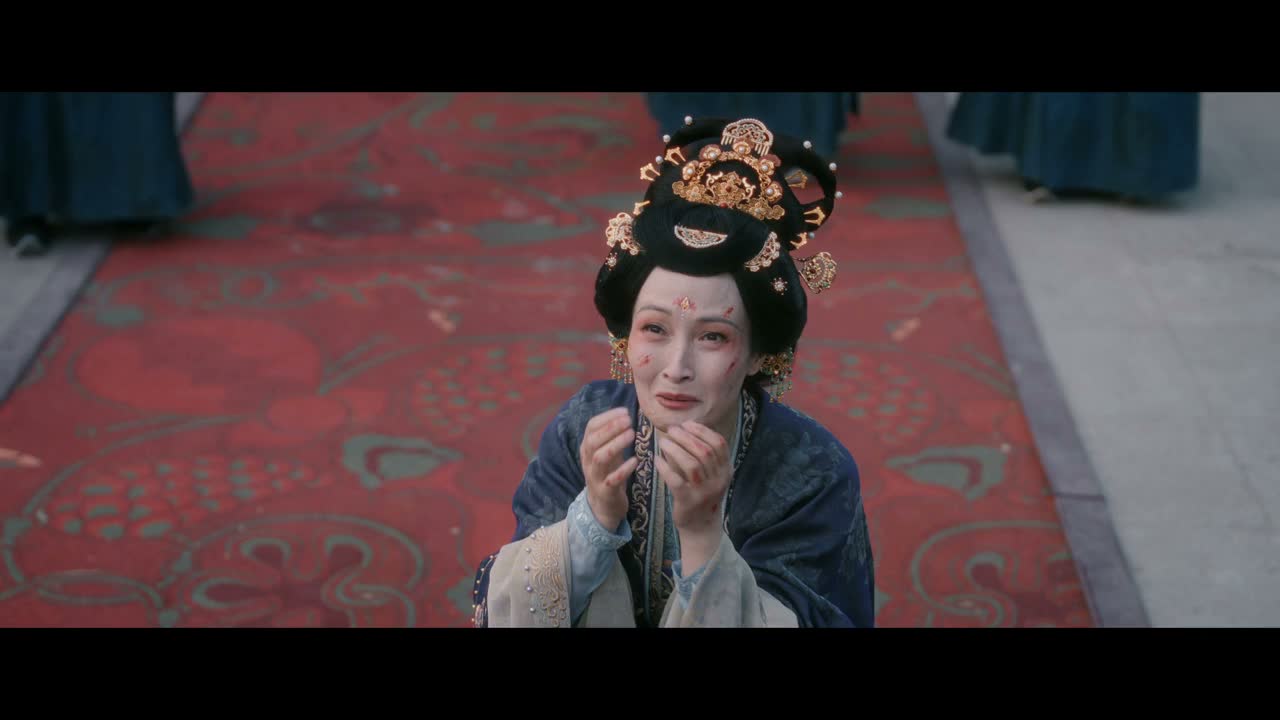
“My face… - You… - My face…”

“Put your right hand behind your neck.”

“Get the back of my neck. - It's all sweaty. - Don't move.”
“I like your palm.”

“He was choking me so hard I could barely breathe. Only then did I fight back.”
“Look at my memory.”