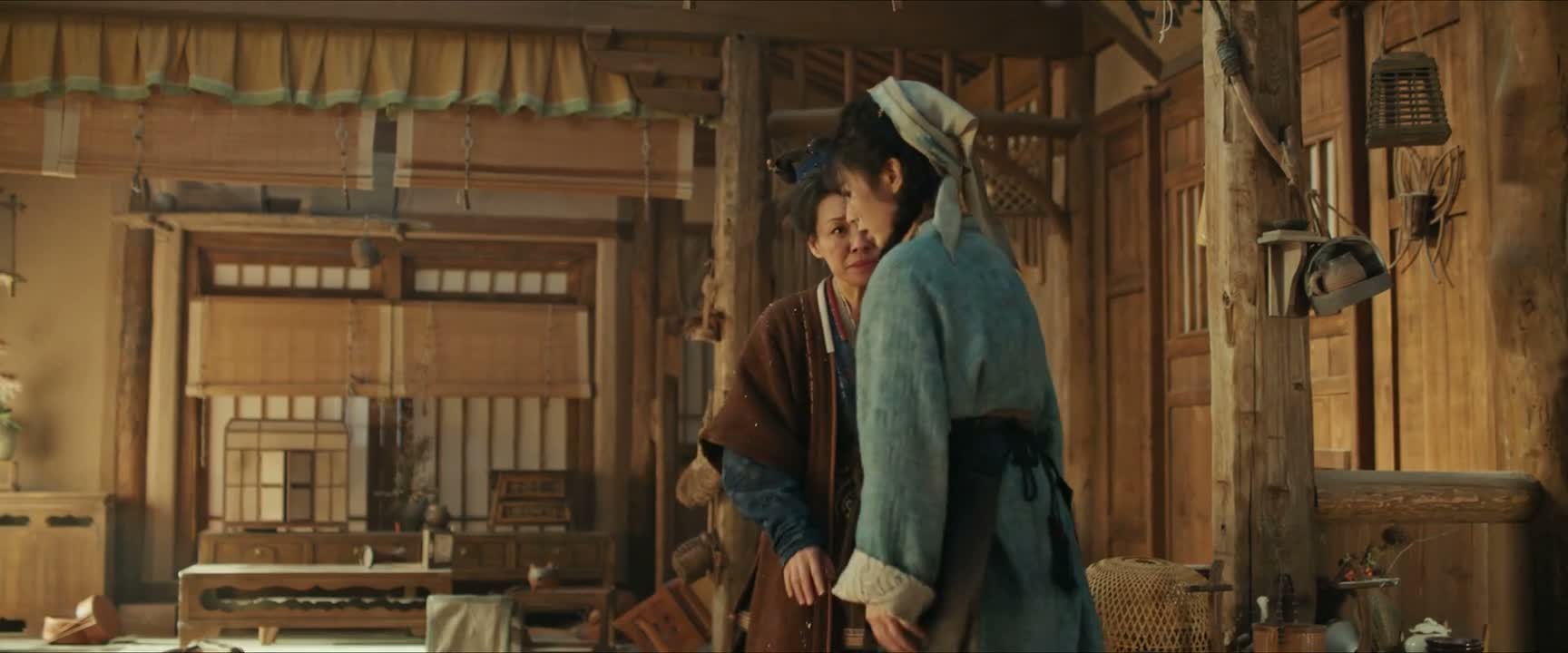
《How Dare You!?》 S1·E10 (14:44)
HSK 5
kě nǐ men yǒu shuí wèn guò tā yuàn bù yuàn yì
可你们有谁问过它愿不愿意
“But has anyone ever asked if it was willing?”
《How Dare You!?》
S1·E10
TIMECODE: 14:44
·
1080P MASTER AUDIO
THE DIALOGUE REEL
[-1] PREVIOUS TURN
nǐ men suí biàn dòng yī dòng shǒu zhǐ jiù néng jué dìng tā de shēng sǐ
“With a flick of your fingers, you decide whether it lives or dies.”
kě nǐ men yǒu shuí wèn guò tā yuàn bù yuàn yì
CURRENT FOCUS
可你们有谁问过它 愿不愿意
“But has anyone ever asked if it was willing?”
[+1] FOLLOW-UP TURN
huò xǔ sǐ wáng jiù shì tā zài kàng yì
或许死亡就是它在抗议
“Maybe death is its way of protesting.”
Subtitles synced to millisecond timecode
Browse Show Clips →
Scene:
Crisis & Conflict
Function:
RHETORICAL ACCUSATION
Tone:
ACCUSATORY
Emotion:
INDIGNATION
WHAT THEY REALLY MEAN (PRAGMATIC SUBTEXT)
“None of you care about its feelings—you only care about exerting your own power.”
💡 Cultural Insight: Moral Condemnation of Arrogant Authority
In Chinese narrative ethics, ignoring the dignity and agency of weaker beings highlights the moral corruption of dominant figures.
INTENT TAGS:
#accusation
#challenging_authority
#advocacy
#moral_protest
🧩
2 CHUNKS · 0 PARTICLES
LEARNING CHUNKS & PARTICLES
有谁问过
SPOKEN CHUNK
has anyone ever asked
A rhetorical device used to highlight that absolutely no one took the trouble to consult or consider another.
愿不愿意
SPOKEN CHUNK
willing or not
An affirmative-negative question form used as an embedded clause to refer to consent or personal desire.
🏮
1 EXPR · 0 GRAMMAR
VOCABULARY & EXPRESSIONS
COLLOQUIAL EXPRESSIONS:
CROSS-CINEMA CORPUS BOARD · PARALLEL SCENES
EXPLORE BY SEMANTIC SIMILARITY
Parallel Spoken Cinema Scenes (语义近邻切片)
《How Dare You!?》 S1·E10 (14:44) · Authentic Cinema Dialogue Corpus