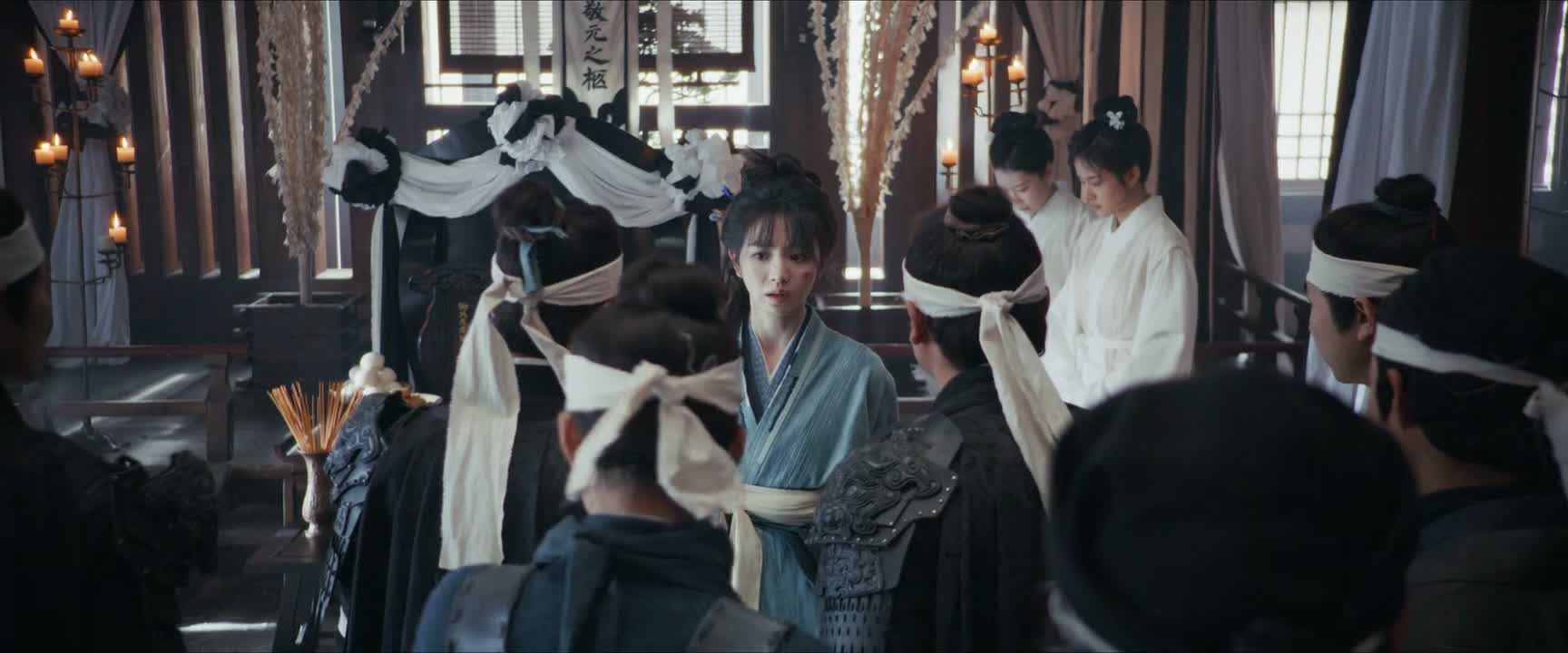
《Pursuit of Jade》 S1·E31 (02:08)
HSK 5
kě nǐ wèi shén me tì wèi qí lín
可你为什么替魏祁林
“But why are you speaking up for Wei Qilin,”
《Pursuit of Jade》
S1·E31
TIMECODE: 02:08
·
1080P MASTER AUDIO
THE DIALOGUE REEL
[-1] PREVIOUS TURN
bù wèi shēng sǐ shā sǐ zhǎng xìn wáng
“fearlessly killed Lord Changxin.”
kě nǐ wèi shén me tì wèi qí lín
CURRENT FOCUS
可你 为什么 替魏祁林
“But why are you speaking up for Wei Qilin,”
[+1] FOLLOW-UP TURN
zhè ge dà pàn tú shuō huà
这个大叛徒说话
“that traitor?”
Subtitles synced to millisecond timecode
Browse Show Clips →
Scene:
Crisis & Conflict
Function:
DEMANDING EXPLANATION
Tone:
CONFRONTATIONAL
Emotion:
SUSPICION
WHAT THEY REALLY MEAN (PRAGMATIC SUBTEXT)
“Whose side are you really on, and why are you shielding a traitor?”
💡 Cultural Insight: Allegiance and Guilt by Association (立场与连坐)
In Chinese political culture, defending someone labeled a traitor often implicates the speaker as sharing their treasonous agenda, raising immediate suspicion of divided loyalty.
INTENT TAGS:
#interrogation
#suspicion
#demanding_explanation
#challenging
🧩
1 CHUNKS · 0 PARTICLES
LEARNING CHUNKS & PARTICLES
替……说话
SPOKEN CHUNK
to speak up for; to defend someone
Standard pattern used to indicate taking someone's side or defending their actions in conversation.
🏮
1 EXPR · 0 GRAMMAR
VOCABULARY & EXPRESSIONS
COLLOQUIAL EXPRESSIONS:
CROSS-CINEMA CORPUS BOARD · PARALLEL SCENES
EXPLORE BY SEMANTIC SIMILARITY
Parallel Spoken Cinema Scenes (语义近邻切片)

《Pursuit of Jade》 S1·E31 (02:08) · Authentic Cinema Dialogue Corpus