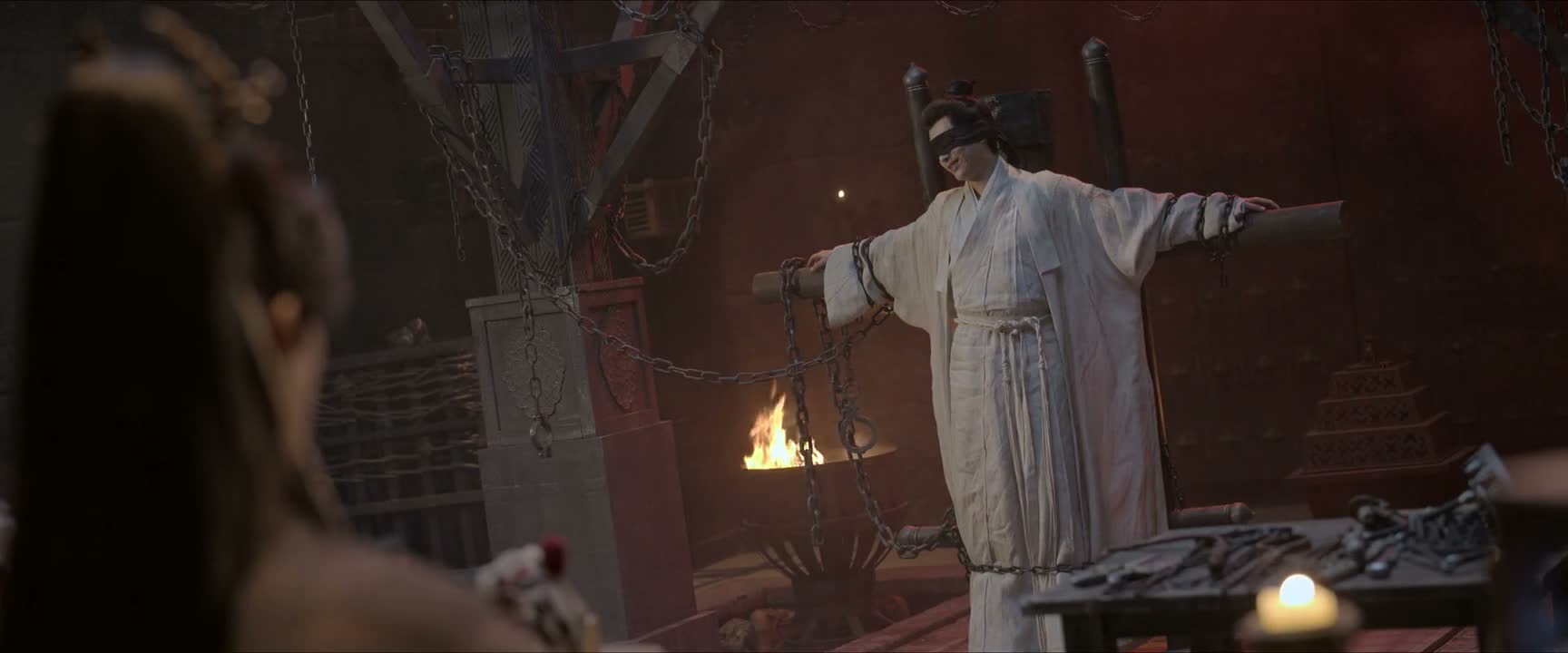
《The First Jasmine》 S1·E11 (36:15)
HSK 1
nǎ hái huì yǒu jīn tiān
哪还会有今天
“How could I end up like this today?”
《The First Jasmine》
S1·E11
TIMECODE: 36:15
·
1080P MASTER AUDIO
THE DIALOGUE REEL
[-1] PREVIOUS TURN
chū jiàng rù xiàng le
出将入相了
“I'd have passed the imperial exams and become a minister.”
nǎ hái huì yǒu jīn tiān
CURRENT FOCUS
哪还会有今天
“How could I end up like this today?”
[+1] FOLLOW-UP TURN
shuí a
谁啊
“Who is it?”
Subtitles synced to millisecond timecode
Browse Show Clips →
Scene:
Daily Life
Function:
EMPHASIZING CONSEQUENCE
Tone:
ASSERTIVE
Emotion:
CONVICTION
WHAT THEY REALLY MEAN (PRAGMATIC SUBTEXT)
“We never would have achieved this success otherwise.”
💡 Cultural Insight: Gratitude for Present Fortune (饮水思源)
Reflecting on 'how today came to be' often underlines a cultural consciousness of tracing success back to pivotal turning points or patrons who made one's high standing possible.
INTENT TAGS:
#rhetorical_question
#emphasis
#assertion
#reflection
🧩
1 CHUNKS · 0 PARTICLES
LEARNING CHUNKS & PARTICLES
哪还会有今天
SPOKEN CHUNK
how could today's success ever have happened?
A very common rhetorical phrase used to emphasize that one's current fortunate situation is entirely owed to a past effort, stroke of luck, or benefactor.
🏮
1 EXPR · 0 GRAMMAR
VOCABULARY & EXPRESSIONS
COLLOQUIAL EXPRESSIONS:
CROSS-CINEMA CORPUS BOARD · PARALLEL SCENES
EXPLORE BY SEMANTIC SIMILARITY
Parallel Spoken Cinema Scenes (语义近邻切片)


《The First Jasmine》 S1·E11 (36:15) · Authentic Cinema Dialogue Corpus