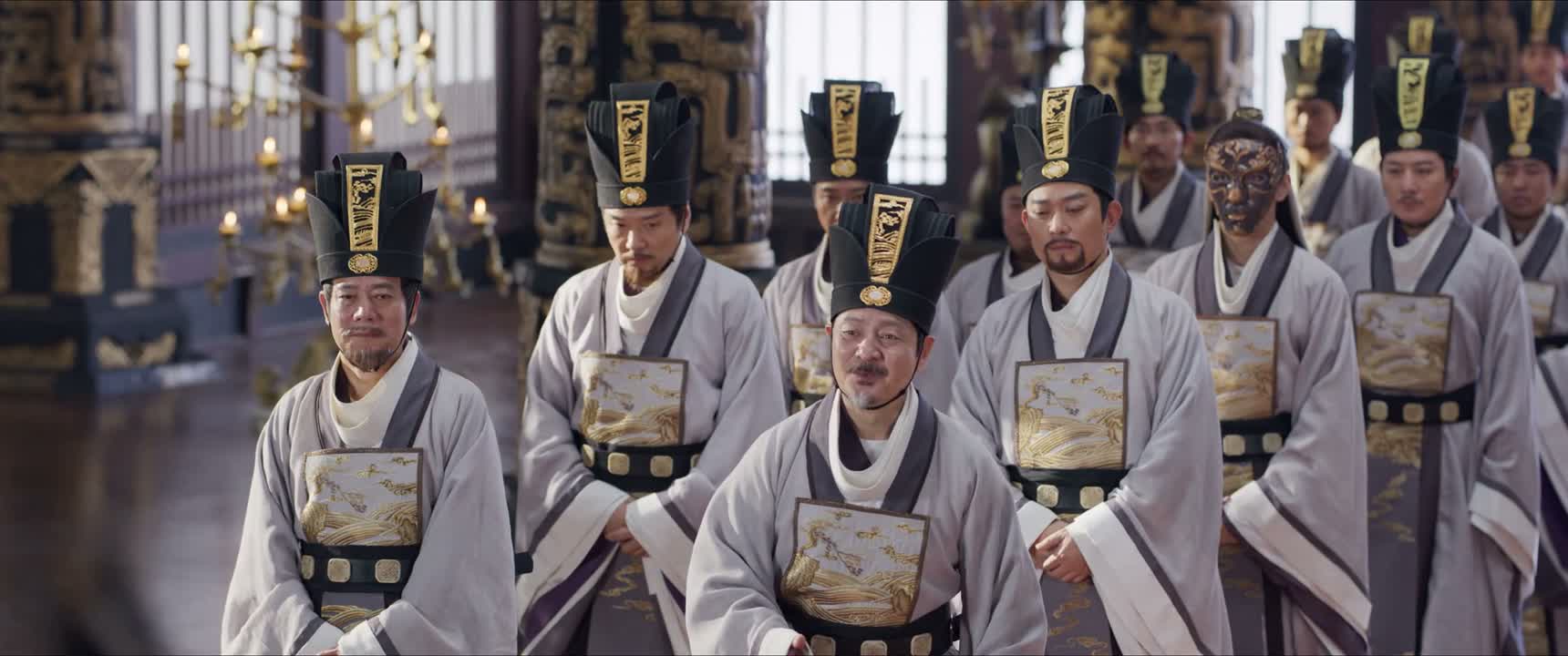
他呢 是心里有鬼 被恐惧吓破了胆
“He was guilty and scared out of his mind.”
THE DIALOGUE REEL
也不会影响公安的判断
“it wouldn't affect your judgment.”
他呢 是 心里有鬼 被恐惧 吓破了胆
“He was guilty and scared out of his mind.”
“Later, we went to Dahe Village to get more information from Xia Changzheng,”
Direct spoken expression in this communicative setting.
Traditional Chinese culture views moral guilt as an internal disruptive demon ('ghost'), which inevitably betrays itself through abnormal demeanor and physiological fear.
LEARNING CHUNKS & PARTICLES
to have a guilty conscience; harboring an uneasy secret
Frequently used to describe someone acting erratically or suspiciously because they have committed a wrongful act.
scared out of one's wits; terrified to death
A vivid figurative idiom used in spoken Chinese to convey paralyzing terror or extreme cowardice.
Pauses the topic to contrast or single out this specific individual for analysis.
Marks the completion and extreme degree of the state of terror.