MC
MandarinClips Cinema Corpus
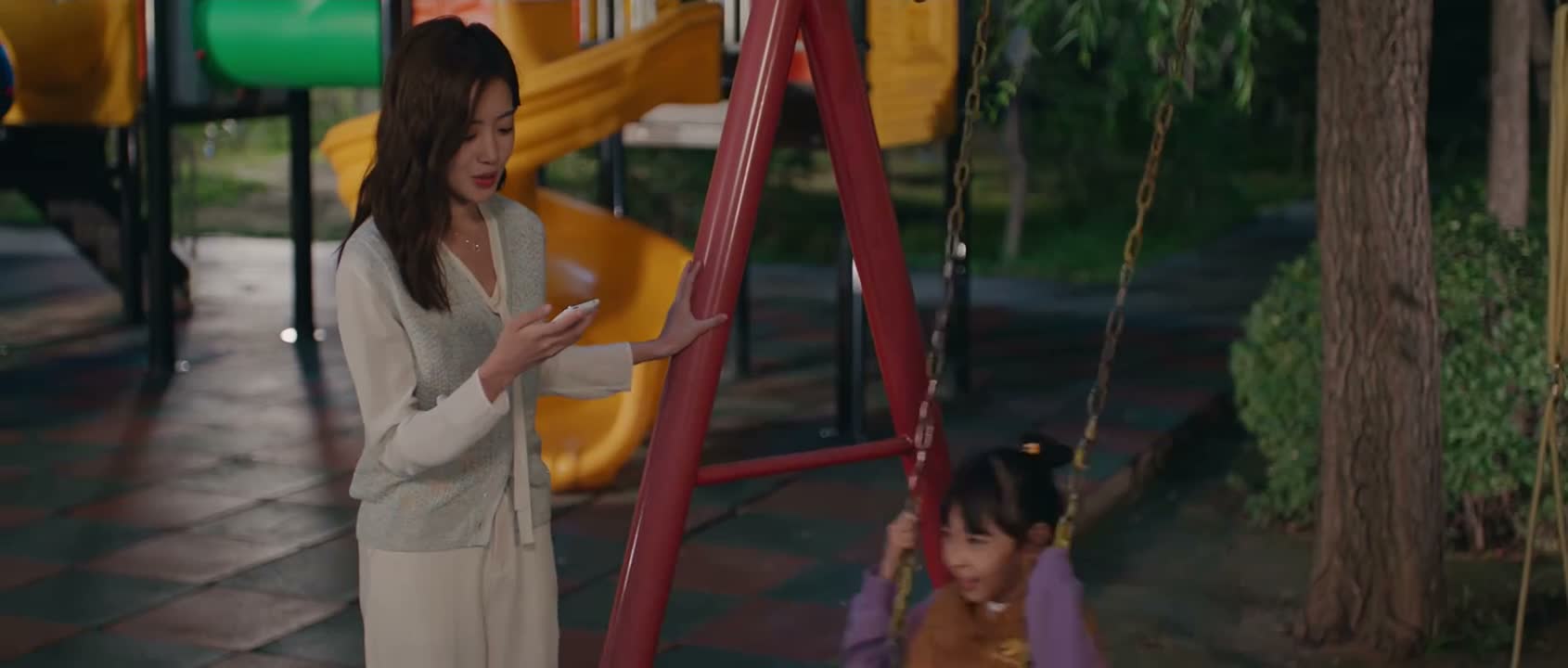
《The Truth》 S1·E16 (26:25) HSK 2
nà nǐ zì jǐ wán a qù wán ba

那你自己玩啊 去玩吧

“Then entertain yourself. Go have fun.”

《The Truth》 S1·E16
TIMECODE: 26:25 · 1080P MASTER AUDIO

THE DIALOGUE REEL

1+1+1 SPOKEN CONTINUITY
[-1] PREVIOUS TURN nǐ shǎo hē diǎn duì shēn tǐ bù hǎo

你少喝点 对身体不好

“Drink less. It's bad for you.”

nà nǐ zì jǐ wán a qù wán ba CURRENT FOCUS

那 你自己 玩啊 去玩吧

“Then entertain yourself. Go have fun.”

[+1] FOLLOW-UP TURN méi jìn

没劲

“How lame.”

Subtitles synced to millisecond timecode Browse Show Clips →
Scene: Social & Dating
Function: DEFLECTING ADVICE
Tone: DISMISSIVE
Emotion: ANNOYANCE
WHAT THEY REALLY MEAN (PRAGMATIC SUBTEXT)
“Stop nagging me about my drinking and mind your own business.”
💡 Cultural Insight: Resistance to Caretaking Nagging

In Chinese relationships, showing concern often manifests as dietary or health reminders; pushing back with blunt dismissal signals irritation at perceived micromanagement.

INTENT TAGS: #dismissal #deflection #brushing_off #impatience
🧩

LEARNING CHUNKS & PARTICLES

2 CHUNKS · 2 PARTICLES
你自己玩 SPOKEN CHUNK

go have fun by yourself; amuse yourself

Can be friendly when offering autonomy, but becomes dismissive when used to brush someone off.

去玩吧 SPOKEN CHUNK

go and play; go have fun

A colloquial phrase used either to encourage children/friends to enjoy themselves or to dismiss someone's presence.

Modal Particle「啊」 (a) CHANGE OF STATE

Emphasizes the speaker's impatience and intent to push the listener away.

Modal Particle「吧」 (ba) CHANGE OF STATE

Frames the dismissal as an imperative suggestion to leave.
🏮

VOCABULARY & EXPRESSIONS

1 EXPR · 0 GRAMMAR
COLLOQUIAL EXPRESSIONS:
CROSS-CINEMA CORPUS BOARD · PARALLEL SCENES

Parallel Spoken Cinema Scenes (语义近邻切片)

EXPLORE BY SEMANTIC SIMILARITY
《The Truth》 S1·E16 (26:25) · Authentic Cinema Dialogue Corpus