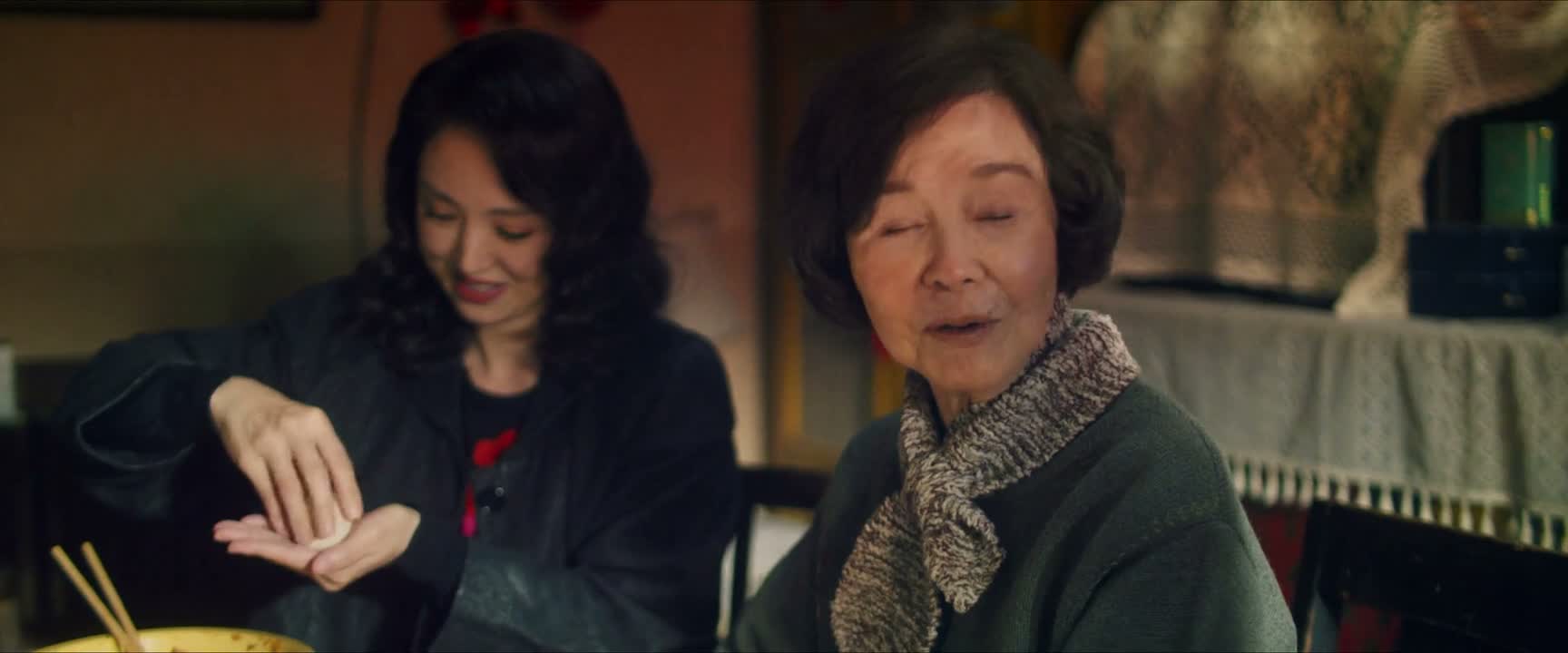
《Born with Luck》 S1·E8 (03:14)
HSK 4
nǐ wǎng wǒ tóu shàng dài mào zi
你往我头上戴帽子
“and you stab me in the back?”
《Born with Luck》
S1·E8
TIMECODE: 03:14
·
1080P MASTER AUDIO
THE DIALOGUE REEL
[-1] PREVIOUS TURN
wǒ bǎ nǐ dāng hǎo dà gē
我把你当好大哥
“I treated you like a good brother,”
nǐ wǎng wǒ tóu shàng dài mào zi
CURRENT FOCUS
你往我头上戴帽子
“and you stab me in the back?”
[+1] FOLLOW-UP TURN
tài qī fù rén le
太欺负人了
“This is too much. [report letter]”
Subtitles synced to millisecond timecode
Browse Show Clips →
Scene:
Crisis & Conflict
Function:
ACCUSING
Tone:
CONFRONTATIONAL
Emotion:
ANGER
WHAT THEY REALLY MEAN (PRAGMATIC SUBTEXT)
“How dare you frame me and pin that awful accusation on my name!”
💡 Cultural Insight: Political and Social Labeling (扣帽子 / 戴帽子)
Originating from historical political campaigns, 'putting a hat on someone' metaphorically means arbitrarily sticking a derogatory label or false guilt onto an innocent person.
INTENT TAGS:
#accusation
#indignation
#protest
#defensiveness
🧩
2 CHUNKS · 0 PARTICLES
LEARNING CHUNKS & PARTICLES
戴帽子
SPOKEN CHUNK
to label someone; to frame or pin a bad reputation on someone
A vivid colloquial idiom meaning to unjustly brand or accuse someone with a negative label.
往头上
SPOKEN CHUNK
onto one's head; targeting someone directly
Used with directional preposition 'wang' to describe projecting blame or actions onto a specific person.
CROSS-CINEMA CORPUS BOARD · PARALLEL SCENES
EXPLORE BY SEMANTIC SIMILARITY
Parallel Spoken Cinema Scenes (语义近邻切片)

《Born with Luck》 S1·E8 (03:14) · Authentic Cinema Dialogue Corpus