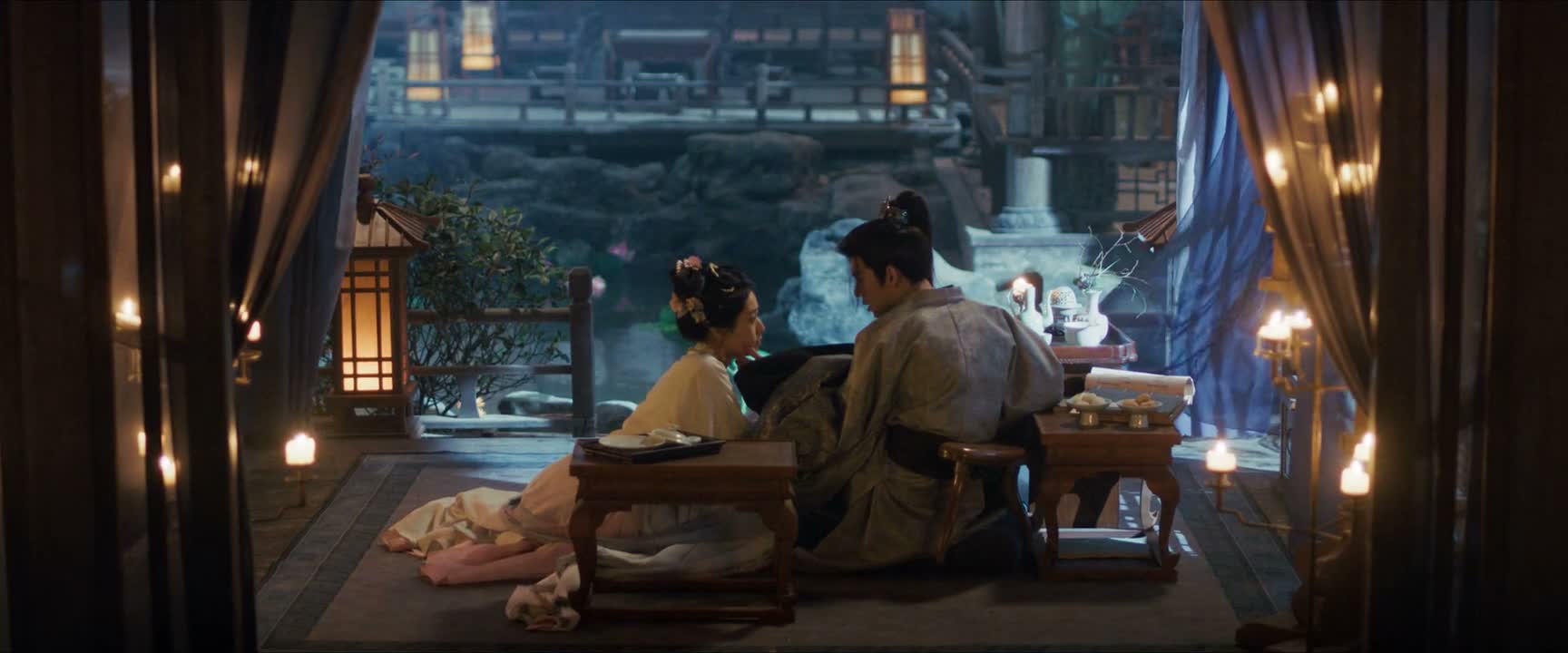
《The First Jasmine》 S1·E39 (32:40)
HSK 6
wèi hé nǐ jīng cháng huì bào qǐ zhè pén huā ya
为何 你经常会抱起这盆花呀
“Why do you often watch this pot of flowers?”
《The First Jasmine》
S1·E39
TIMECODE: 32:40
·
1080P MASTER AUDIO
THE DIALOGUE REEL
wèi hé nǐ jīng cháng huì bào qǐ zhè pén huā ya
CURRENT FOCUS
为何 你 经常会 抱起这盆花呀
“Why do you often watch this pot of flowers?”
[+1] FOLLOW-UP TURN
wǒ xǐ huān tā
我喜欢它
“I like it.”
Subtitles synced to millisecond timecode
Browse Show Clips →
Scene:
Daily Life
Function:
INQUIRING CURIOSITY
Tone:
GENTLE
Emotion:
CURIOSITY
WHAT THEY REALLY MEAN (PRAGMATIC SUBTEXT)
“You are clearly distracted by something; why are you fixating on this flower?”
💡 Cultural Insight: Indirect Inquiry
Rather than directly asking about emotional troubles, Chinese speakers often point to an unusual external behavior to prompt the other person to open up.
INTENT TAGS:
#probing
#curiosity
#gentle_inquiry
#noticing_distraction
🧩
2 CHUNKS · 1 PARTICLES
LEARNING CHUNKS & PARTICLES
心不在焉
SPOKEN CHUNK
absent-minded; preoccupied
A common four-character idiom used to describe someone whose mind is wandering elsewhere.
为何
SPOKEN CHUNK
why
A slightly formal or literary alternative to '为什么', often heard in period dramas or reflective speech.
Modal Particle「呀」 (ya)
CHANGE OF STATE
Softens the question, conveying gentle curiosity rather than an interrogation.
🏮
2 EXPR · 0 GRAMMAR
VOCABULARY & EXPRESSIONS
COLLOQUIAL EXPRESSIONS:
CROSS-CINEMA CORPUS BOARD · PARALLEL SCENES
EXPLORE BY SEMANTIC SIMILARITY
Parallel Spoken Cinema Scenes (语义近邻切片)
《The First Jasmine》 S1·E39 (32:40) · Authentic Cinema Dialogue Corpus