《Ashes to Crown》 S1·E13 (29:02)
HSK 2
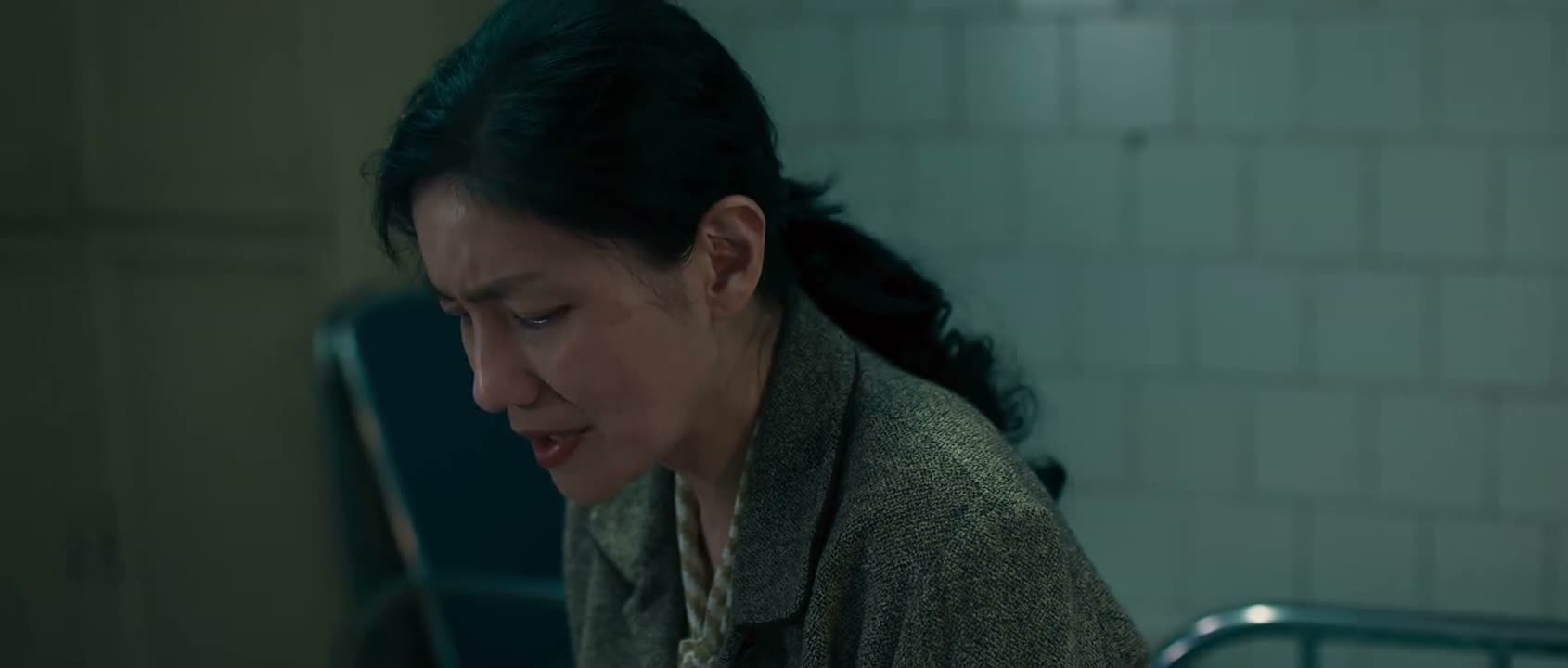
nǐ zhī dào wǒ wèi shén me bù gǎn bì yǎn ma ?
你知道我为什么不敢闭眼吗?
“Do you know why I can't close my eyes?”
《Ashes to Crown》
S1·E13
TIMECODE: 29:02
·
1080P MASTER AUDIO
THE DIALOGUE REEL
[-1] PREVIOUS TURN
nǐ jiù kāi xīn le shì ma ?
你就开心了 是吗?
“does it make you happy when you crush my composure?”
nǐ zhī dào wǒ wèi shén me bù gǎn bì yǎn ma ?
CURRENT FOCUS
你知道 我 为什么不敢闭眼 吗?
“Do you know why I can't close my eyes?”
[+1] FOLLOW-UP TURN
yīn wèi wǒ yī bì yǎn
因为我一闭眼
“Because when I close my eyes,”
Subtitles synced to millisecond timecode
Browse Show Clips →
Scene:
Crisis & Conflict
Function:
RHETORICAL QUESTION
Tone:
ACCUSING
Emotion:
FEAR
WHAT THEY REALLY MEAN (PRAGMATIC SUBTEXT)
“You think I have peace, but I am utterly tormented by what happened.”
💡 Cultural Insight: Emotional Confrontation (宣泄与质问)
In Chinese dramatic dialogues, rhetorical questions about inability to sleep or close one's eyes are classic devices to reveal profound moral trauma or paranoia.
INTENT TAGS:
#confrontation
#guilt_tripping
#vulnerability
#emotional_outburst
🧩
1 CHUNKS · 1 PARTICLES
LEARNING CHUNKS & PARTICLES
为什么不敢闭眼
SPOKEN CHUNK
why I dare not close my eyes
Commonly used in dramatic narratives to describe severe nightmares, guilt, or intense paranoia.
Modal Particle「吗」 (ma)
CHANGE OF STATE
Marks a standard yes-no question structure used here rhetorically to grab the listener's focus.
🏮
2 EXPR · 0 GRAMMAR
VOCABULARY & EXPRESSIONS
COLLOQUIAL EXPRESSIONS:
CROSS-CINEMA CORPUS BOARD · PARALLEL SCENES
EXPLORE BY SEMANTIC SIMILARITY
Parallel Spoken Cinema Scenes (语义近邻切片)
《Ashes to Crown》 S1·E13 (29:02) · Authentic Cinema Dialogue Corpus