还望圣上疼惜我无父无母
“I only ask Your Majesty to take pity on me”
THE DIALOGUE REEL
佩仪便告退了
“I will take my leave.”
还望圣上疼惜我 无父无母
“I only ask Your Majesty to take pity on me”
准我在家中设宴 宴请宾客 以谢天恩
“and allow me to host a banquet at my residence to entertain guests and give thanks for Your grace!”
“Remember that I am a defenseless orphan dependent on your royal grace, so please grant my upcoming request.”
Subordinates or family members in imperial China often highlighted their orphanhood or helplessness to evoke Confucian paternal benevolence from the ruler, framing grants as acts of moral virtue.
LEARNING CHUNKS & PARTICLES
I earnestly hope that; may it please you to
A respectful formula used when petitioning a superior or patron for grace or assistance.
to dote on and cherish; to treat with loving pity
Expresses protective, nurturing affection, often used when an elder or powerful figure cares for a vulnerable person.
orphaned; having neither father nor mother
A traditional four-character idiom emphasizing utter lack of family protection and vulnerability.
VOCABULARY & EXPRESSIONS
Parallel Spoken Cinema Scenes (语义近邻切片)

“It seems we can no longer rely on His Majesty.”
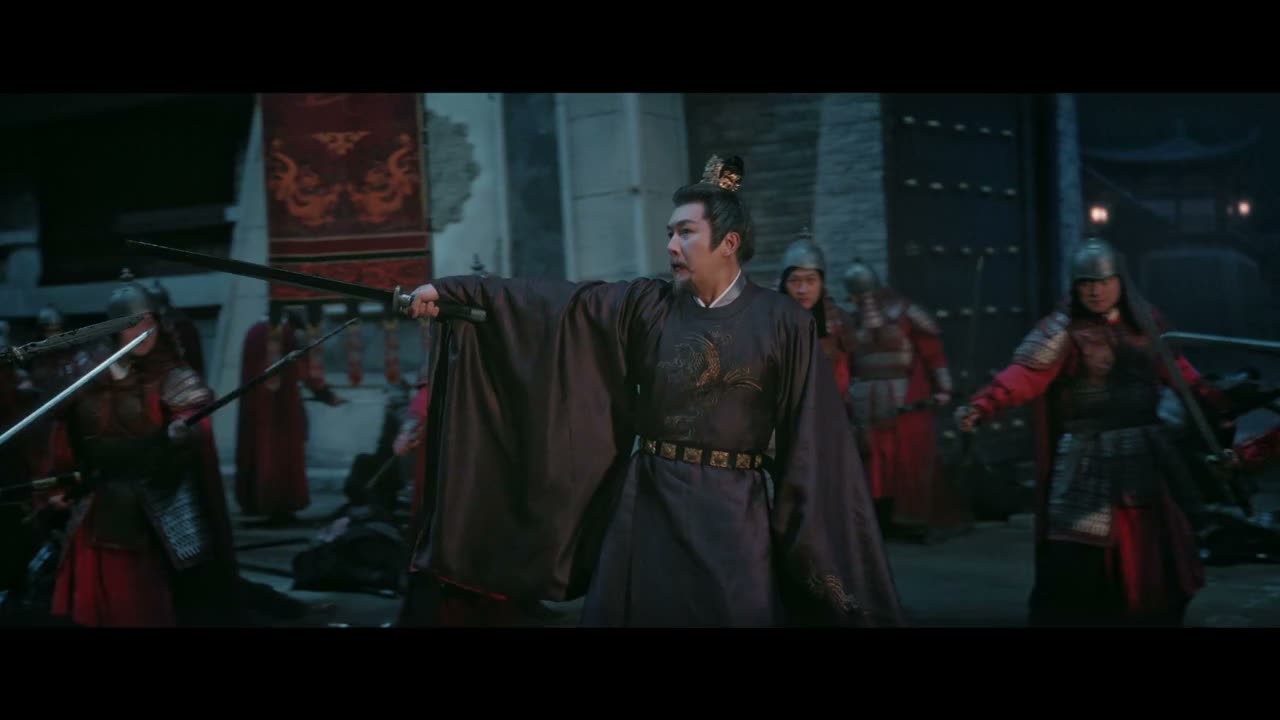
“I want to see His Majesty.”

“You underestimate His Majesty,”

“If His Majesty thinks I'm unworthy,”

“I fear His Majesty won't tolerate the presence of my father and me.”

“She just never had the chance to ease Your Majesty's burden.”