怎么说的呀这是
“You're asking for trouble.”
THE DIALOGUE REEL
“You should've enjoyed the meal. Why bring up old matters?”
怎么说的呀这是
“You're asking for trouble.”
这就是你们这十余日吃的东西? 是
“So this is what you've been eating for the past ten-odd days? Yes.”
“Why are you suddenly bringing this strange, gloomy topic up?”
Chinese dining customs value pleasant, harmonious conversation at the table; bringing up past grievances or distressing topics is often actively deflected with colloquial rhetorical cushions.
LEARNING CHUNKS & PARTICLES
What kind of phrasing is that? / Why say it like that?
A colloquial Beijing-flavored reaction used to push back against someone's awkward or untimely remark.
Softens the mild rebuke and conveys colloquial warmth or lighthearted confusion.
VOCABULARY & EXPRESSIONS
Parallel Spoken Cinema Scenes (语义近邻切片)

“Don't say that.”
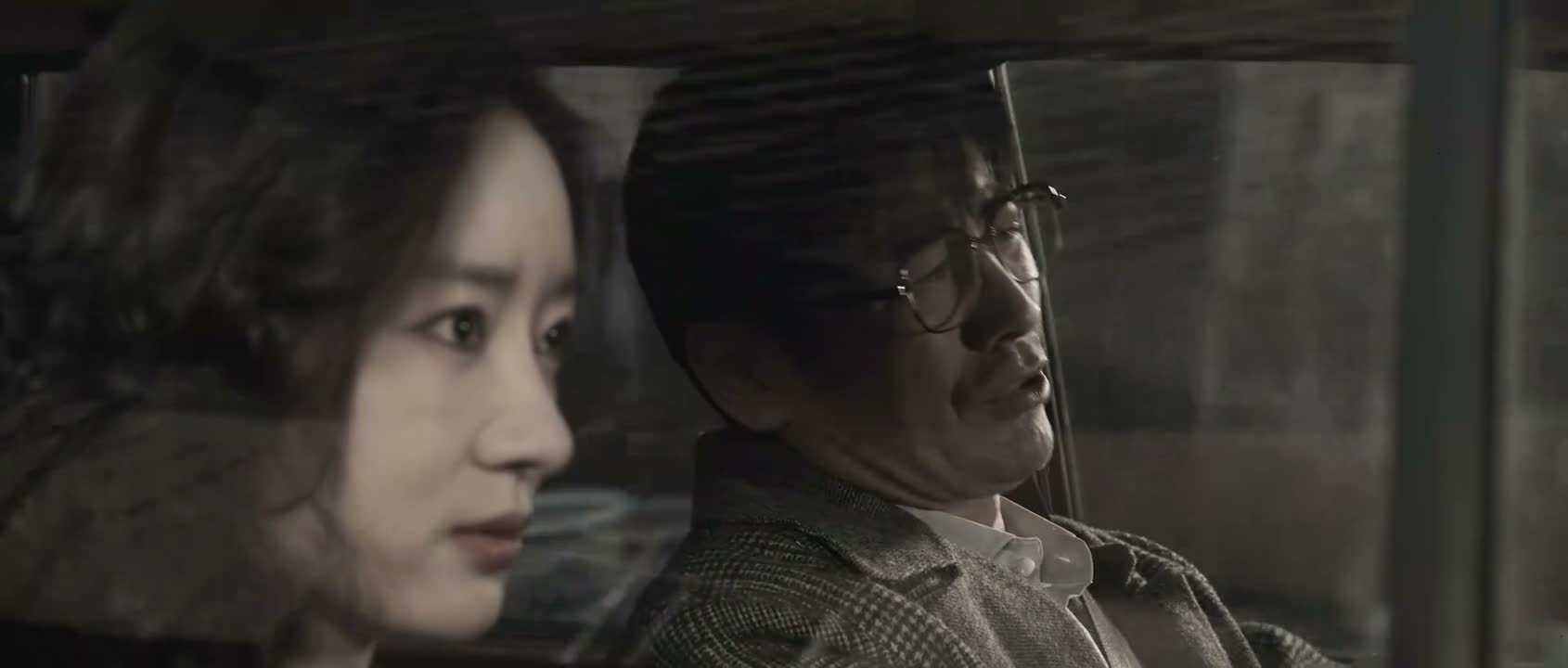
“what are you saying? Don't we have love between us?”

“What are you talking about?”

“Doctor, what's the diagnosis?”