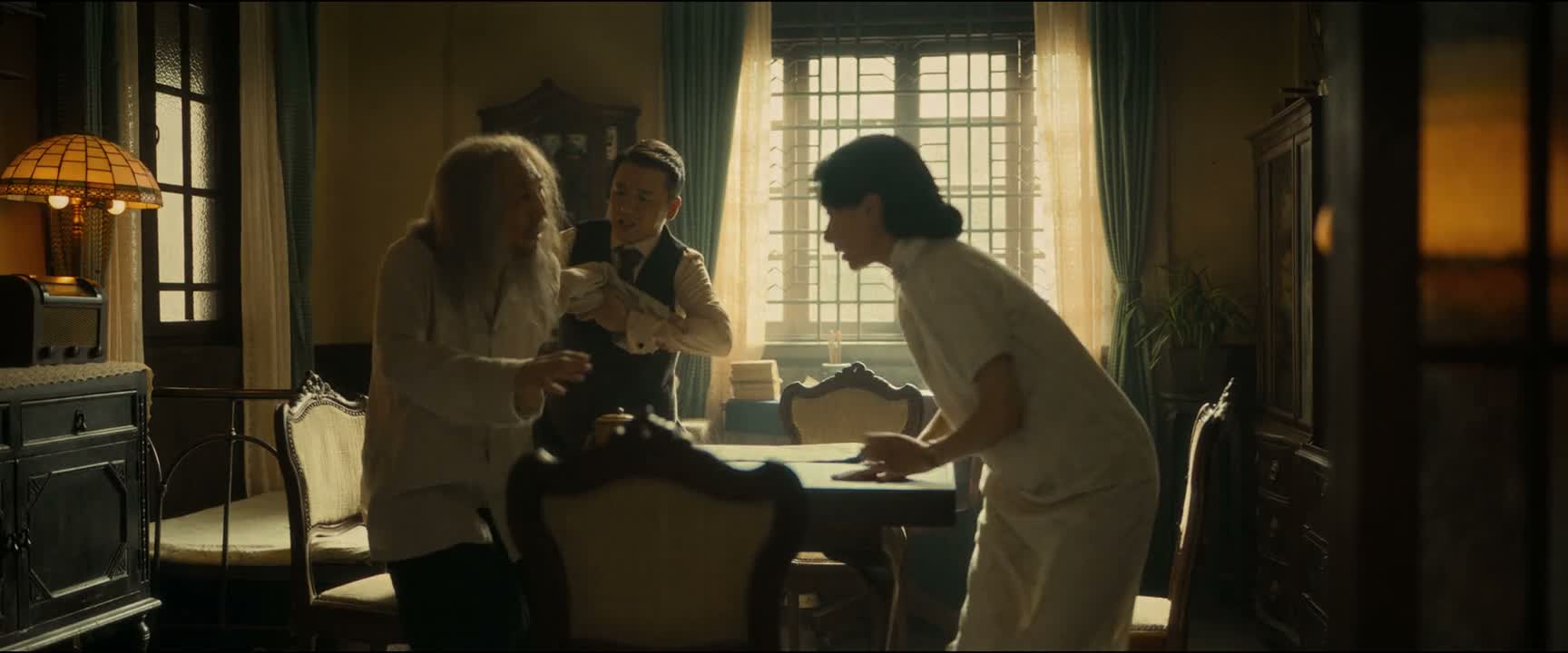
行 太爷太爷 行行行 我都听不懂 你就
“Okay, sir. Even I can't understand it,”
THE DIALOGUE REEL
之子于归
“This young lady is going to her new home.”
行 太爷太爷 行行行 我都听不懂 你就
“Okay, sir. Even I can't understand it,”
他更听不懂 别跟他置气啊 奴才 狗奴才
“let alone them. Don't be mad at them. Slaves! Dogs!”
“Please stop showing off your classical knowledge; nobody here gets what you are saying.”
Quoting classic texts like the Book of Songs ('之子于归') to ordinary listeners often causes practical friction, requiring pragmatic intermediaries to smooth things over.
LEARNING CHUNKS & PARTICLES
all right, all right / enough already
A rapid repetition of '行' signaling concession or an urge to cut someone off to end an unproductive conversation.
cannot understand (by listening)
Essential potential complement structure used when spoken words are incomprehensible due to dialect, accent, or archaic content.
VOCABULARY & EXPRESSIONS
Parallel Spoken Cinema Scenes (语义近邻切片)
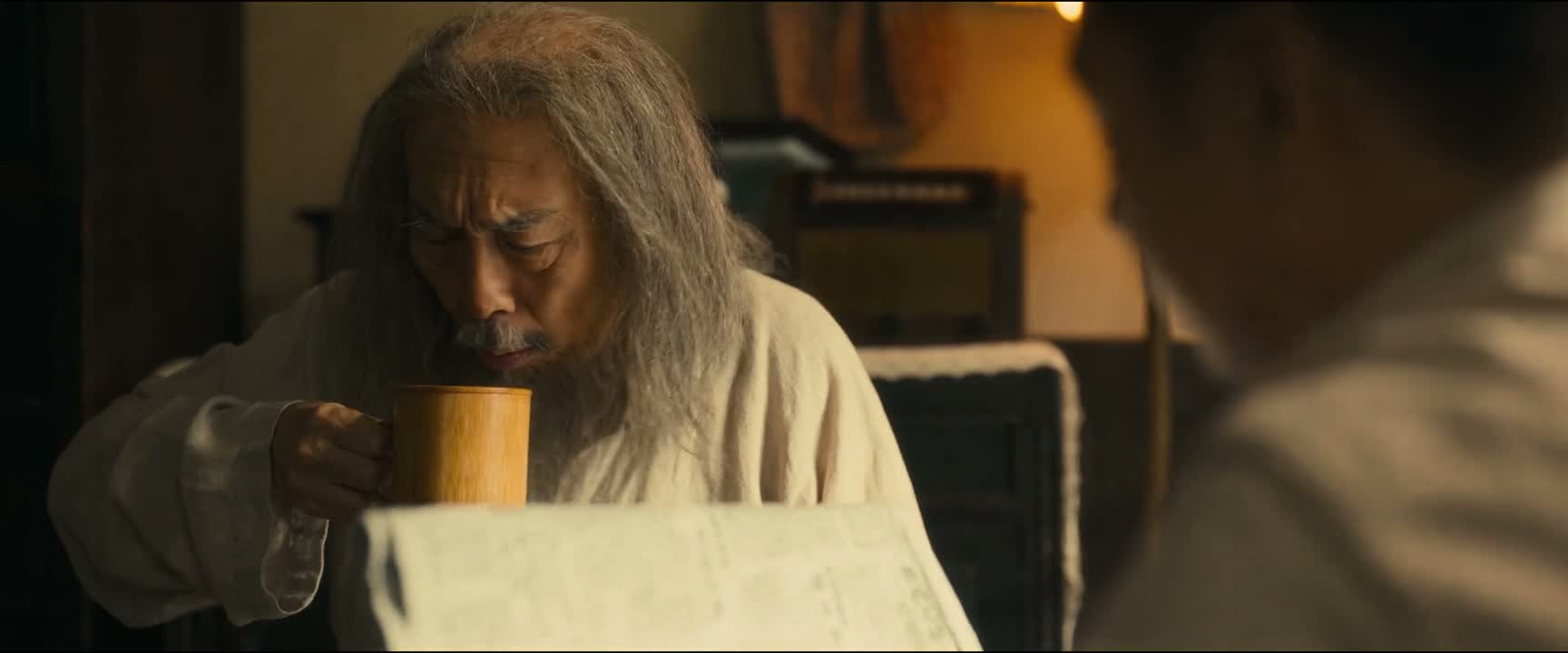
“Master, I'll continue reading.”
“and seeing Madam and Master are doing well”
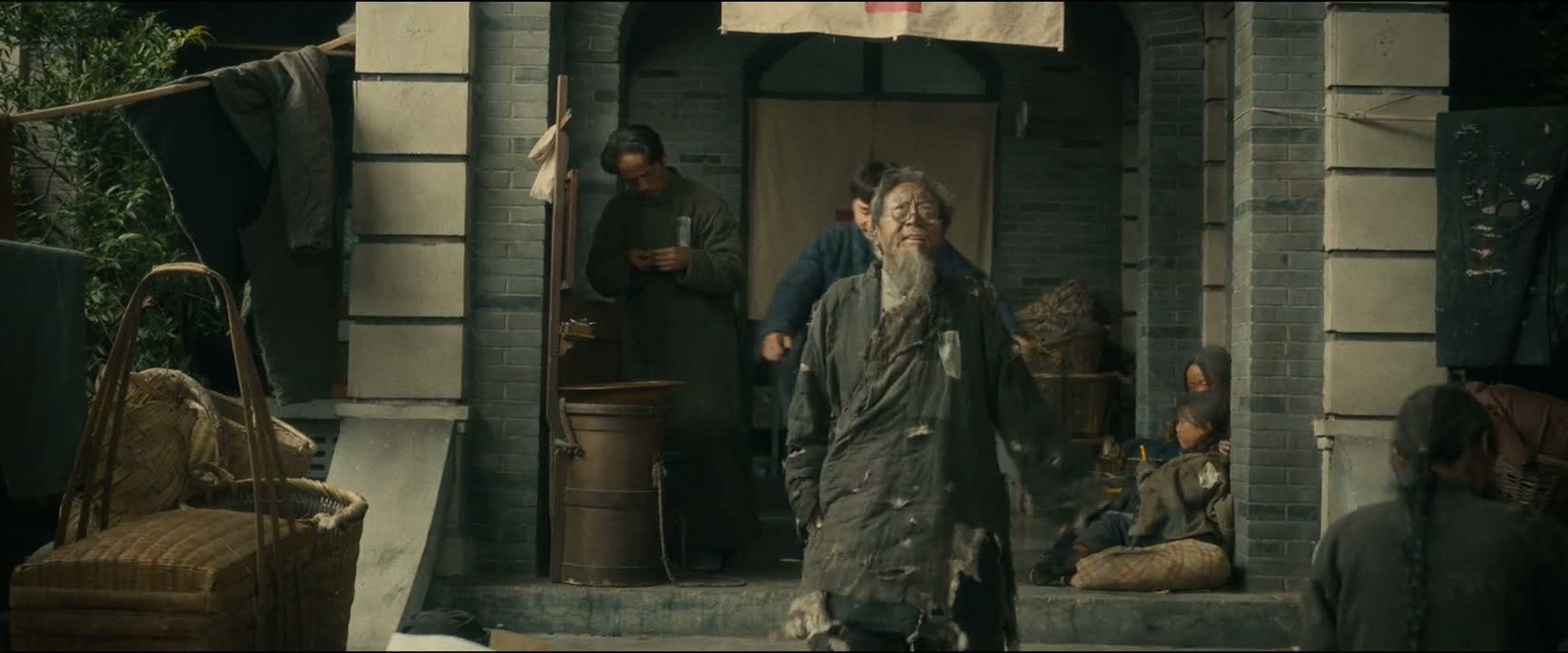
“Master. Master. Master. We can't go home like this.”
“Grandpa, what is not important? Skip to the later part. If there's no beginning,”
“Master! Dad! What kind of battle situation is this?”
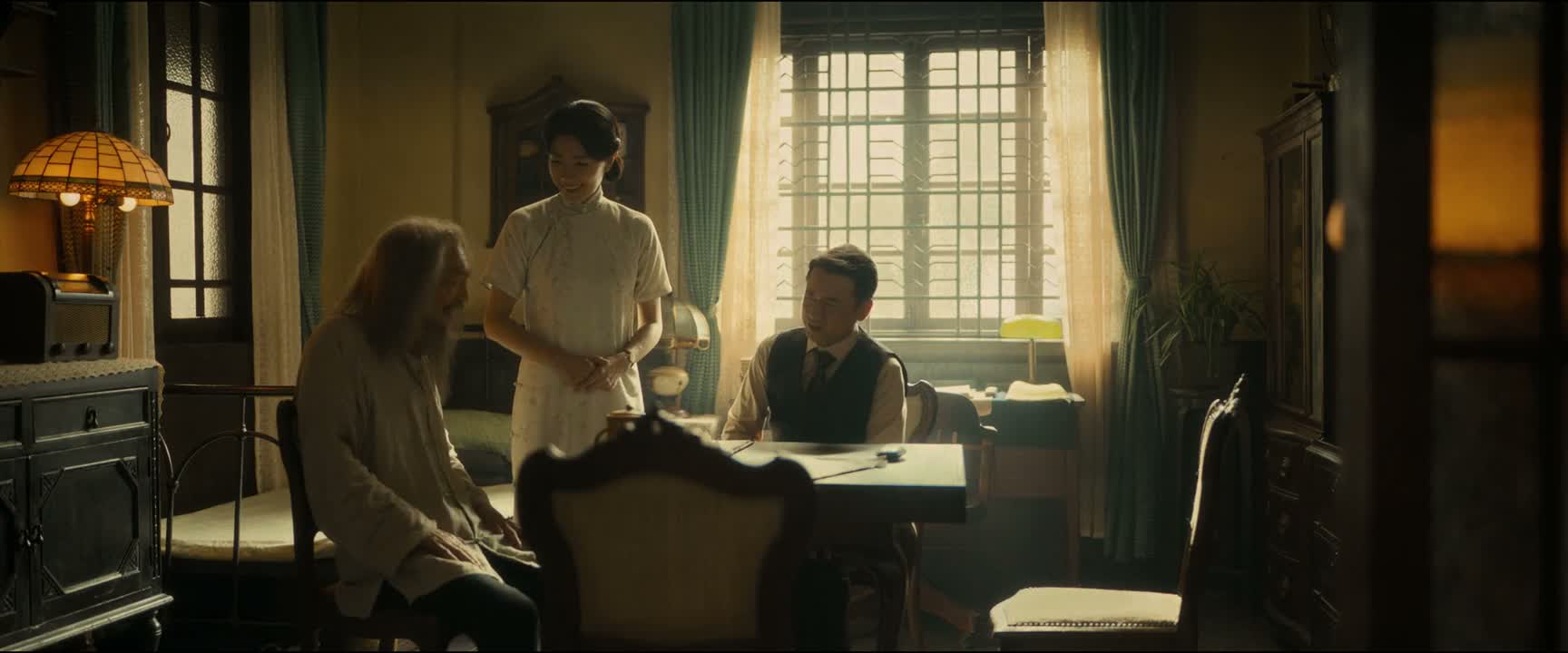
“Master, you startled me.”