你有没有觉得似曾相识啊
“Does any of this feel familiar to you?”
THE DIALOGUE REEL
“(General manager.) (Just a vice chairman.)”
你 有没有觉得 似曾相识 啊
“Does any of this feel familiar to you?”
那时候咱们俩那出租屋
“Back then, in that rental apartment of ours,”
“Think back to where we started; we've been through this together before.”
Invoking past shared struggles (such as living together in rented rooms while starting out) is a powerful relational strategy in Chinese culture to reinforce loyalty and emotional bonds.
LEARNING CHUNKS & PARTICLES
deja vu; seeming familiar
A classic four-character idiom (chengyu) used in both formal and daily Chinese to describe an uncanny sense of having experienced something before.
Softens the rhetorical question and invites the listener to agree or reminisce.
VOCABULARY & EXPRESSIONS
Parallel Spoken Cinema Scenes (语义近邻切片)
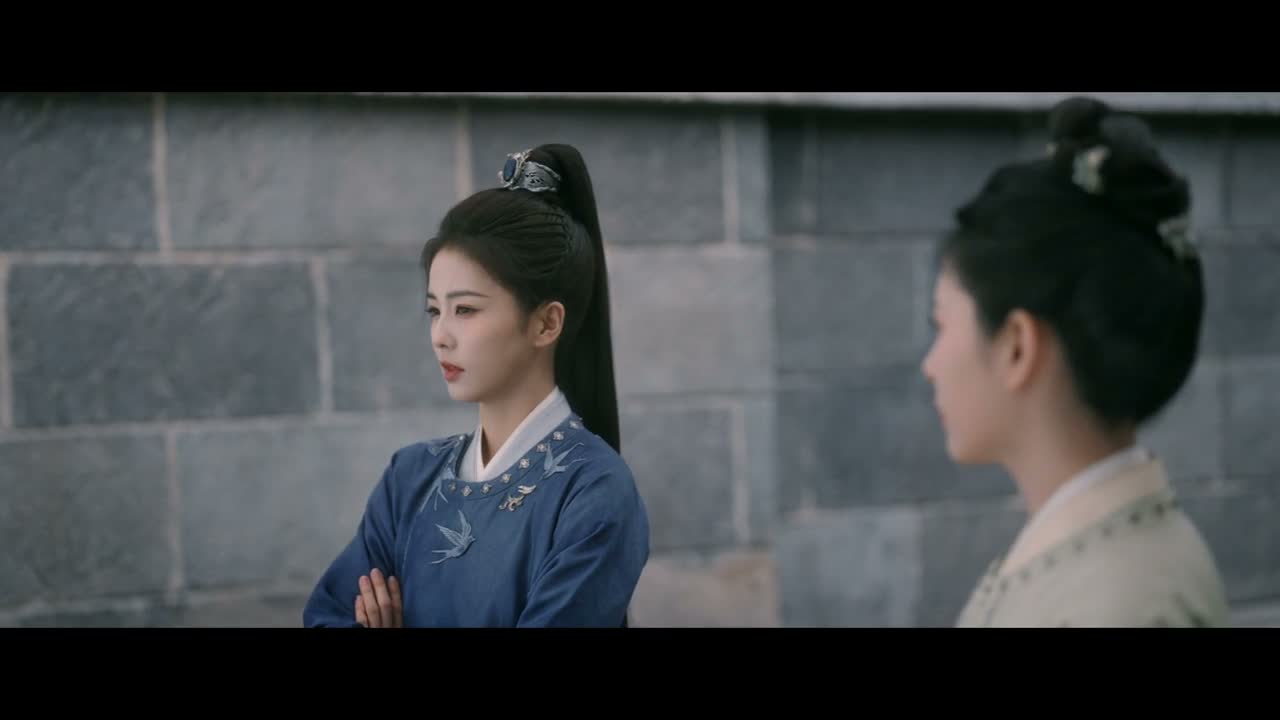
“This feels familiar, doesn't it?”

“do you ever get this feeling? I keep feeling that this Bowls lead, just like the blue heels,”

“Does it feel familiar?”

“Does it feel familiar?”