MC
MandarinClips Cinema Corpus
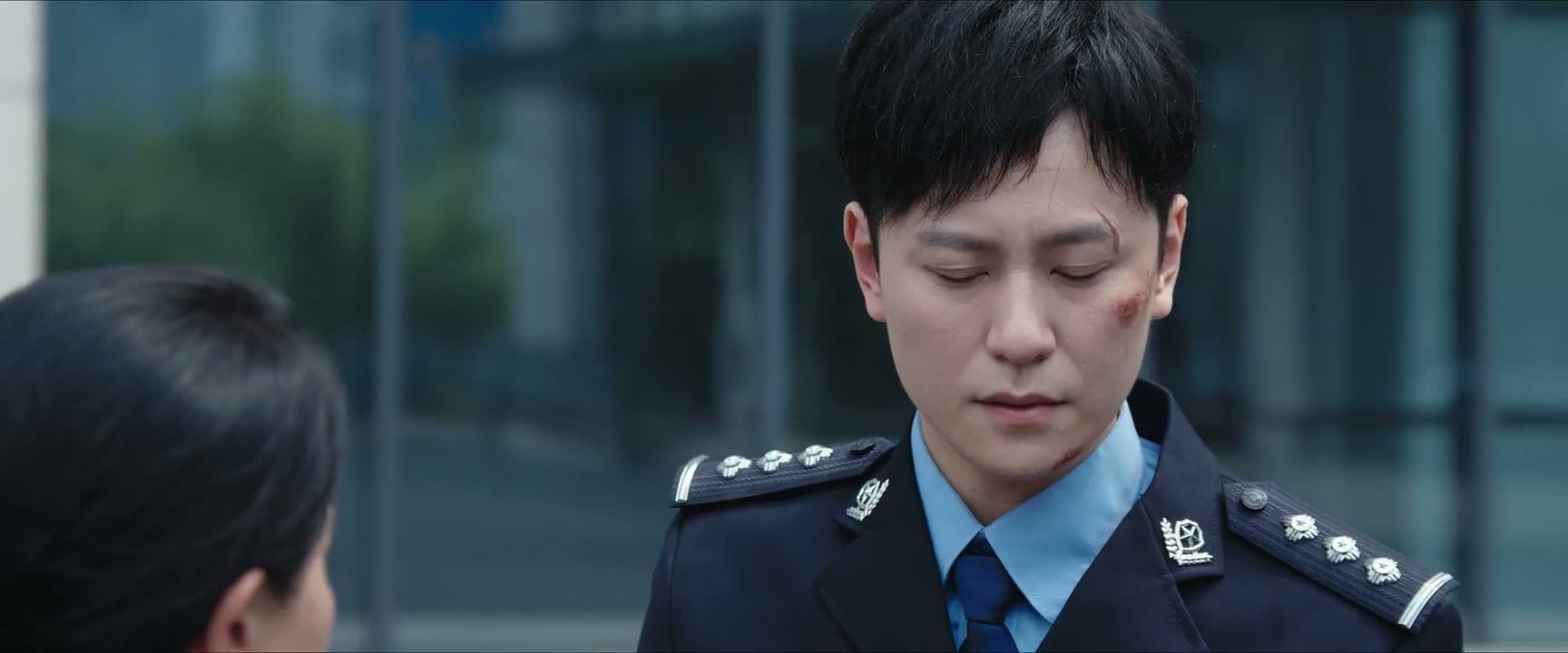
《Go Ahead》 S1·E25 (15:41) HSK 4
wǒ kě néng yǒu xiē shì qíng què shí zuò dé bú duì méi yǒu méi yǒu méi yǒu

我可能有些事情 确实做得不对 没有没有没有

“perhaps I actually didn't do anything right. Don't say that.”

《Go Ahead》 S1·E25
TIMECODE: 15:41 · 1080P MASTER AUDIO

THE DIALOGUE REEL

1+1+1 SPOKEN CONTINUITY
[-1] PREVIOUS TURN wǒ jué de

我觉得

“I think”

wǒ kě néng yǒu xiē shì qíng què shí zuò dé bú duì méi yǒu méi yǒu méi yǒu CURRENT FOCUS

我可能有些事情 确实 做得不对 没有没有没有

“perhaps I actually didn't do anything right. Don't say that.”

[+1] FOLLOW-UP TURN zhēn de shì wǒ bù gòu hǎo bú shì tīng wǒ shuō wán

真的是我不够好 不是 听我说完

“I'm really not good enough. Come on. Let me finish.”

Subtitles synced to millisecond timecode Browse Show Clips →
Scene: Social & Dating
Function: SELF CRITICISM
Tone: APOLOGETIC
Emotion: GUILT
WHAT THEY REALLY MEAN (PRAGMATIC SUBTEXT)
“Please don't excuse me—I genuinely messed up and need to own it.”
💡 Cultural Insight: Polite Deflection vs. Earnest Apology

In Chinese discourse, admitting faults often triggers an automatic, polite denial ('没有没有') from the listener to save the speaker's face; speakers who want genuine accountability must actively push past this social reflex.

INTENT TAGS: #self_reproach #taking_responsibility #insistence #apology
🧩

LEARNING CHUNKS & PARTICLES

2 CHUNKS · 0 PARTICLES
确实做得不对 SPOKEN CHUNK

indeed did not do well / was truly in the wrong

A direct, mature phrase for acknowledging fault and taking responsibility in personal or professional disputes.

没有没有 SPOKEN CHUNK

not at all / no, no

Standard phrase used to politely deflect compliments or, here, to cut off reflexive polite reassurance.
🏮

VOCABULARY & EXPRESSIONS

3 EXPR · 0 GRAMMAR
CROSS-CINEMA CORPUS BOARD · PARALLEL SCENES

Parallel Spoken Cinema Scenes (语义近邻切片)

EXPLORE BY SEMANTIC SIMILARITY
《Go Ahead》 S1·E25 (15:41) · Authentic Cinema Dialogue Corpus