MC
MandarinClips Cinema Corpus
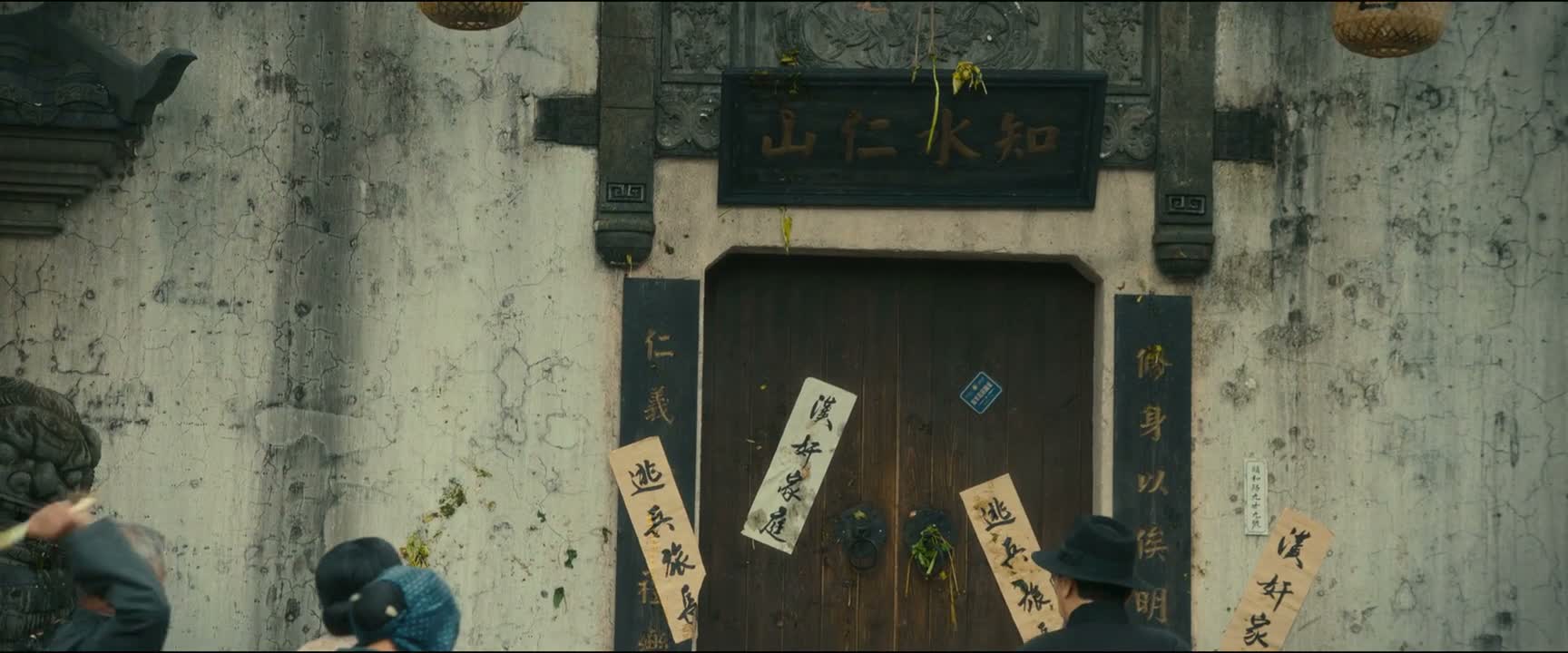
《Echoes of a Thousand Moons》 S1·E6 (11:51) HSK 6
nǐ men dōu táo dào hòu fāng qù le

你们都逃到后方去了

“You all fled to the rear,”

《Echoes of a Thousand Moons》 S1·E6
TIMECODE: 11:51 · 1080P MASTER AUDIO

THE DIALOGUE REEL

1+1+1 SPOKEN CONTINUITY
[-1] PREVIOUS TURN wǒ men yǒu rén zhèng wù zhèng dōu yǒu kuài zǒu nǐ men bù néng xìn kǒu cí huáng

我们有人证物证 都有 快走 你们不能信口雌黄

“We have both human and physical evidence. Hurry up. You can't just talk nonsense!”

nǐ men dōu táo dào hòu fāng qù le CURRENT FOCUS

你们都 逃到后方 去了

“You all fled to the rear,”

[+1] FOLLOW-UP TURN jiǎng wěi yuán zhǎng yě táo le

蒋委员长也逃了

“and Chairman Chiang also fled.”

Subtitles synced to millisecond timecode Browse Show Clips →
Scene: Crisis & Conflict
Function: ACCUSING
Tone: CONDEMNATORY
Emotion: SCORN
WHAT THEY REALLY MEAN (PRAGMATIC SUBTEXT)
“You have no right to lecture anyone because you ran away like cowards.”
💡 Cultural Insight: Frontline vs Rear Guard in Wartime China

During the Second Sino-Japanese War, retreat to the southwestern rear (Houfang) was a deeply sensitive topic, often weaponized politically to accuse factions of draft evasion or defeatism.

INTENT TAGS: #accusing #discrediting #calling_out #challenging
🧩

LEARNING CHUNKS & PARTICLES

2 CHUNKS · 1 PARTICLES
逃到 SPOKEN CHUNK

to flee to; to escape to

Describes retreating or fleeing under duress, typically with a negative connotation of running away.

后方 SPOKEN CHUNK

the rear; behind the lines

A military and wartime geographical term referring to territories away from active combat.

Modal Particle「了」 (le) CHANGE OF STATE

Marks the completed historical action, emphasizing it as an undeniable fact.
🏮

VOCABULARY & EXPRESSIONS

1 EXPR · 0 GRAMMAR
COLLOQUIAL EXPRESSIONS:
CROSS-CINEMA CORPUS BOARD · PARALLEL SCENES

Parallel Spoken Cinema Scenes (语义近邻切片)

EXPLORE BY SEMANTIC SIMILARITY
《Echoes of a Thousand Moons》 S1·E6 (11:51) · Authentic Cinema Dialogue Corpus