MC
MandarinClips Cinema Corpus
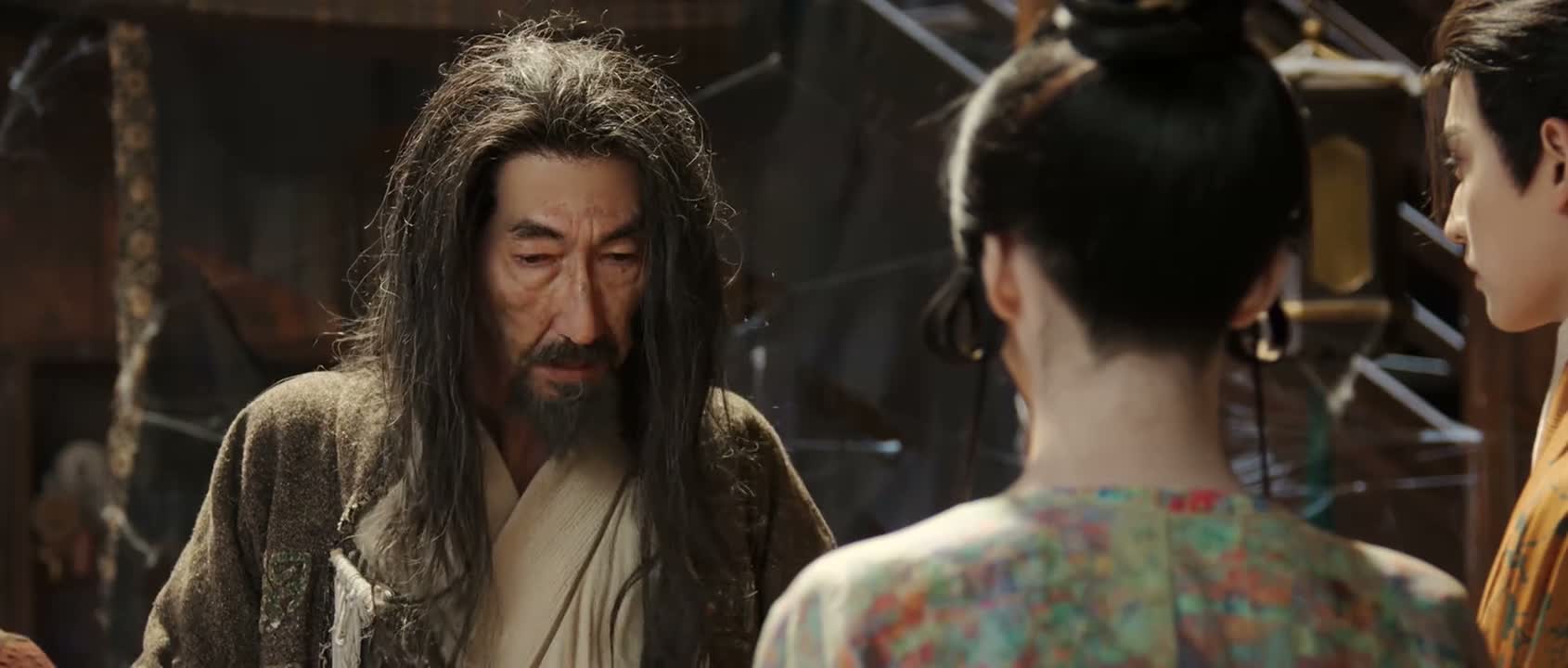
《Echoes of a Thousand Moons》 S1·E6 (39:15) HSK 7
zuì hú tú zuì bù shí hǎo dǎi de

最糊涂 最不识好歹的

“and ungrateful person I've ever met.”

《Echoes of a Thousand Moons》 S1·E6
TIMECODE: 39:15 · 1080P MASTER AUDIO

THE DIALOGUE REEL

1+1+1 SPOKEN CONTINUITY
[-1] PREVIOUS TURN shì wǒ jiàn guò de suǒ yǒu rén lǐ tou

“are the most muddled”

zuì hú tú zuì bù shí hǎo dǎi de CURRENT FOCUS

最糊涂 最 不识好歹 的

“and ungrateful person I've ever met.”

[+1] FOLLOW-UP TURN nǐ dèng wǒ gàn shén me ya

你瞪我干什么呀

“Why are you glaring at me?”

Subtitles synced to millisecond timecode Browse Show Clips →
Scene: Crisis & Conflict
Function: SCOLDING
Tone: CRITICAL
Emotion: CONTEMPT
WHAT THEY REALLY MEAN (PRAGMATIC SUBTEXT)

Direct spoken expression in this communicative setting.

💡 Cultural Insight: Recognizing Goodwill (Shi Hao Dai)

In Chinese interpersonal relationships, failing to recognize when someone treats you well or offers benevolent guidance is seen as a severe moral blind spot and social failing.

INTENT TAGS: #scolding #criticizing #condemning #blunt_assessment
🧩

LEARNING CHUNKS & PARTICLES

2 CHUNKS · 1 PARTICLES
不识好歹 SPOKEN CHUNK

unable to tell good from bad; failing to appreciate good intentions

A sharp, colloquial idiom frequently used when someone rejects genuine goodwill or makes foolish choices against good advice.

糊涂 SPOKEN CHUNK

muddle-headed; confused; foolish

Commonly used in spoken Chinese to criticize poor judgment or cognitive confusion.

Modal Particle「的」 (de) CHANGE OF STATE

Forms a nominal phrase that categorizes the person being described.

🏮

VOCABULARY & EXPRESSIONS

2 EXPR · 0 GRAMMAR
CROSS-CINEMA CORPUS BOARD · PARALLEL SCENES

Parallel Spoken Cinema Scenes (语义近邻切片)

EXPLORE BY SEMANTIC SIMILARITY
《Echoes of a Thousand Moons》 S1·E6 (39:15) · Authentic Cinema Dialogue Corpus