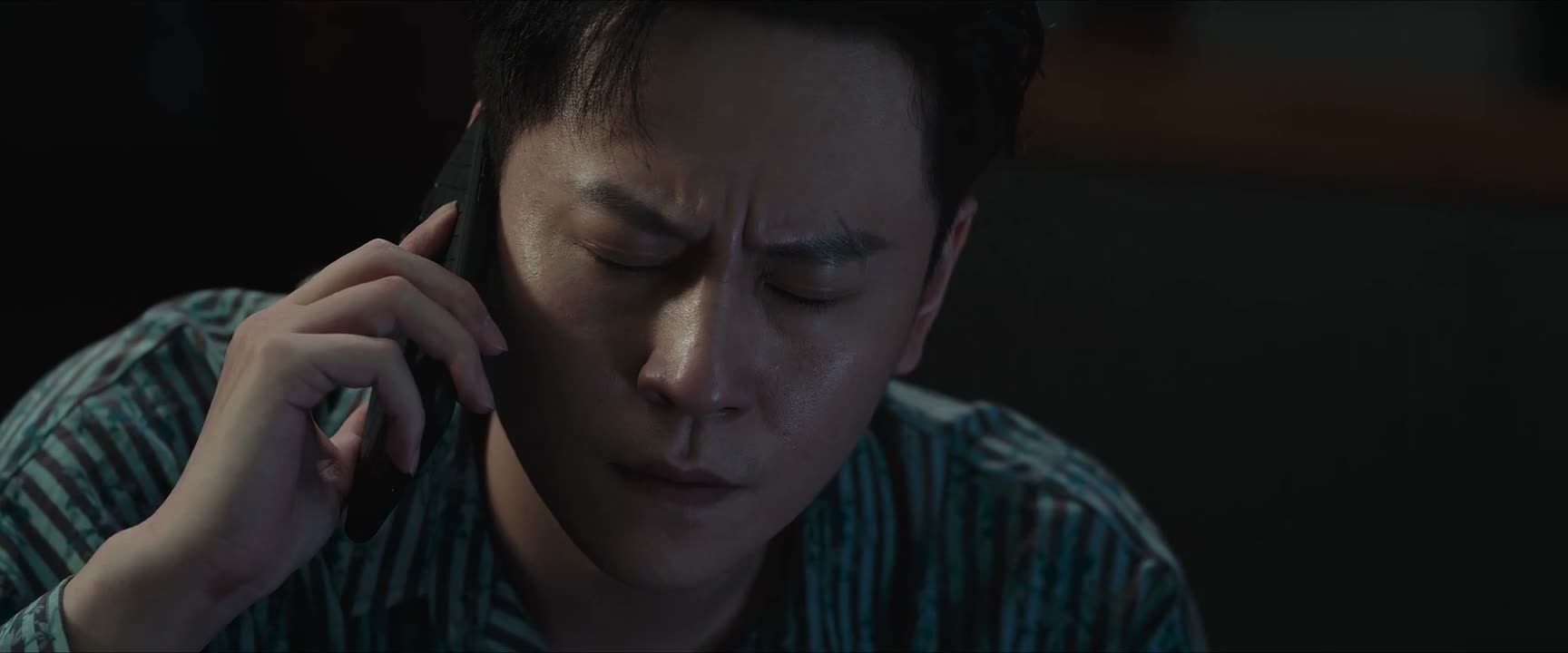
《Love Story in the 1970s》 S1·E1 (32:33)
HSK 7
tóng zhì nǐ jiù jiù wǒ jiù jiù wǒ tóng zhì wǒ bú yào sǐ tóng zhì
同志你救救我 救救我同志 我不要死 同志
“Comrade, save me. I don't want to die. Comrade.”
《Love Story in the 1970s》
S1·E1
TIMECODE: 32:33
·
1080P MASTER AUDIO
THE DIALOGUE REEL
[-1] PREVIOUS TURN
tóng zhì tóng zhì jiù wǒ jiù wǒ wǒ bù xiǎng sǐ tóng zhì
同志同志 救我救我 我不想死 同志
“Comrade. Save me. I don't want to die. Comrade.”
tóng zhì nǐ jiù jiù wǒ jiù jiù wǒ tóng zhì wǒ bú yào sǐ tóng zhì
CURRENT FOCUS
同志你 救救我 救救我 同志 我不要死 同志
“Comrade, save me. I don't want to die. Comrade.”
[+1] FOLLOW-UP TURN
wǒ bú yào sǐ bú yào sǐ nǐ bú huì sǐ nǐ de tuǐ bèi kǎ zhù le
“I don't want to die. You won't. Your leg is stuck.”
Subtitles synced to millisecond timecode
Browse Show Clips →
Scene:
Crisis & Conflict
Function:
PLEADING FOR HELP
Tone:
DESPERATE
Emotion:
FEAR
WHAT THEY REALLY MEAN (PRAGMATIC SUBTEXT)
Direct spoken expression in this communicative setting.
💡 Cultural Insight: Addressing Strangers as Tongzhi
In 20th-century socialist China, 'tongzhi' (comrade) served as a universal, respectful term for addressing fellow citizens and evoking mutual duty to help.
INTENT TAGS:
#pleading
#panic
#emergency
#seeking_help
🧩
2 CHUNKS · 0 PARTICLES
LEARNING CHUNKS & PARTICLES
救救我
SPOKEN CHUNK
save me / help me
An urgent, repetitive plea used in extreme distress or life-threatening emergencies.
我不要
SPOKEN CHUNK
I don't want to
Expresses strong refusal or desperate rejection of an impending negative outcome.
🏮
2 EXPR · 0 GRAMMAR
VOCABULARY & EXPRESSIONS
COLLOQUIAL EXPRESSIONS:
CROSS-CINEMA CORPUS BOARD · PARALLEL SCENES
EXPLORE BY SEMANTIC SIMILARITY
Parallel Spoken Cinema Scenes (语义近邻切片)
《Love Story in the 1970s》 S1·E1 (32:33) · Authentic Cinema Dialogue Corpus