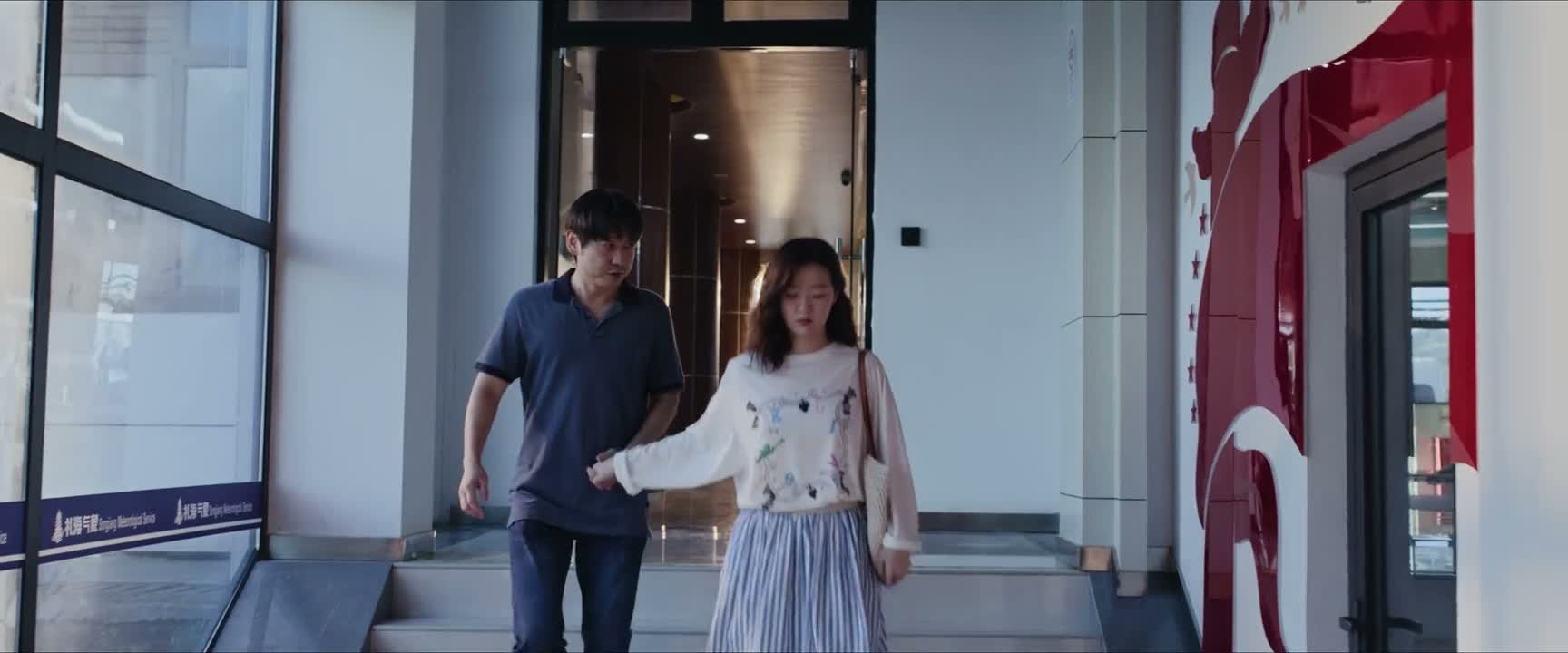
《Road to Success》 S1·E20 (16:21)
HSK 4
wǒ néng bù néng lǐ jiě wèi nǐ yuán liàng wǒ le
我能不能理解为 你原谅我了
“can I take it that you've forgiven me?”
《Road to Success》
S1·E20
TIMECODE: 16:21
·
1080P MASTER AUDIO
THE DIALOGUE REEL
[-1] PREVIOUS TURN
wǎn ān
晚安
“good night to me,”
wǒ néng bù néng lǐ jiě wèi nǐ yuán liàng wǒ le
CURRENT FOCUS
我 能不能 理解为 你 原谅我了
“can I take it that you've forgiven me?”
[+1] FOLLOW-UP TURN
wǒ mù dì bù chún
我目的不纯
“My motives were impure.”
Subtitles synced to millisecond timecode
Browse Show Clips →
Scene:
Social & Dating
Function:
SEEKING CLARIFICATION
Tone:
TENTATIVE
Emotion:
HOPEFULNESS
WHAT THEY REALLY MEAN (PRAGMATIC SUBTEXT)
“Please tell me directly: are we good now, or are you just being polite?”
💡 Cultural Insight: Clarifying Tacit Politeness
In Chinese social interaction, surface politeness like saying good night can easily mask unresolved lingering resentment.
INTENT TAGS:
#clarification
#reassurance_seeking
#probing
#reconciliation
🧩
2 CHUNKS · 1 PARTICLES
LEARNING CHUNKS & PARTICLES
我能不能理解为
SPOKEN CHUNK
can I interpret this as; may I take it that
A diplomatic and polite framing to ask for someone's underlying meaning or stance.
原谅我
SPOKEN CHUNK
forgive me
Direct phrase used when acknowledging fault and asking for interpersonal reconciliation.
Modal Particle「了」 (le)
CHANGE OF STATE
Indicates a completed change of state from holding a grudge to granting forgiveness.
🏮
3 EXPR · 0 GRAMMAR
VOCABULARY & EXPRESSIONS
COLLOQUIAL EXPRESSIONS:
CROSS-CINEMA CORPUS BOARD · PARALLEL SCENES
EXPLORE BY SEMANTIC SIMILARITY
Parallel Spoken Cinema Scenes (语义近邻切片)
《Road to Success》 S1·E20 (16:21) · Authentic Cinema Dialogue Corpus