你怎么哭了?
“Why are you crying?”
THE DIALOGUE REEL
会不断伤害身边的人 自己也受折磨
“she'll keep hurting those around her and suffer herself.”
你怎么哭了 ?
“Why are you crying?”
因为花…
“Because the flowers…”
Direct spoken expression in this communicative setting.
Because public crying is generally restrained in Chinese culture, openly weeping and immediately asking about it denotes a high degree of intimacy between speakers.
LEARNING CHUNKS & PARTICLES
Why are you crying? / What made you cry?
A direct, caring phrase used strictly with close friends, family, or partners upon noticing tears.
Marks a change of state, indicating the sudden onset of tears.
VOCABULARY & EXPRESSIONS
Parallel Spoken Cinema Scenes (语义近邻切片)
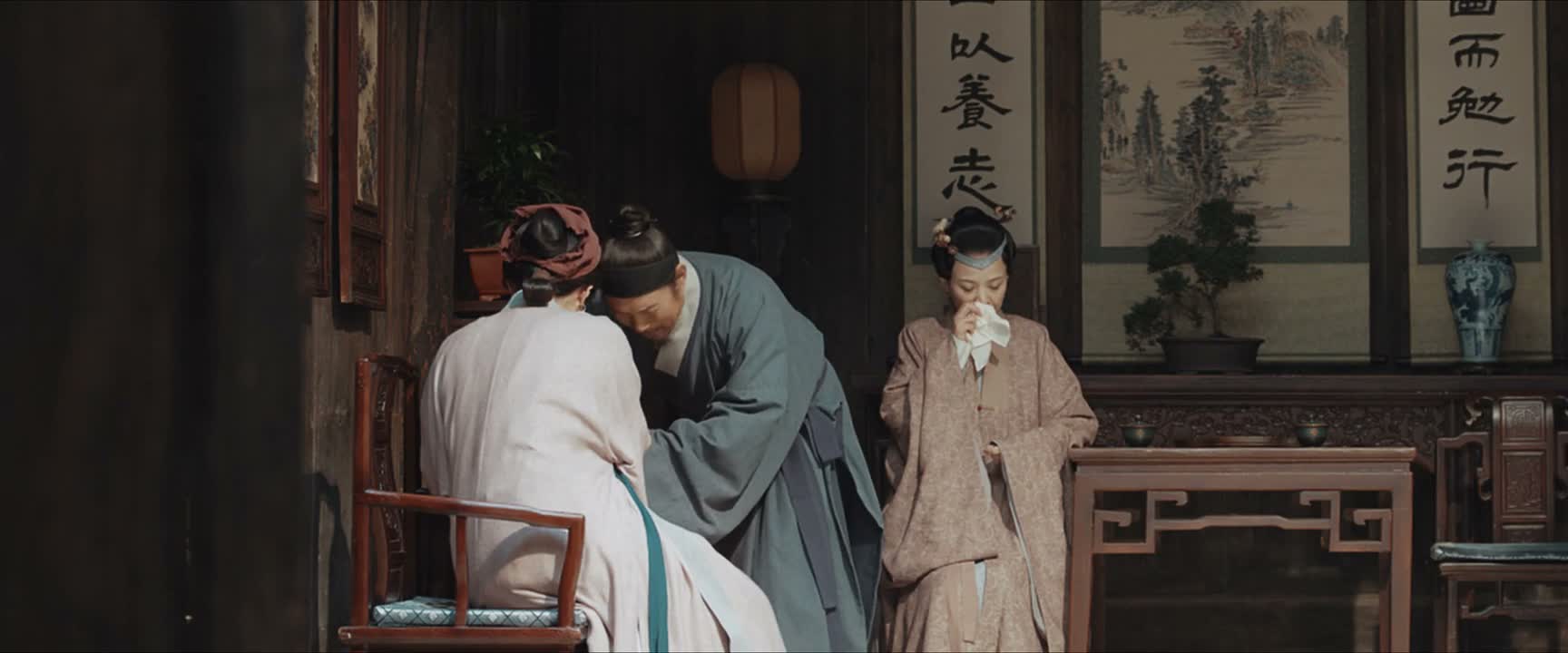
“Why are you crying?”
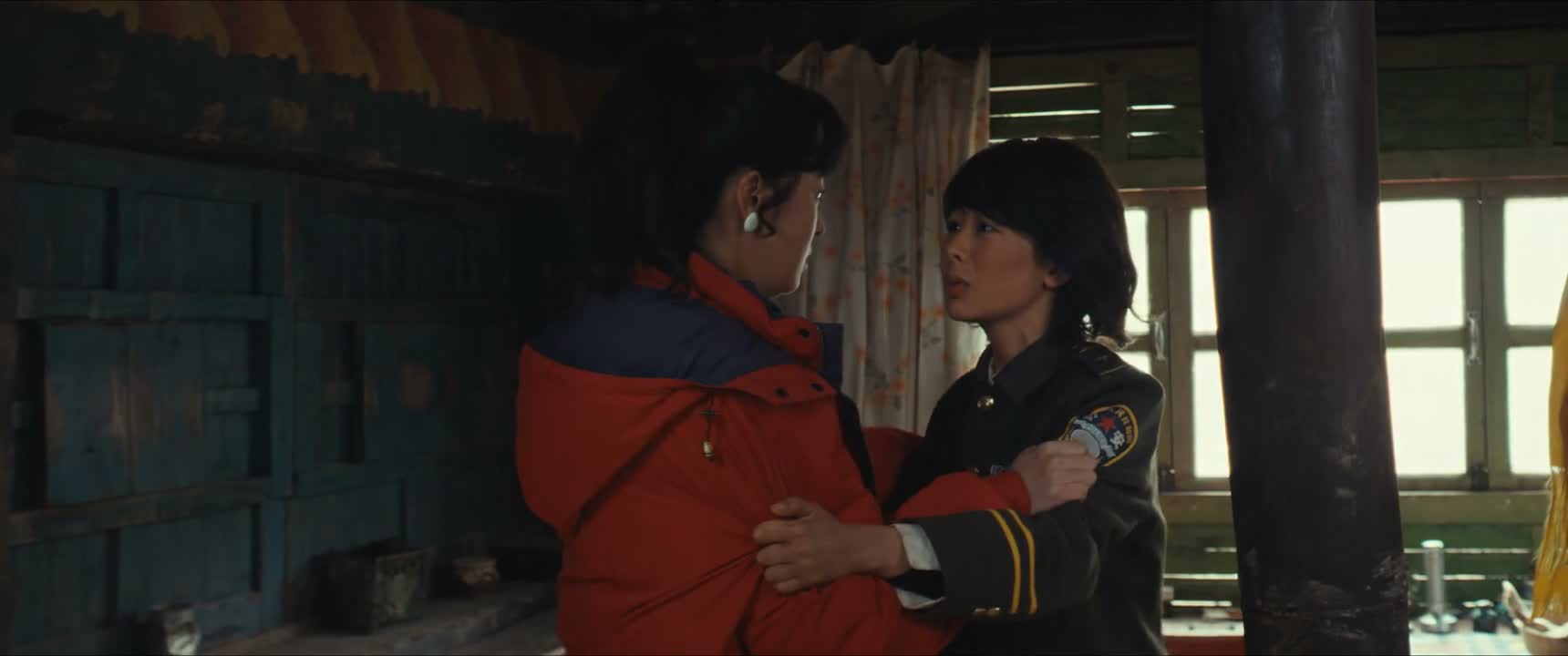
“Why are... Why are you crying?”
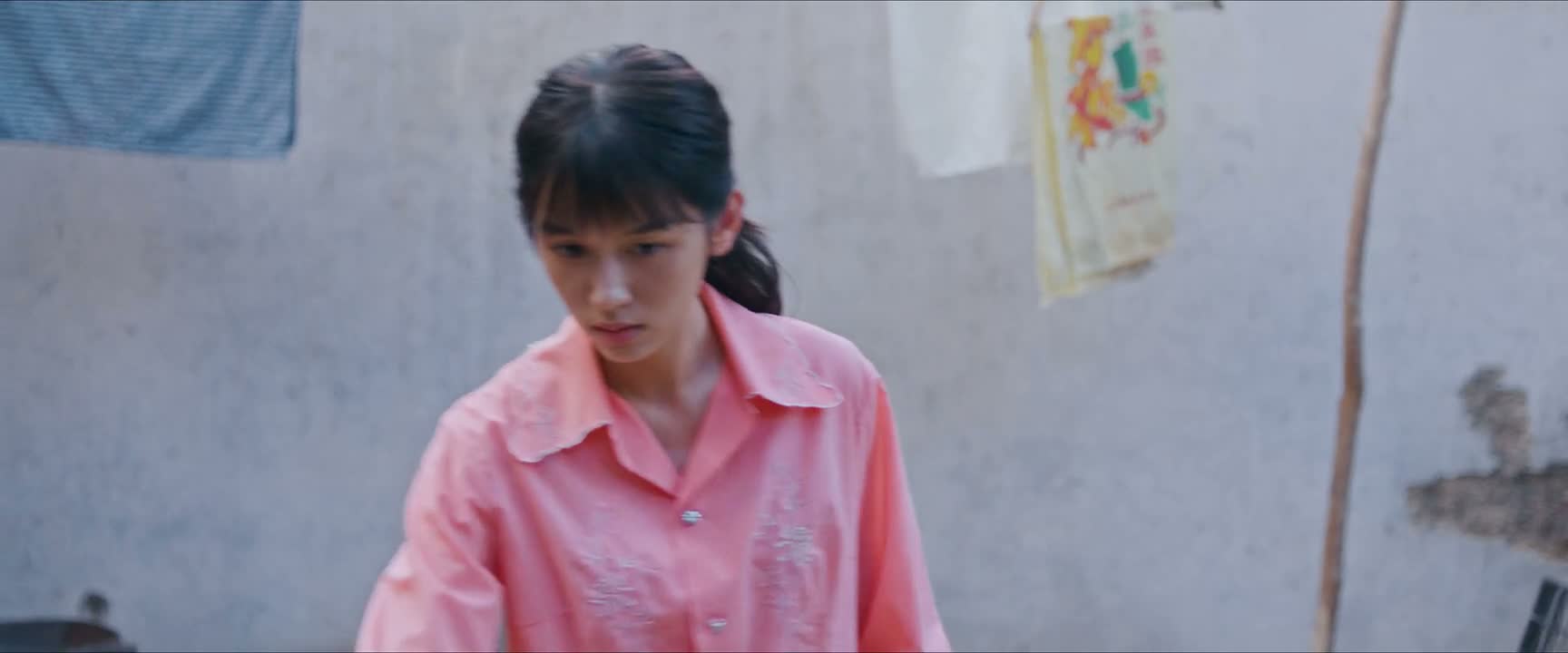
“Why are you crying? What are you crying for?”

“What's wrong? Why are you crying?”
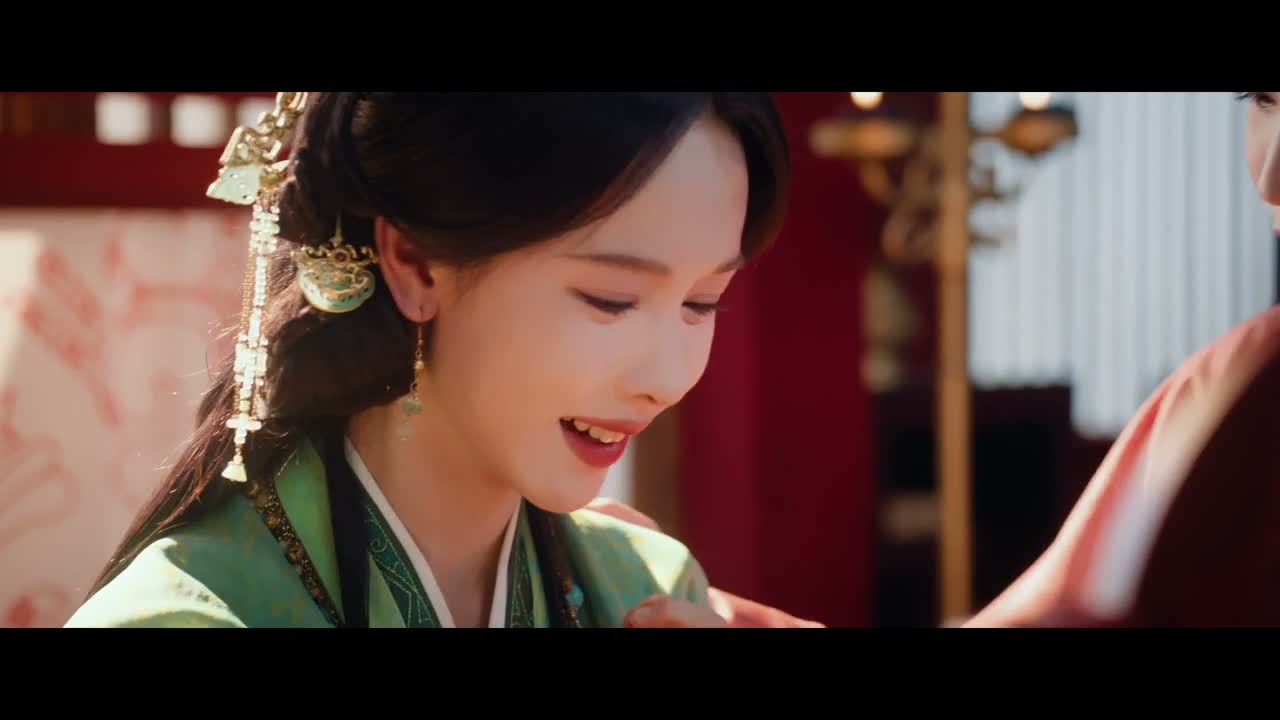
“Why are you crying again?”