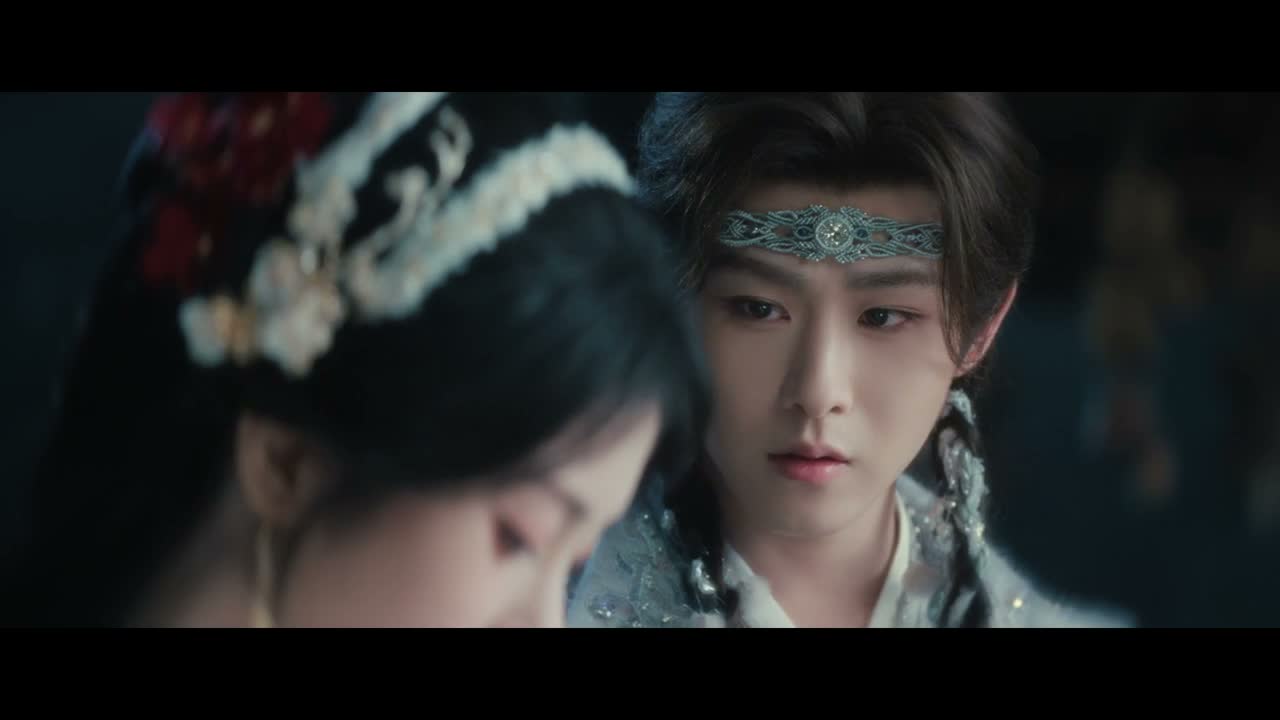
你怎么 你怎么哭了
“Why are... Why are you crying?”
THE DIALOGUE REEL
你 怎么 你怎么哭了
“Why are... Why are you crying?”
“Didn't you tell me that you were doing fine here?”
Direct spoken expression in this communicative setting.
Chinese individuals working away from home commonly tell family they are living well to avoid causing worry; sudden tears usually reveal hidden hardships they have been suppressing.
LEARNING CHUNKS & PARTICLES
why are you crying?
A primary conversational phrase to inquire with warmth and sympathy when you notice someone weeping.
Marks the sudden emergence of a new state (tears welling up or starting to cry).
VOCABULARY & EXPRESSIONS
Parallel Spoken Cinema Scenes (语义近邻切片)
“Why are you crying?”

“What's wrong? Why are you crying?”

“What's wrong? Why are you crying?”

“Why do you have tears in your eyes?”