你怎么了 你怎么哭了
“What's wrong? Why are you crying?”
THE DIALOGUE REEL
华儿
“Ronghua?”
你怎么了 你怎么哭了
“What's wrong? Why are you crying?”
Direct spoken expression in this communicative setting.
Directly noticing and calling out tears is seen in close relationships as an essential show of attentiveness and care rather than an invasion of privacy.
LEARNING CHUNKS & PARTICLES
Why are you crying?
A direct and concerned question to ask when you see a friend or loved one in tears.
Indicates a new state or situation that prompts the speaker's reaction.
VOCABULARY & EXPRESSIONS
Parallel Spoken Cinema Scenes (语义近邻切片)

“Why are... Why are you crying?”

“What happened? Who bullied you?”

“Why do you have tears in your eyes?”
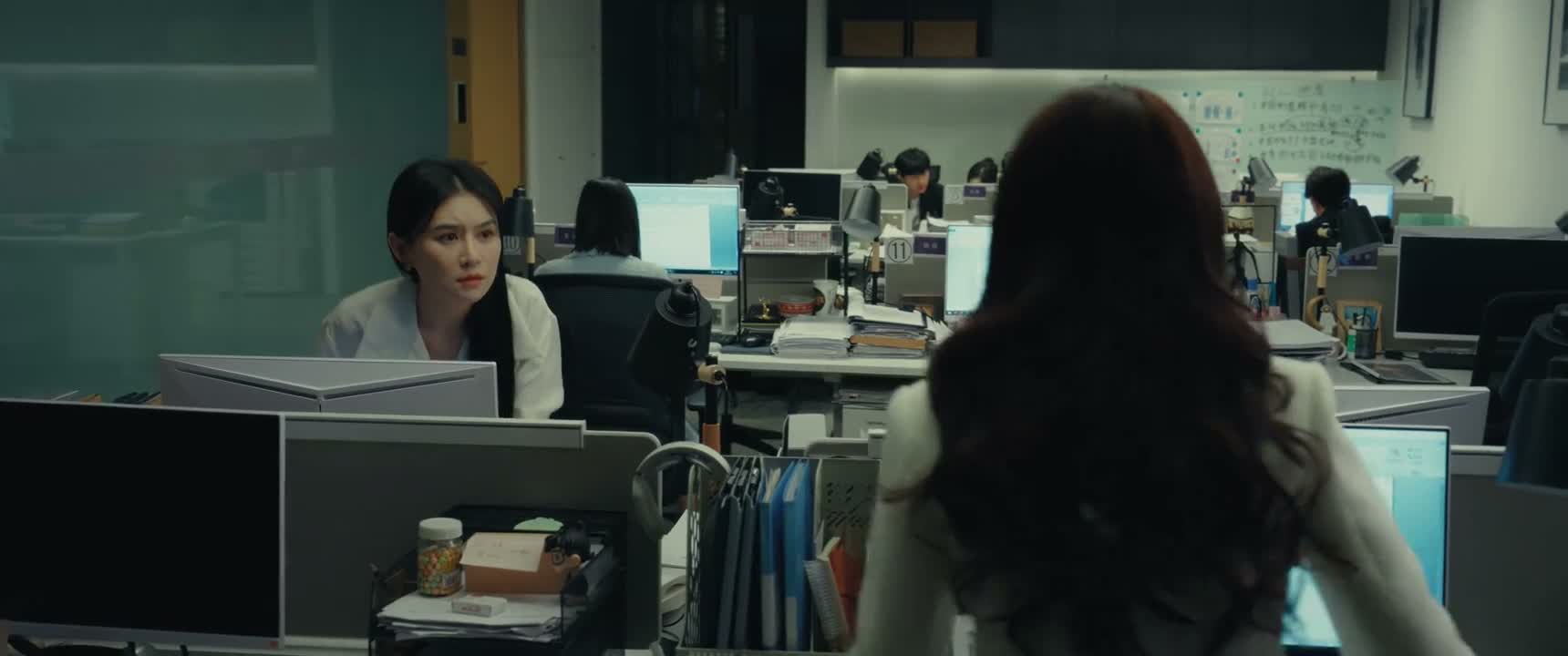
“What's wrong? You look awful.”

“What is it? What's wrong with you? Are you ready?”