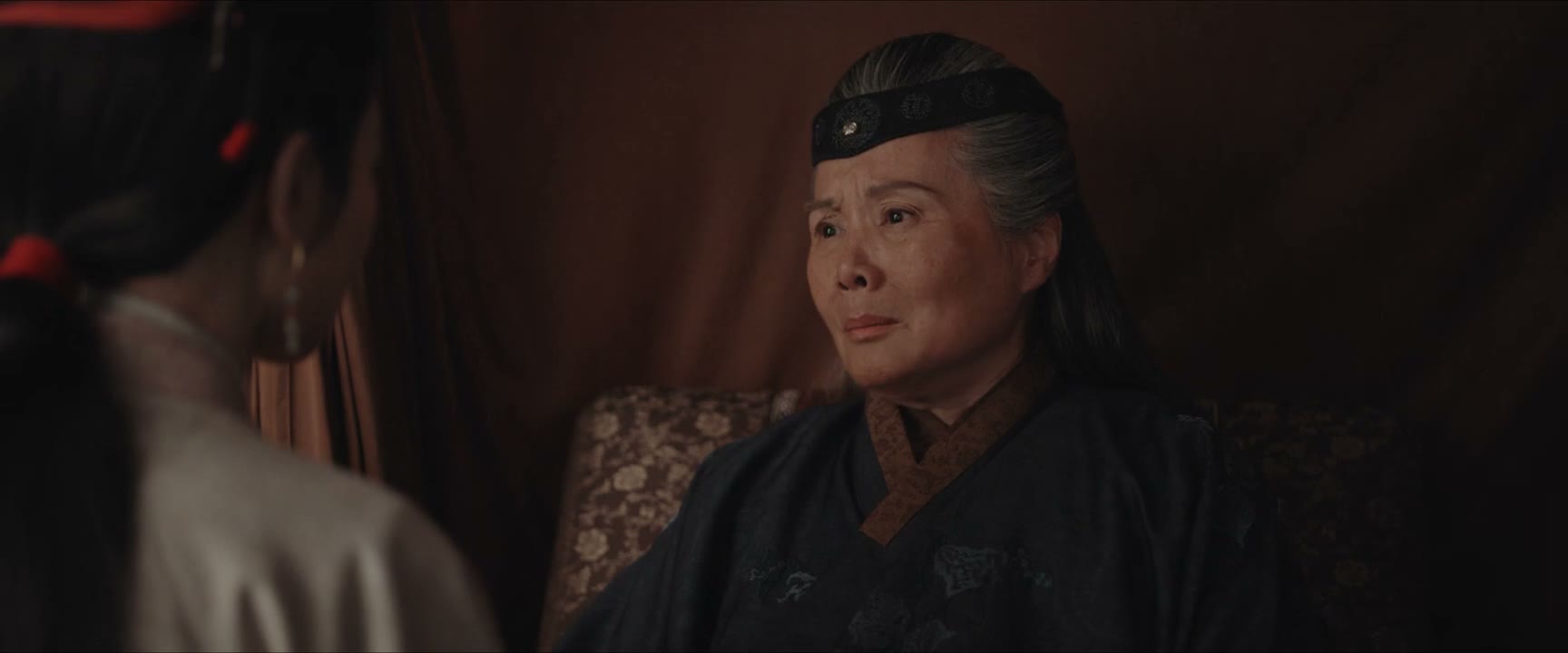
《The Heir》 S1·E6 (23:26)
HSK 3
nǐ zěn me le bù kū bù kū
你怎么了 不哭 不哭
“What's wrong? Don't cry. Don't cry.”
《The Heir》
S1·E6
TIMECODE: 23:26
·
1080P MASTER AUDIO
THE DIALOGUE REEL
nǐ zěn me le bù kū bù kū
CURRENT FOCUS
你怎么了 不哭 不哭
“What's wrong? Don't cry. Don't cry.”
[+1] FOLLOW-UP TURN
nǐ bié xià hǔ wǒ huá ér zěn me le
“Don't scare me. Ronghua, what's wrong?”
Subtitles synced to millisecond timecode
Browse Show Clips →
Scene:
Daily Life
Function:
COMFORTING
Tone:
TENDER
Emotion:
ANXIETY
WHAT THEY REALLY MEAN (PRAGMATIC SUBTEXT)
Direct spoken expression in this communicative setting.
💡 Cultural Insight: Verbal Soothing Repetition
Repeating short imperatives like '不哭 不哭' is a common linguistic pattern in Chinese to communicate warmth, intimacy, and urgent pacification.
INTENT TAGS:
#consoling
#inquiry
#soothing
#reassurance
🧩
2 CHUNKS · 1 PARTICLES
LEARNING CHUNKS & PARTICLES
你怎么了
SPOKEN CHUNK
What's wrong with you? / What happened?
Use this as the standard empathetic inquiry when someone appears distressed or unusual.
不哭
SPOKEN CHUNK
Don't cry / There, there
A gentle, colloquial way to soothe someone weeping, commonly used with loved ones or children.
Modal Particle「了」 (le)
CHANGE OF STATE
Signals a change of state, highlighting the sudden onset of distress.
🏮
2 EXPR · 0 GRAMMAR
VOCABULARY & EXPRESSIONS
COLLOQUIAL EXPRESSIONS:
CROSS-CINEMA CORPUS BOARD · PARALLEL SCENES
EXPLORE BY SEMANTIC SIMILARITY
Parallel Spoken Cinema Scenes (语义近邻切片)
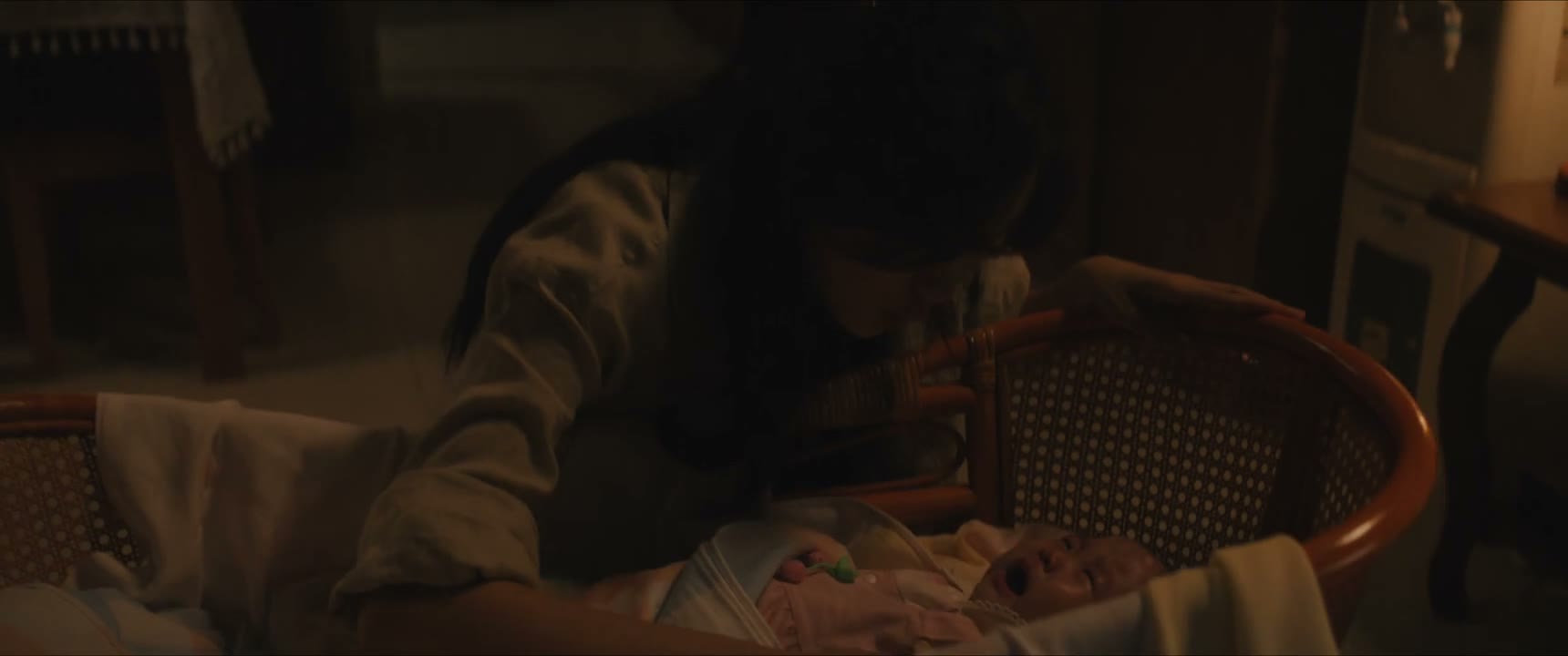
《The Heir》 S1·E6 (23:26) · Authentic Cinema Dialogue Corpus