怎么了 不哭啊 不哭
“What's wrong? Don't cry.”
THE DIALOGUE REEL
要是银两不够 七祖母可以给你的
“If you don't have enough money, I can give you some.”
怎么了 不哭 啊 不哭
“What's wrong? Don't cry.”
Direct spoken expression in this communicative setting.
In Chinese kinship, an elder comforting tears with physical presence and gentle repetition signals that the family will shelter the vulnerable member from crisis.
LEARNING CHUNKS & PARTICLES
what happened? / what's wrong?
High-frequency spoken question used immediately upon sensing another person's distress.
don't cry / there, there
A gentle, affectionate imperative typically used by caregivers or elders towards younger people.
Functions in '怎么了' to indicate an emergent state or unexpected turn of events.
Softens the imperative '不哭', conveying warmth, empathy, and comfort.
VOCABULARY & EXPRESSIONS
Parallel Spoken Cinema Scenes (语义近邻切片)
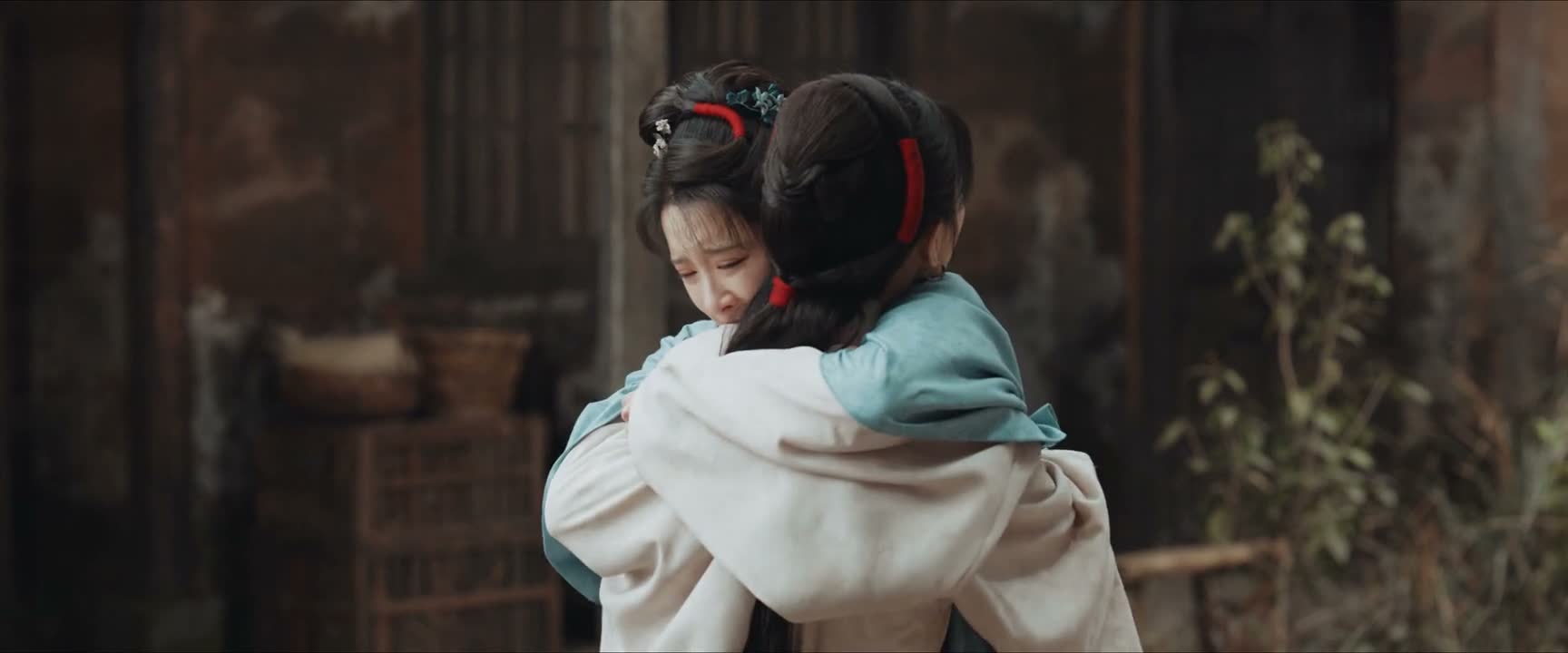
“What's wrong? Don't cry. Don't cry.”
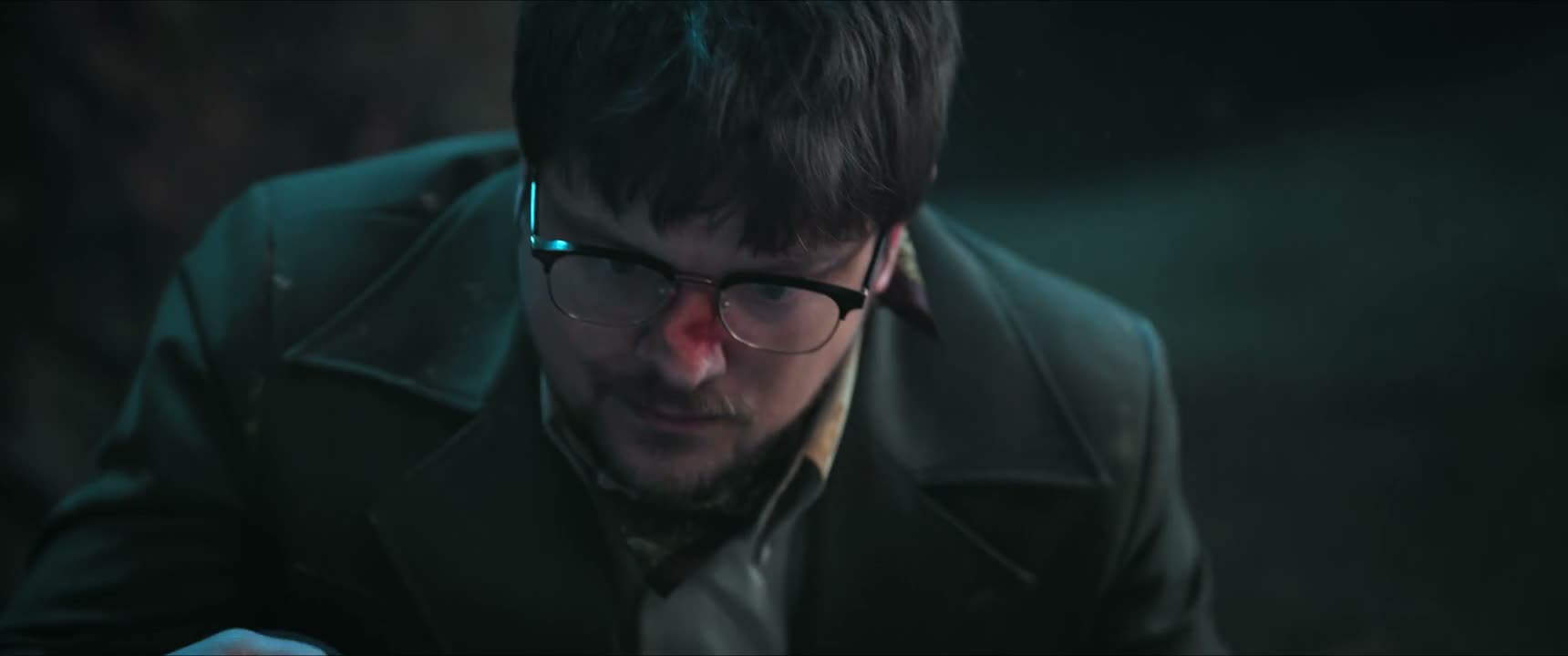
“Alright, don't cry.”

“♪ Fireworks scatter across the sky ♪ Don't cry. I'll go find some ointment for you.”