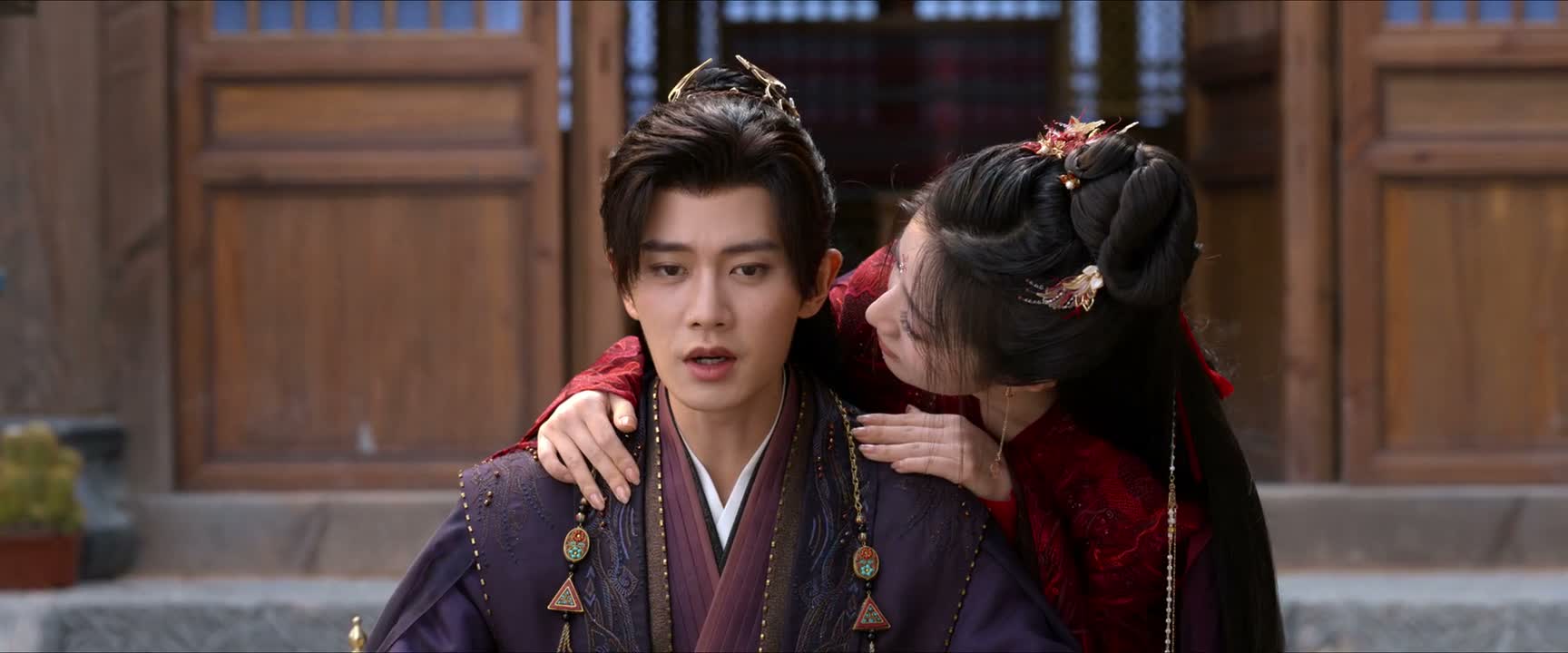
《Love Story in the 1970s》 S1·E27 (10:35)
HSK 7
wǒ gěi nǐ dú dú zhè shì tián xuě yīng tóng zhì de lái xìn
我给你读读 这是田雪英同志的来信
“Let me read it. A letter from Comrade Tian Xueying.”
《Love Story in the 1970s》
S1·E27
TIMECODE: 10:35
·
1080P MASTER AUDIO
THE DIALOGUE REEL
[-1] PREVIOUS TURN
wǒ zhèng zài kàn dú zhě lái xìn ne zhè me duō ya yóu qí shì zhè yī fēng
“(I'm reading readers' letters.) That many? Especially this one.”
wǒ gěi nǐ dú dú zhè shì tián xuě yīng tóng zhì de lái xìn
CURRENT FOCUS
我给你读读 这是田雪英同志的来信
“Let me read it. A letter from Comrade Tian Xueying.”
Subtitles synced to millisecond timecode
Browse Show Clips →
Scene:
Workplace
Function:
CONFRONTING
Tone:
CONFRONTATIONAL
Emotion:
SUSPICION
WHAT THEY REALLY MEAN (PRAGMATIC SUBTEXT)
“You thought you hid this from me, but I have the evidence right here in black and white.”
💡 Cultural Insight: Socialist Epistolary Oversight
In historical China, letters sent to work units or editors (读者来信) often carried semi-official authority and could expose personal misdeeds or grievances.
INTENT TAGS:
#confrontation
#exposing_truth
#evidence_presentation
#inquiry
🧩
2 CHUNKS · 0 PARTICLES
LEARNING CHUNKS & PARTICLES
我给你读读
SPOKEN CHUNK
let me read this out to you
Used to announce that one is about to read written text aloud to another person, often to verify facts.
同志的来信
SPOKEN CHUNK
a letter from Comrade [Name]
A formal, historical collocation commonly heard in period dramas set in socialist-era China.
🏮
1 EXPR · 0 GRAMMAR
VOCABULARY & EXPRESSIONS
COLLOQUIAL EXPRESSIONS:
CROSS-CINEMA CORPUS BOARD · PARALLEL SCENES
EXPLORE BY SEMANTIC SIMILARITY
Parallel Spoken Cinema Scenes (语义近邻切片)
《Love Story in the 1970s》 S1·E27 (10:35) · Authentic Cinema Dialogue Corpus