你跑啥呢嘛 开会了
“where are you going? Let's have a meeting.”
THE DIALOGUE REEL
花彩香
“Hua Caixiang,”
你 跑啥呢 嘛 开会了
“where are you going? Let's have a meeting.”
坐 坐 坐
“Have a seat.”
Direct spoken expression in this communicative setting.
Combining particles like '呢嘛' is typical in northern and northwestern vernaculars to express mild annoyance and directness among peers.
LEARNING CHUNKS & PARTICLES
why are you running / what are you rushing for
A colloquial northern spoken phrasing used to question why someone is hurrying or running away.
the meeting is starting
Common notification in workplace contexts signaling that an assembly or meeting is commencing.
Marks an ongoing action or queries the reason behind the continuous activity.
Adds a blunt, dialectal or colloquial urging flavor, signaling obviousness.
Indicates a new situation or the onset of an event (the meeting starting).
VOCABULARY & EXPRESSIONS
Parallel Spoken Cinema Scenes (语义近邻切片)
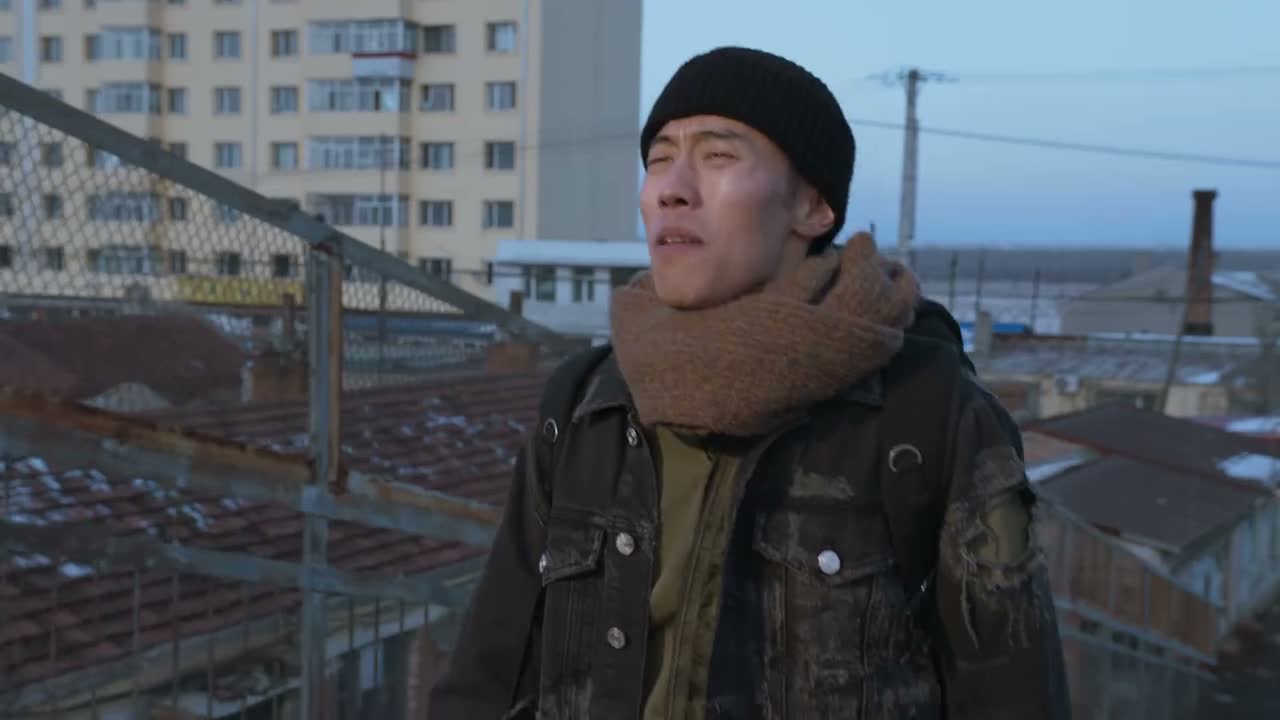
“Ren Xiaoming, stop running like a thief.”

“What's the rush? I haven't even started.”
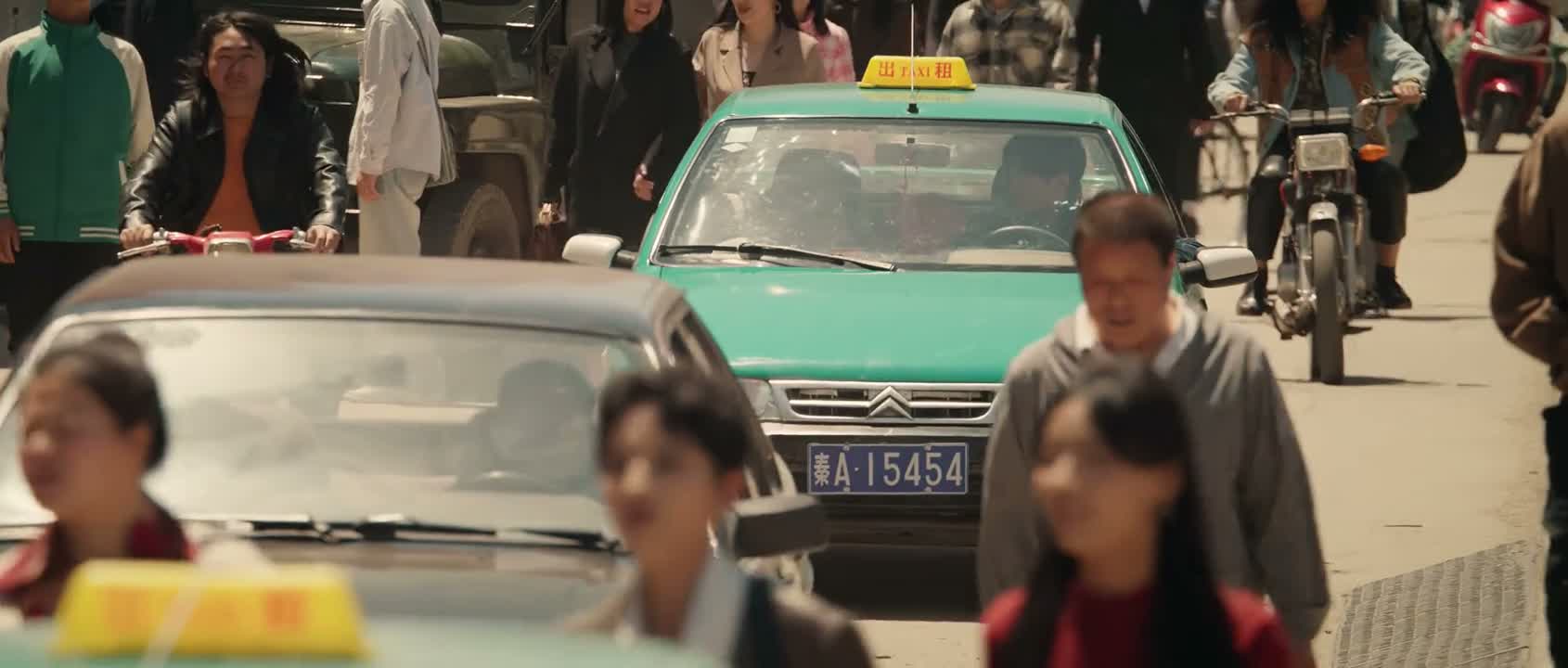
“What's everyone doing here?”

“Why are you running? I don't you want to wait too long.”
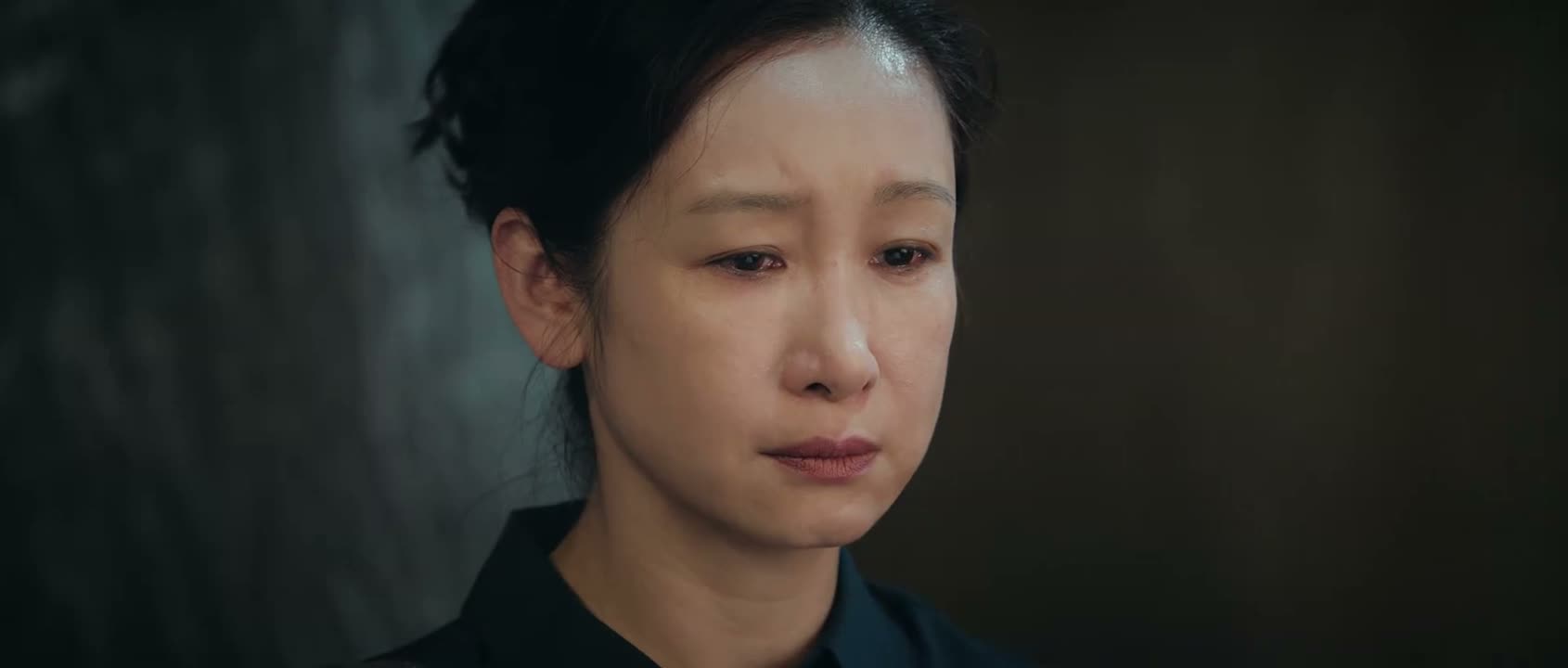
“What are you doing? What's the point?”

“Seriously? Can you just say it all at once?”