《Light to the Night》 S1·E25 (16:31)
HSK 2
shì wǒ de cuò
是我的错
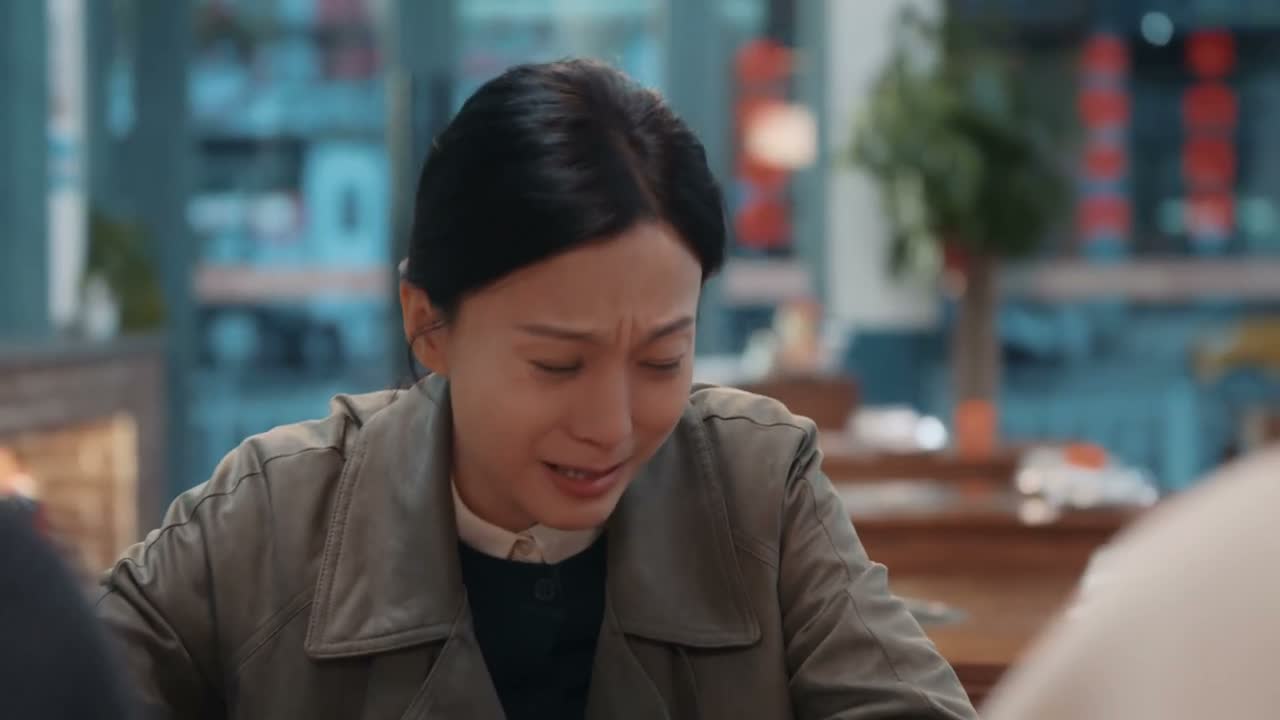
“It's my fault.”
《Light to the Night》
S1·E25
TIMECODE: 16:31
·
1080P MASTER AUDIO
THE DIALOGUE REEL
[-1] PREVIOUS TURN
hái shì zài shì gù zhōng bèi shāo le ?
还是在事故中被烧了?
“Or was it burned?”
shì wǒ de cuò
CURRENT FOCUS
是我的错
“It's my fault.”
[+1] FOLLOW-UP TURN
dōu shì wǒ de cuò
都是我的错
“All my fault.”
Subtitles synced to millisecond timecode
Browse Show Clips →
Scene:
Crisis & Conflict
Function:
ADMITTING FAULT
Tone:
REMORSEFUL AND SELF-BLAMING
Emotion:
GUILT
WHAT THEY REALLY MEAN (PRAGMATIC SUBTEXT)
Direct spoken expression in this communicative setting.
💡 Cultural Insight: Self-Blame and Moral Responsibility
In deeply emotional or tragic contexts, Chinese speakers often express total self-reproach to bear the moral burden and alleviate the other person's pain.
INTENT TAGS:
#apology
#confession
#remorse
#self_blame
🧩
1 CHUNKS · 0 PARTICLES
LEARNING CHUNKS & PARTICLES
是我的错
SPOKEN CHUNK
it is my fault
A direct and earnest way to take the blame for an error or disastrous outcome.
🏮
1 EXPR · 0 GRAMMAR
VOCABULARY & EXPRESSIONS
COLLOQUIAL EXPRESSIONS:
CROSS-CINEMA CORPUS BOARD · PARALLEL SCENES
EXPLORE BY SEMANTIC SIMILARITY
Parallel Spoken Cinema Scenes (语义近邻切片)
《Light to the Night》 S1·E25 (16:31) · Authentic Cinema Dialogue Corpus