《The Lead》 S1·E29 (26:03)
HSK 3
xiàn zài shàng yǒu shén me yòng a nǐ gāng cái gàn ma qù le
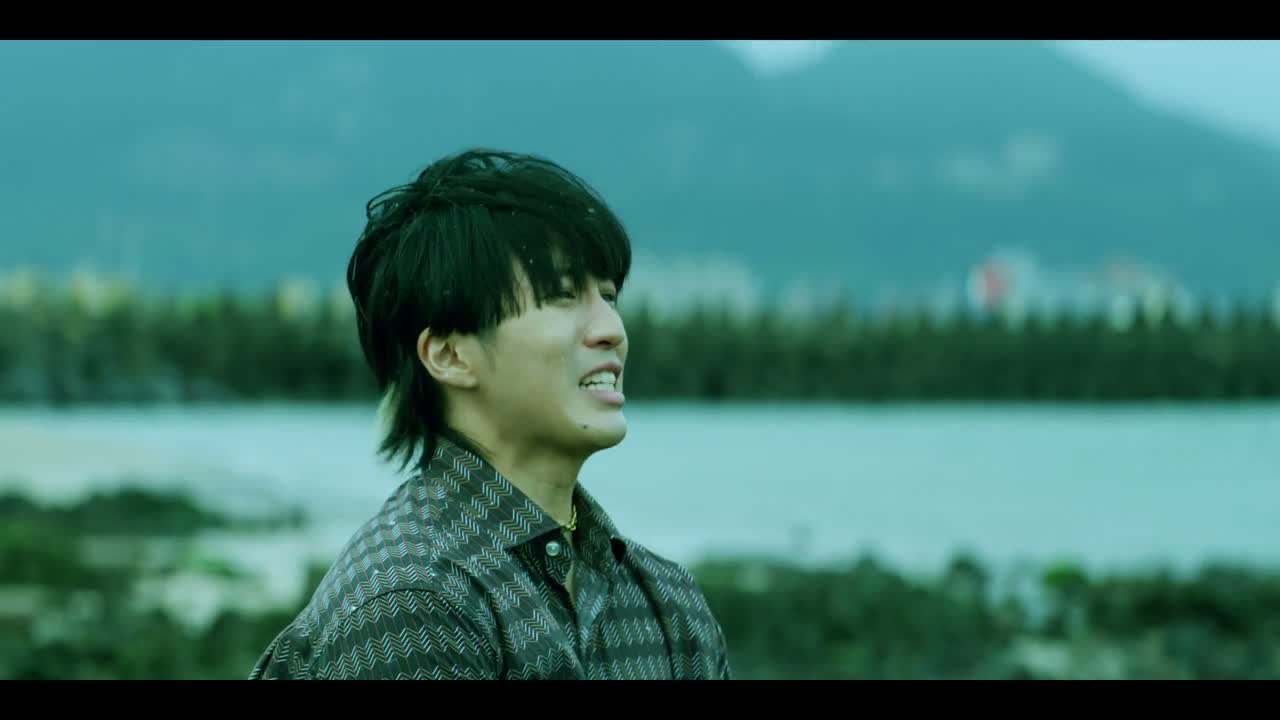
现在上有什么用啊 你刚才干吗去了
“What's the point now? What were you doing?”
《The Lead》
S1·E29
TIMECODE: 26:03
·
1080P MASTER AUDIO
THE DIALOGUE REEL
[-1] PREVIOUS TURN
gāi nǐ shàng le
该你上了
“You're up.”
xiàn zài shàng yǒu shén me yòng a nǐ gāng cái gàn ma qù le
CURRENT FOCUS
现在上 有什么用啊 你刚才 干吗去了
“What's the point now? What were you doing?”
[+1] FOLLOW-UP TURN
nǐ zhù yì lì jí zhōng yì diǎn
你注意力集中一点
“Focus a little.”
Subtitles synced to millisecond timecode
Browse Show Clips →
Scene:
Workplace
Function:
REPRIMANDING
Tone:
REPROACHFUL
Emotion:
ANNOYANCE
WHAT THEY REALLY MEAN (PRAGMATIC SUBTEXT)
“It's too late now! You completely blew the opportunity because you weren't paying attention.”
💡 Cultural Insight: Rhetorical Questioning in Direct Criticism
In high-stress spoken Chinese, rhetorical questions like '有什么用' and '干吗去了' serve as strong reprimands to highlight dereliction of duty rather than genuine information requests.
INTENT TAGS:
#reproach
#blame
#frustration
#criticism
🧩
2 CHUNKS · 1 PARTICLES
LEARNING CHUNKS & PARTICLES
有什么用
SPOKEN CHUNK
what's the use; it's pointless
A rhetorical question widely used to dismiss an action as futile or too late to make a difference.
干吗去了
SPOKEN CHUNK
what were you doing; where on earth were you
A colloquial accusation demanding to know why someone was absent or distracted during a crucial moment.
Modal Particle「啊」 (a)
CHANGE OF STATE
Heightens the rhetorical sharpness and emotional exasperation of the complaint.
🏮
2 EXPR · 0 GRAMMAR
VOCABULARY & EXPRESSIONS
COLLOQUIAL EXPRESSIONS:
CROSS-CINEMA CORPUS BOARD · PARALLEL SCENES
EXPLORE BY SEMANTIC SIMILARITY
Parallel Spoken Cinema Scenes (语义近邻切片)
《The Lead》 S1·E29 (26:03) · Authentic Cinema Dialogue Corpus