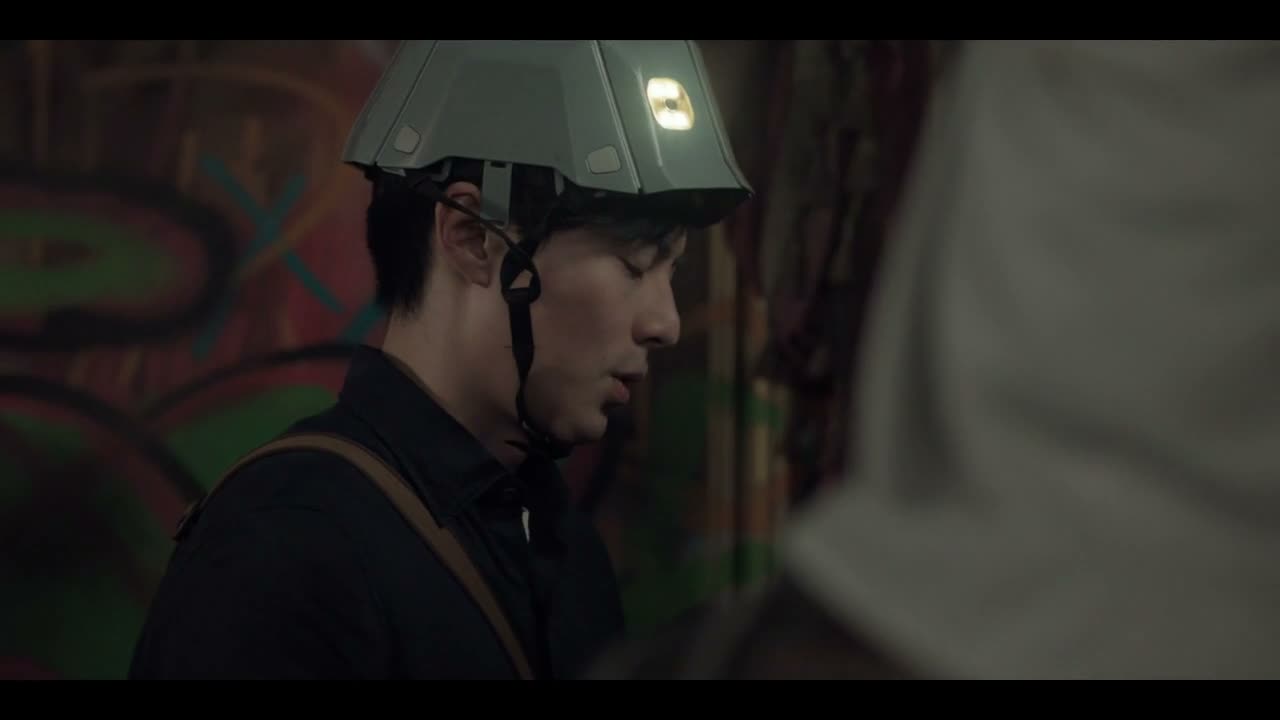
《The Lead》 S1·E29 (40:57)
HSK 4
yǒu shá kě xī de bù kě xī
有啥可惜的 不可惜
“Nothing to pity.”
《The Lead》
S1·E29
TIMECODE: 40:57
·
1080P MASTER AUDIO
THE DIALOGUE REEL
[-1] PREVIOUS TURN
nǐ zhè bù chàng le kě xī le ma
“It's be a pity that you quit singing.”
yǒu shá kě xī de bù kě xī
CURRENT FOCUS
有啥可惜的 不可 惜
“Nothing to pity.”
[+1] FOLLOW-UP TURN
lái gǔ yé kě xī kě xī
来 古爷 可惜可惜
“Come on, Master Gu. Such a pity.”
Subtitles synced to millisecond timecode
Browse Show Clips →
Scene:
Social & Dating
Function:
SAVING FACE
Tone:
RESOLUTE
Emotion:
RESIGNATION
WHAT THEY REALLY MEAN (PRAGMATIC SUBTEXT)
“Please don't pity me; I need to pretend this doesn't bother me.”
💡 Cultural Insight: Mianzi (Face-saving) Regarding Career Retirement
Chinese artists and professionals often minimize personal loss or retirement disappointment in public to avoid appearing pathetic or unfulfilled.
INTENT TAGS:
#face_saving
#deflecting_sympathy
#stoicism
🧩
1 CHUNKS · 0 PARTICLES
LEARNING CHUNKS & PARTICLES
有啥可惜的
SPOKEN CHUNK
what is there to be sorry about?; no big loss
A colloquial northern-style rhetorical question used to brush off expressions of sympathy.
🏮
2 EXPR · 0 GRAMMAR
VOCABULARY & EXPRESSIONS
COLLOQUIAL EXPRESSIONS:
CROSS-CINEMA CORPUS BOARD · PARALLEL SCENES
EXPLORE BY SEMANTIC SIMILARITY
Parallel Spoken Cinema Scenes (语义近邻切片)

《The Lead》 S1·E29 (40:57) · Authentic Cinema Dialogue Corpus