MC
MandarinClips Cinema Corpus
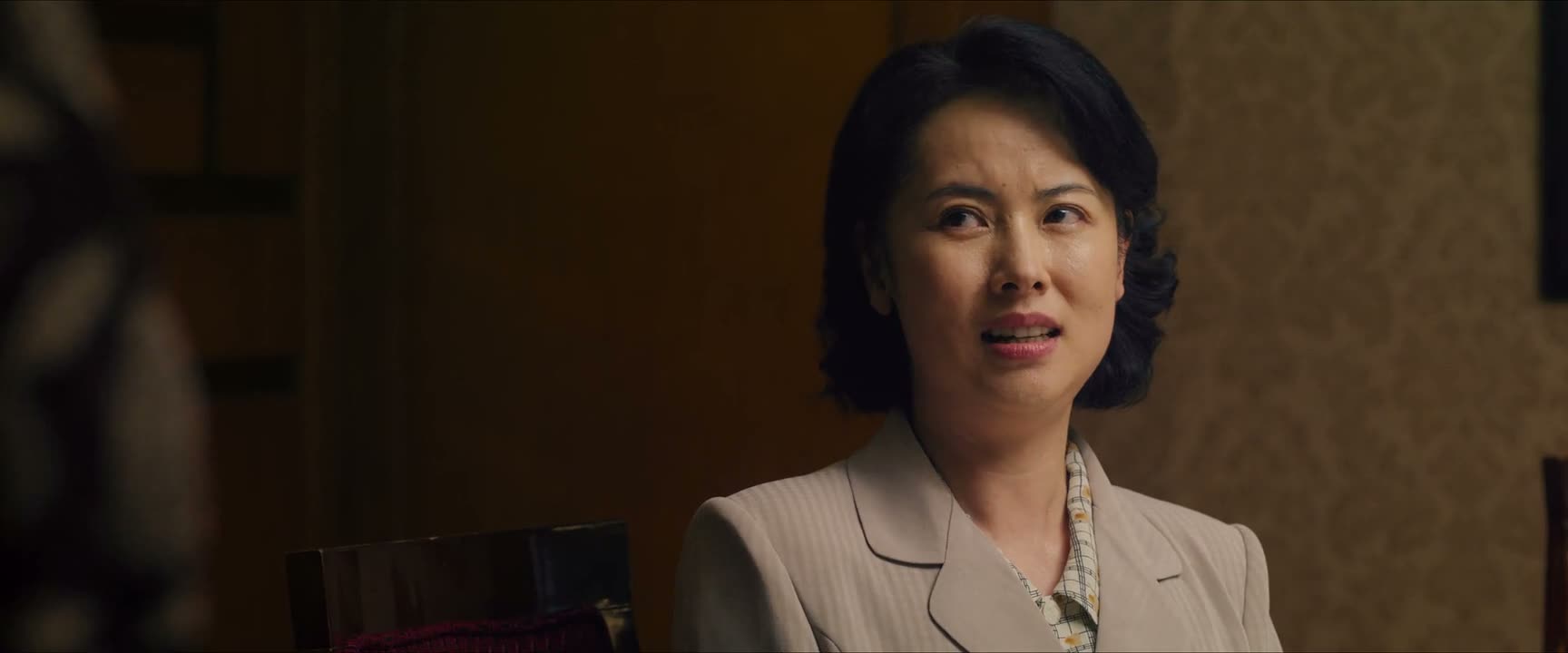
《Love Story in the 1970s》 S1·E21 (21:53) HSK 4
jì rán nǐ dōu fā huà le yī huì kàn wǒ de

既然你都发话了 一会看我的

“Now that you've asked, leave it to me.”

《Love Story in the 1970s》 S1·E21
TIMECODE: 21:53 · 1080P MASTER AUDIO

THE DIALOGUE REEL

1+1+1 SPOKEN CONTINUITY
[-1] PREVIOUS TURN wǒ duì fèi ní hái yǒu gǎn qíng wǒ cái méi shuō

我对费霓还有感情 我才没说

“you'd think I still had feelings for her.”

jì rán nǐ dōu fā huà le yī huì kàn wǒ de CURRENT FOCUS

既然 你都发话了 一会 看我的

“Now that you've asked, leave it to me.”

[+1] FOLLOW-UP TURN qú huà tóng zhì a

瞿桦同志啊

“Comrade Qu Hua,”

Subtitles synced to millisecond timecode Browse Show Clips →
Scene: Social & Dating
Function: OFFERING SUPPORT
Tone: ASSERTIVE AND SUPPORTIVE
Emotion: CONFIDENCE
WHAT THEY REALLY MEAN (PRAGMATIC SUBTEXT)

Direct spoken expression in this communicative setting.

💡 Cultural Insight: Stepping Up for a Peer (Chutou)

Offering to handle a delicate personal matter after a friend expresses their feelings reflects a common social norm of mutual loyalty and face-saving intervention.

INTENT TAGS: #reassurance #taking_action #solidarity #confidence
🧩

LEARNING CHUNKS & PARTICLES

3 CHUNKS · 1 PARTICLES
既然 SPOKEN CHUNK

since; now that

Used at the start of a clause to state a premise that leads to an inevitable conclusion or decision.

发话 SPOKEN CHUNK

to give word; to give an order or instruction

Often used to acknowledge that someone of influence or relevance has given permission or a directive.

看我的 SPOKEN CHUNK

leave it to me; watch me handle it

A highly colloquial, confident idiom to tell others to step back and let you solve the problem.

Modal Particle「了」 (le) CHANGE OF STATE

Marks the completion of the condition (the person having already spoken), prompting the next action.
🏮

VOCABULARY & EXPRESSIONS

3 EXPR · 0 GRAMMAR
CROSS-CINEMA CORPUS BOARD · PARALLEL SCENES

Parallel Spoken Cinema Scenes (语义近邻切片)

EXPLORE BY SEMANTIC SIMILARITY
《Love Story in the 1970s》 S1·E21 (21:53) · Authentic Cinema Dialogue Corpus