《The Heir》 S1·E12 (26:20)
HSK 7
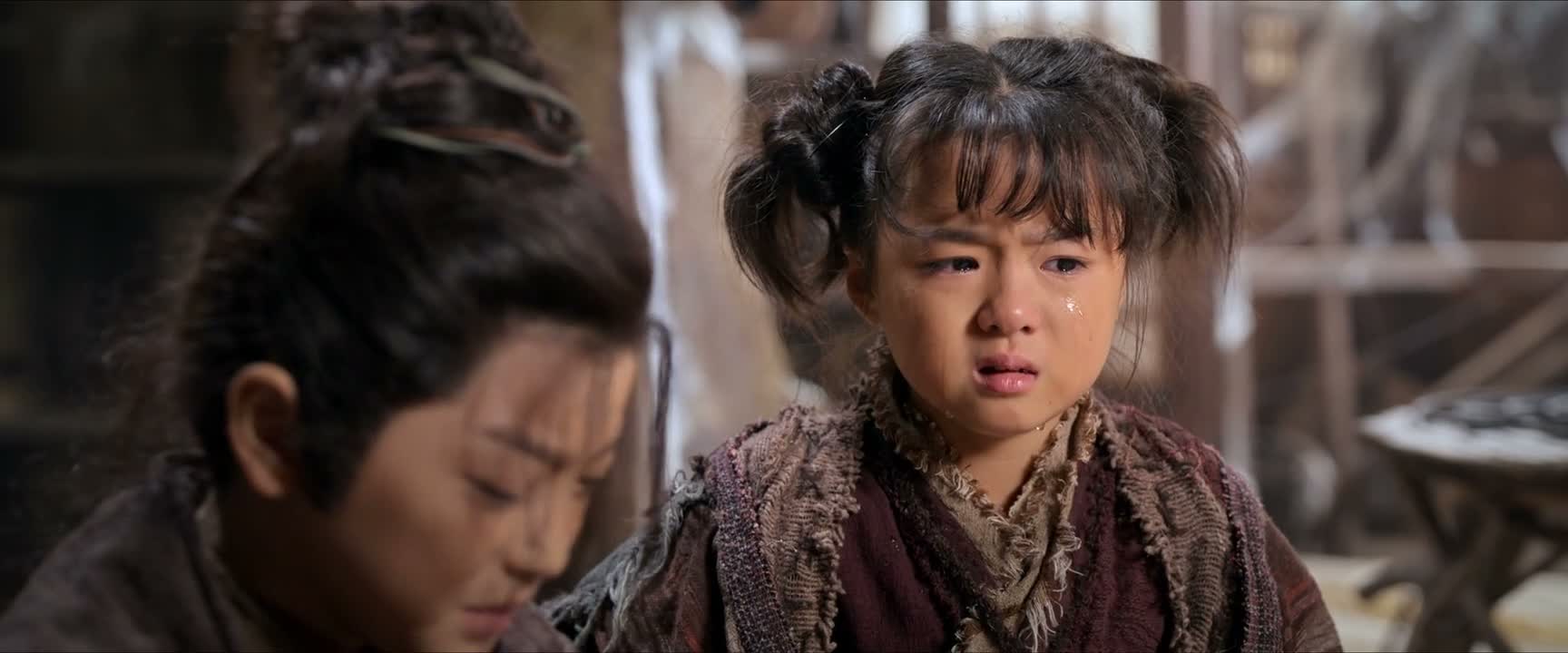
wǒ diē zǒu dé tài zǎo le
我爹走得太早了
“My father passed away too early.”
《The Heir》
S1·E12
TIMECODE: 26:20
·
1080P MASTER AUDIO
THE DIALOGUE REEL
[-1] PREVIOUS TURN
kě xī a
可惜啊
“What a pity.”
wǒ diē zǒu dé tài zǎo le
CURRENT FOCUS
我爹 走得太早了
“My father passed away too early.”
[+1] FOLLOW-UP TURN
nà zán men tóng bìng xiāng lián wǒ diē zǒu dé yě zǎo
那咱们 同病相怜 我爹走得也早
“Then, we are in the same boat. My father passed away early too.”
Subtitles synced to millisecond timecode
Browse Show Clips →
Scene:
Social & Dating
Function:
SHARING VULNERABILITY
Tone:
MOURNFUL AND REFLECTIVE
Emotion:
SADNESS
WHAT THEY REALLY MEAN (PRAGMATIC SUBTEXT)
Direct spoken expression in this communicative setting.
💡 Cultural Insight: Taboo on Direct Words for Death
Chinese speakers customarily avoid blunt words like '死' (die), preferring euphemisms like '走了' (left) when speaking of loved ones.
INTENT TAGS:
#grief
#euphemism
#self_disclosure
#lament
🧩
1 CHUNKS · 1 PARTICLES
LEARNING CHUNKS & PARTICLES
走得太早
SPOKEN CHUNK
passed away too early; died prematurely
A common, respectful euphemism for death ('走' meaning 'to leave/pass on').
Modal Particle「了」 (le)
CHANGE OF STATE
Indicates an unfortunate past event and adds an emotional sigh of finality.
🏮
1 EXPR · 1 GRAMMAR
VOCABULARY & EXPRESSIONS
COLLOQUIAL EXPRESSIONS:
GRAMMAR BLUEPRINTS:
CROSS-CINEMA CORPUS BOARD · PARALLEL SCENES
EXPLORE BY SEMANTIC SIMILARITY
Parallel Spoken Cinema Scenes (语义近邻切片)

《The Heir》 S1·E12 (26:20) · Authentic Cinema Dialogue Corpus