MC
MandarinClips Cinema Corpus
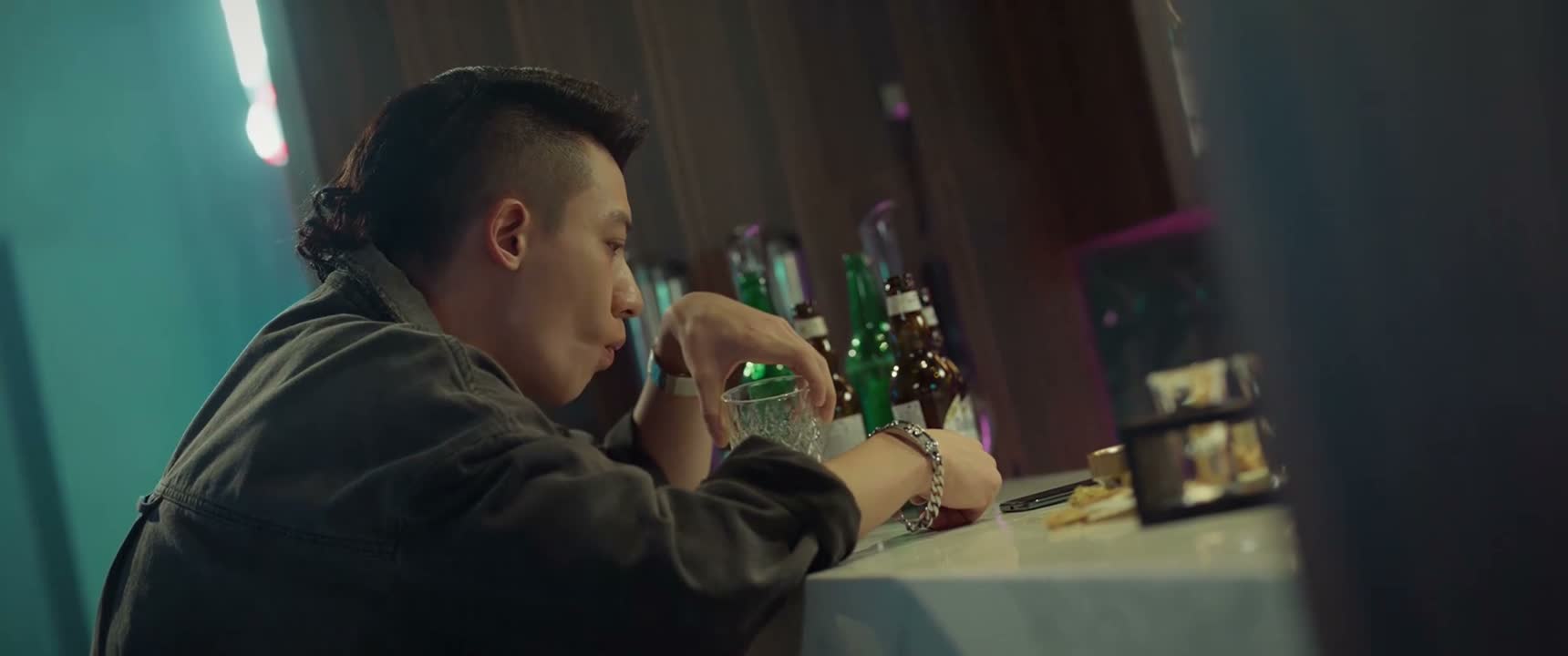
《The Truth》 S1·E19 (05:12) HSK 1
jiào shén me lái zhe

叫什么来着

“What's his name again?”

《The Truth》 S1·E19
TIMECODE: 05:12 · 1080P MASTER AUDIO

THE DIALOGUE REEL

1+1+1 SPOKEN CONTINUITY
[-1] PREVIOUS TURN yǒu a

有啊

“Yeah.”

jiào shén me lái zhe CURRENT FOCUS

叫什么来着

“What's his name again?”

[+1] FOLLOW-UP TURN dīng yǒu cái de qī zǐ hé ér zi hé tā bù zài yí gè hù kǒu běn shàng ma

丁有财的妻子和儿子 和他不在一个户口本上吗

“Weren't Ding Youcai's wife and son on the same hukou registration as him?”

Subtitles synced to millisecond timecode Browse Show Clips →
Scene: Legal & Police
Function: RECALLING INFORMATION
Tone: SEARCHING
Emotion: PERPLEXITY
WHAT THEY REALLY MEAN (PRAGMATIC SUBTEXT)

Direct spoken expression in this communicative setting.

💡 Cultural Insight: Conversational Memory Retrieval (Lai Zhe)

The sentence-final particle 'laizhe' is an essential feature of spoken Mandarin that signals to listeners that the speaker once knew the answer and invites them to fill in the blank.

INTENT TAGS: #recalling #inquiry #memory_lapse #prompting
🧩

LEARNING CHUNKS & PARTICLES

1 CHUNKS · 1 PARTICLES
叫什么来着 SPOKEN CHUNK

what was it called again / what was their name again

A highly colloquial northern phrase used when trying to recall a specific name that momentarily slipped your mind.

Modal Particle「来着」 (laizhe) CHANGE OF STATE

Indicates a past situation or fact that the speaker is currently trying to recall.

🏮

VOCABULARY & EXPRESSIONS

1 EXPR · 0 GRAMMAR
CROSS-CINEMA CORPUS BOARD · PARALLEL SCENES

Parallel Spoken Cinema Scenes (语义近邻切片)

EXPLORE BY SEMANTIC SIMILARITY
《The Truth》 S1·E19 (05:12) · Authentic Cinema Dialogue Corpus