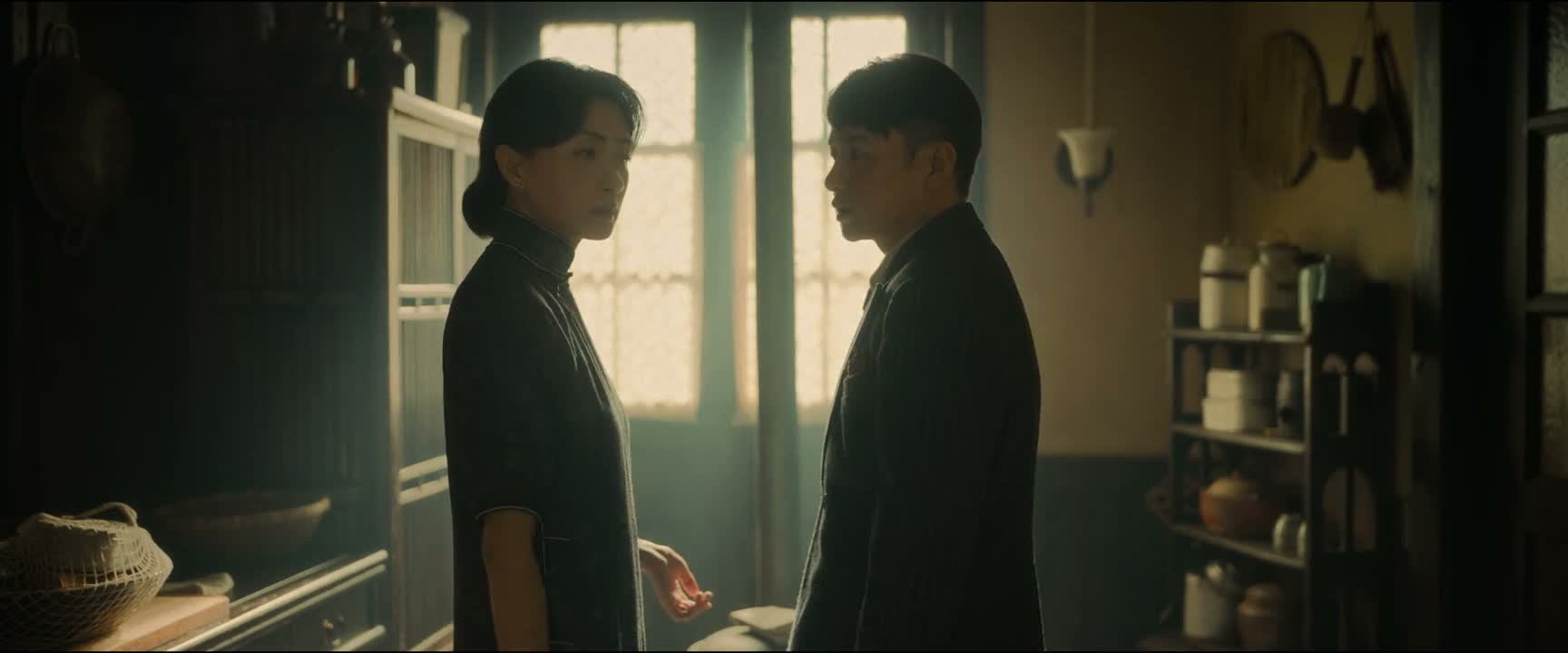
《Love Has Fireworks》 S1·E2 (08:10)
HSK 5
shuí ya nǐ men gēn wǒ men qù jiǔ bā bei
谁呀你们 跟我们去酒吧呗
“Who are you? Why don't you come to a bar with us?”
《Love Has Fireworks》
S1·E2
TIMECODE: 08:10
·
1080P MASTER AUDIO
THE DIALOGUE REEL
[-1] PREVIOUS TURN
yí gè rén zài zhè ér hē jiǔ ne
一个人在这儿喝酒呢
“drinking here all by yourself?”
shuí ya nǐ men gēn wǒ men qù jiǔ bā bei
CURRENT FOCUS
谁呀 你们 跟我们去酒吧 呗
“Who are you? Why don't you come to a bar with us?”
[+1] FOLLOW-UP TURN
wǒ qǐng nǐ
我请你
“My treat.”
Subtitles synced to millisecond timecode
Browse Show Clips →
Scene:
Social & Dating
Function:
EXTENDING INVITATION
Tone:
CASUAL AND FORWARD
Emotion:
CURIOSITY
WHAT THEY REALLY MEAN (PRAGMATIC SUBTEXT)
“You look intriguing drinking alone; come hang out with us instead.”
💡 Cultural Insight: Spontaneous Socializing Culture
In Chinese urban nightlife, approaching solitary drinkers with casual banter is common among younger crowds, often using particle-heavy speech to appear non-threatening.
INTENT TAGS:
#inviting
#flirting
#initiating_contact
#persuasion
🧩
1 CHUNKS · 2 PARTICLES
LEARNING CHUNKS & PARTICLES
跟我们去……呗
SPOKEN CHUNK
why don't you come to ... with us?
A very casual and persuasive way to suggest an activity or invite someone along.
Modal Particle「呀」 (ya)
CHANGE OF STATE
Softens the blunt rhetorical question 'who are you', making it sound inquisitive or teasing rather than aggressive.
Modal Particle「呗」 (bei)
CHANGE OF STATE
Adds a breezy, casual tone of suggestion, framing the invitation as an easy, obvious choice.
🏮
2 EXPR · 0 GRAMMAR
VOCABULARY & EXPRESSIONS
COLLOQUIAL EXPRESSIONS:
CROSS-CINEMA CORPUS BOARD · PARALLEL SCENES
EXPLORE BY SEMANTIC SIMILARITY
Parallel Spoken Cinema Scenes (语义近邻切片)
《Love Has Fireworks》 S1·E2 (08:10) · Authentic Cinema Dialogue Corpus