MC
MandarinClips Cinema Corpus
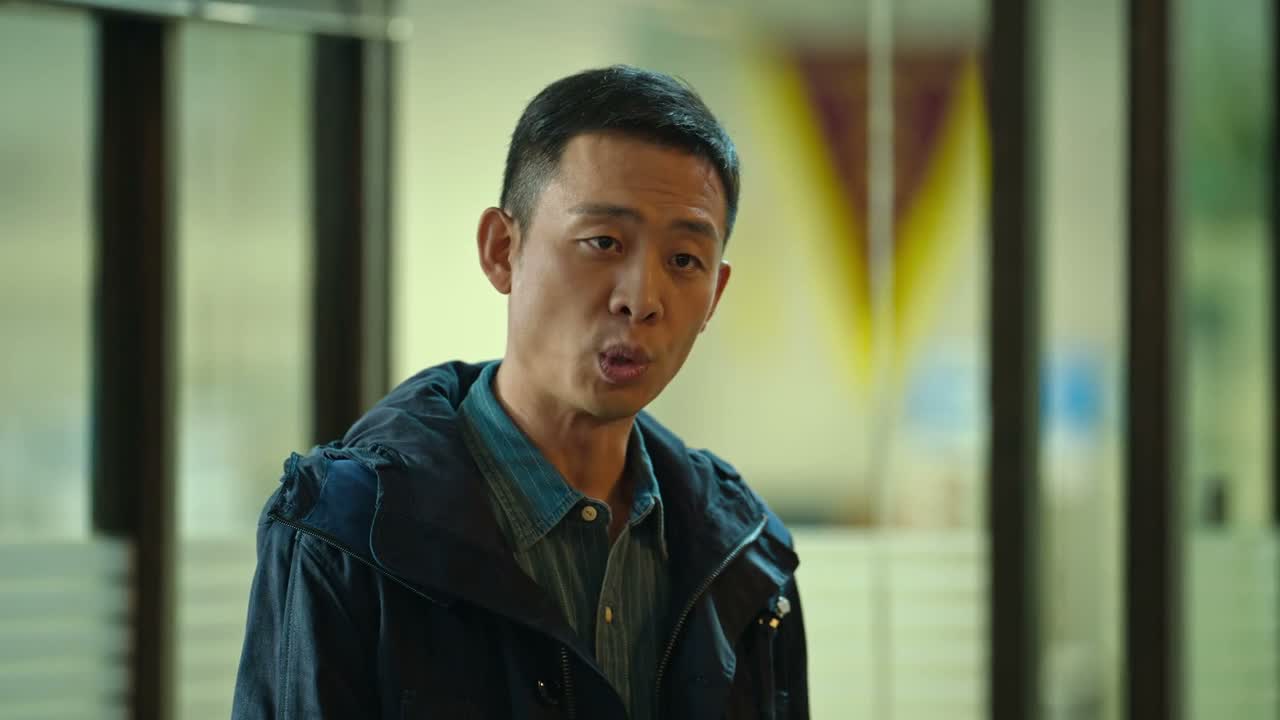
《How Dare You!?》 S1·E1 (36:07) HSK 3
nǐ bǎ tā xiǎng jiǎn dān le

你把他想简单了

“It's not that simple.”

《How Dare You!?》 S1·E1
TIMECODE: 36:07 · 1080P MASTER AUDIO

THE DIALOGUE REEL

1+1+1 SPOKEN CONTINUITY
[-1] PREVIOUS TURN bǎ huáng wèi ràng gěi tā

把皇位让给他

“and give him the throne.”

nǐ bǎ tā xiǎng jiǎn dān le CURRENT FOCUS

你把他 想简单了

“It's not that simple.”

[+1] FOLLOW-UP TURN yuán wén lǐ xià hóu pō gēn nǐ chóu shēn shì hǎi huáng wèi kě méi yǒu hèn nǐ zhòng yào a

原文里夏侯泊跟你仇深似海 皇位可没有恨你重要啊

“In the original story, Xiahou Bo held a deep grudge against you. The throne means nothing compared to his hatred.”

Subtitles synced to millisecond timecode Browse Show Clips →
Scene: Social & Dating
Function: WARNING AND REFUTATION
Tone: CAUTIONARY
Emotion: ANXIETY
WHAT THEY REALLY MEAN (PRAGMATIC SUBTEXT)
“Don't be so naive; his obsession with destroying you runs way deeper than mere political gain.”
💡 Cultural Insight: Pragmatic Realism vs. Naivety

Chinese interpersonal strategy strongly values reading hidden motives; accusing someone of '把人想简单了' is a direct push to acknowledge deep human malice or complex interpersonal grudges.

INTENT TAGS: #warning #reality_check #caution #disillusionment
🧩

LEARNING CHUNKS & PARTICLES

2 CHUNKS · 1 PARTICLES
想简单了 SPOKEN CHUNK

oversimplify; take things too lightly

A common colloquial phrase used to caution someone against naive or overly optimistic assumptions.

把...想简单了 SPOKEN CHUNK

underestimate someone/something; think of someone/something too simply

A classic '把' construction frame used to point out that someone is failing to see underlying complexity or danger.

Modal Particle「了」 (le) CHANGE OF STATE

Marks an updated evaluation or realization that the listener's assessment is flawed.
🏮

VOCABULARY & EXPRESSIONS

1 EXPR · 0 GRAMMAR
COLLOQUIAL EXPRESSIONS:
CROSS-CINEMA CORPUS BOARD · PARALLEL SCENES

Parallel Spoken Cinema Scenes (语义近邻切片)

EXPLORE BY SEMANTIC SIMILARITY
《How Dare You!?》 S1·E1 (36:07) · Authentic Cinema Dialogue Corpus