MC
MandarinClips Cinema Corpus
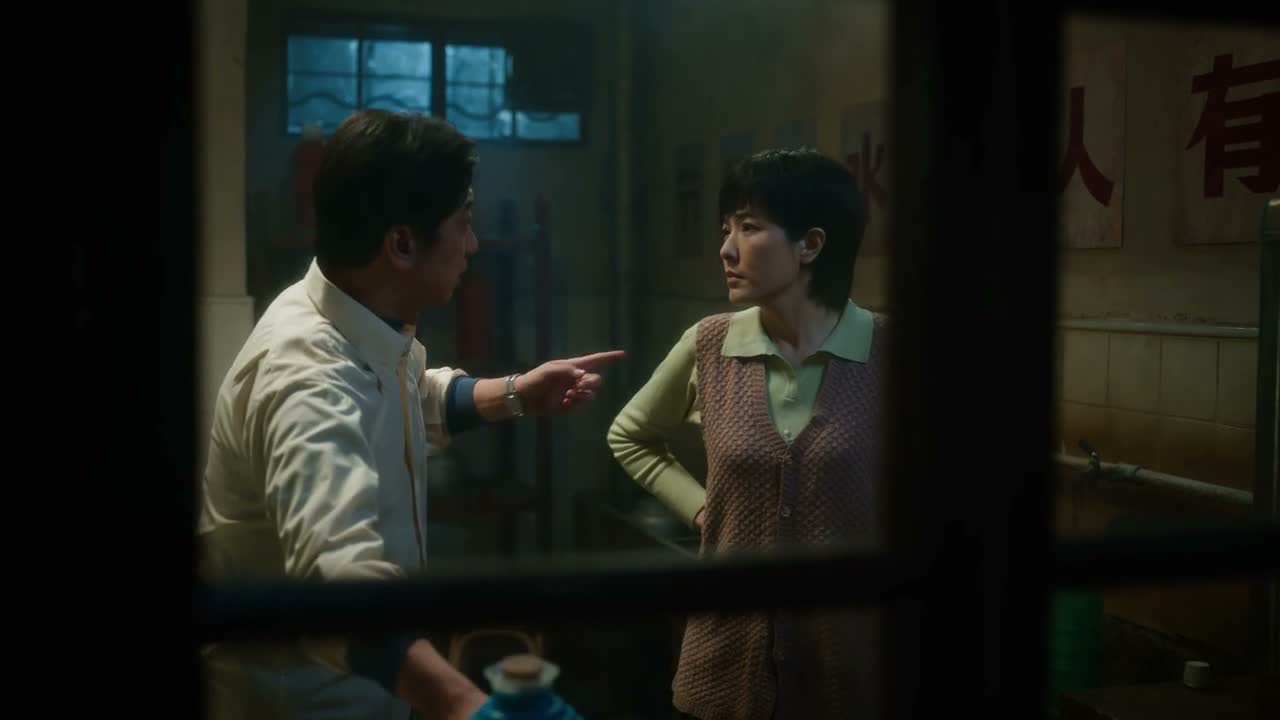
《Live up to Your Youth》 S1·E27 (42:46) HSK 2
nǐ zǎ le hái ér a

你咋了 孩儿啊

“Are you alright? Kid!”

《Live up to Your Youth》 S1·E27
TIMECODE: 42:46 · 1080P MASTER AUDIO

THE DIALOGUE REEL

1+1+1 SPOKEN CONTINUITY
[-1] PREVIOUS TURN zěn me le zěn me le

怎么了 怎么了

“What's wrong? What's wrong?”

nǐ zǎ le hái ér a CURRENT FOCUS

你咋了 孩儿啊

“Are you alright? Kid!”

[+1] FOLLOW-UP TURN jiào jiù hù chē

叫救护车

“Go call an ambulance!”

Subtitles synced to millisecond timecode Browse Show Clips →
Scene: Crisis & Conflict
Function: EXPRESSING CONCERN
Tone: FRANTIC
Emotion: ANXIETY
WHAT THEY REALLY MEAN (PRAGMATIC SUBTEXT)

Direct spoken expression in this communicative setting.

💡 Cultural Insight: Parental Emotional Vocatives

In Chinese culture, calling out '孩儿啊' expresses raw visceral parental panic and protective instinct during acute emergencies.

INTENT TAGS: #inquiry #panic #concern #emotional_outcry
🧩

LEARNING CHUNKS & PARTICLES

2 CHUNKS · 1 PARTICLES
你咋了 SPOKEN CHUNK

what's wrong with you / what happened to you

A highly colloquial Northern spoken alternative to '你怎么了', used to ask about sudden distress or unusual behavior.

孩儿啊 SPOKEN CHUNK

my child / son / daughter

An affectionate and emotional Northern vocative used by parents when addressing their offspring, especially in moments of distress.

Modal Particle「啊」 (a) CHANGE OF STATE

Enhances emotional urgency and deep distress in the vocative call.

🏮

VOCABULARY & EXPRESSIONS

1 EXPR · 0 GRAMMAR
COLLOQUIAL EXPRESSIONS:
CROSS-CINEMA CORPUS BOARD · PARALLEL SCENES

Parallel Spoken Cinema Scenes (语义近邻切片)

EXPLORE BY SEMANTIC SIMILARITY
《Live up to Your Youth》 S1·E27 (42:46) · Authentic Cinema Dialogue Corpus