MC
MandarinClips Cinema Corpus
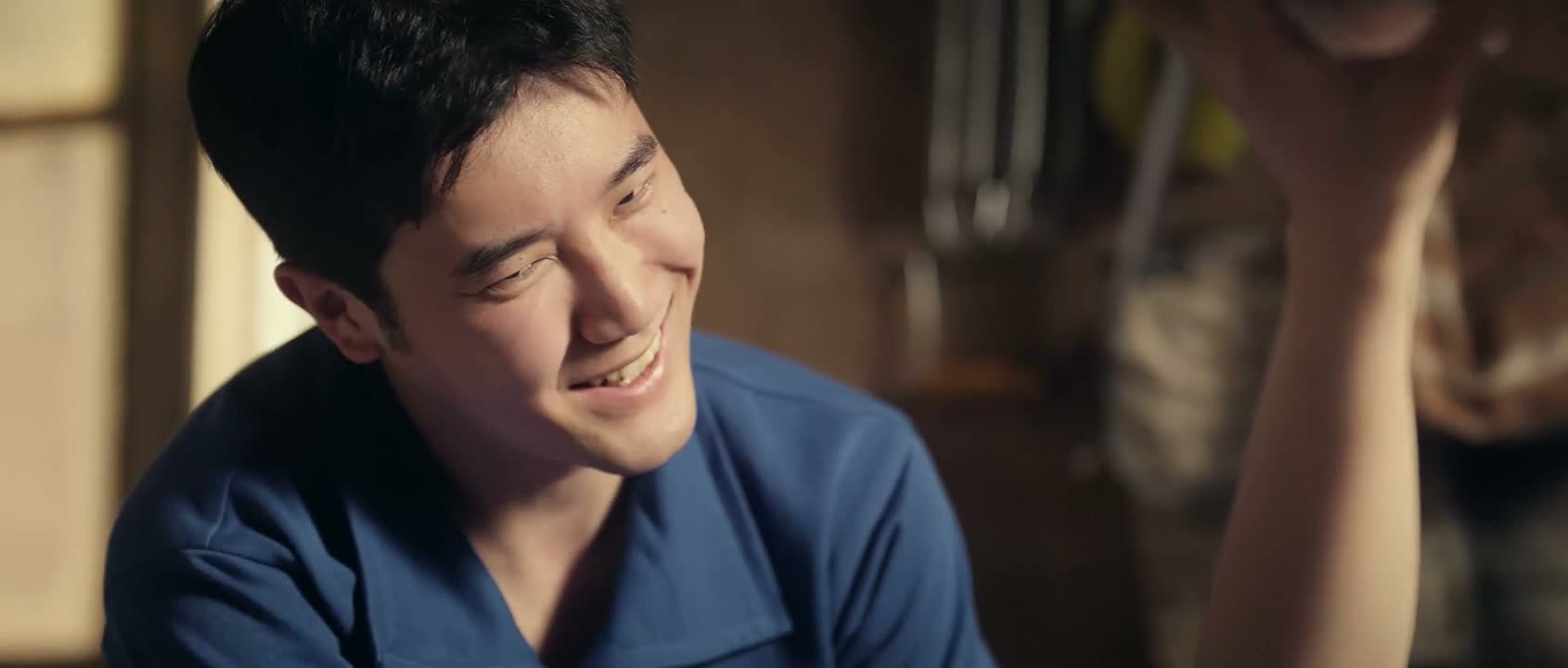
《The Lead》 S1·E19 (03:48) HSK 7
nǐ kàn nǐ nǐ kàn nǐ a qiáo bǎ nǐ gěi zhāng ( chāng kuáng ) de nǐ kàn

你看你 你看你啊 瞧把你给张(猖狂)的 你看

“Look at you. Look how arrogant you are.”

《The Lead》 S1·E19
TIMECODE: 03:48 · 1080P MASTER AUDIO

THE DIALOGUE REEL

1+1+1 SPOKEN CONTINUITY
[-1] PREVIOUS TURN nǎ yí gè chāo guò wǒ men zhè shāo huǒ de yā tou le ma

“Which one of you is better than our kitchen maid?”

nǐ kàn nǐ nǐ kàn nǐ a qiáo bǎ nǐ gěi zhāng ( chāng kuáng ) de nǐ kàn CURRENT FOCUS

你看你 你看你 啊 瞧把你给张(猖狂)的 你看

“Look at you. Look how arrogant you are.”

[+1] FOLLOW-UP TURN zhāng ( chāng kuáng ) de wǒ hái méi shàng tiān ne wǒ

张(猖狂)的 我还没上天呢我

“Arrogant? I'm being modest now.”

Subtitles synced to millisecond timecode Browse Show Clips →
Scene: Social & Dating
Function: PLAYFUL REPROACH
Tone: TEASING
Emotion: JOY
WHAT THEY REALLY MEAN (PRAGMATIC SUBTEXT)
“Don't get too smug just because you think you're impressive.”
💡 Cultural Insight: Playful Deflation

In close Chinese relationships, people often playfully deflate someone's ego ('瞧把你给张的') to show intimacy without intending real insult.

INTENT TAGS: #teasing #banter #playful_scolding #affection
🧩

LEARNING CHUNKS & PARTICLES

2 CHUNKS · 1 PARTICLES
瞧把你给……的 SPOKEN CHUNK

Look how [adjective] you have become / Look at you being so [adjective]

A common colloquial structure used to tease or playfully criticize someone's exaggerated behavior or emotional state.

你看你 SPOKEN CHUNK

Look at you / Just look at yourself

Used to draw attention to someone's current state, often conveying gentle disapproval, teasing, or exasperation.

Modal Particle「啊」 (a) CHANGE OF STATE

Softens the direct critique and turns the statement into playful, familiar banter.
🏮

VOCABULARY & EXPRESSIONS

1 EXPR · 0 GRAMMAR
COLLOQUIAL EXPRESSIONS:
CROSS-CINEMA CORPUS BOARD · PARALLEL SCENES

Parallel Spoken Cinema Scenes (语义近邻切片)

EXPLORE BY SEMANTIC SIMILARITY
《The Lead》 S1·E19 (03:48) · Authentic Cinema Dialogue Corpus