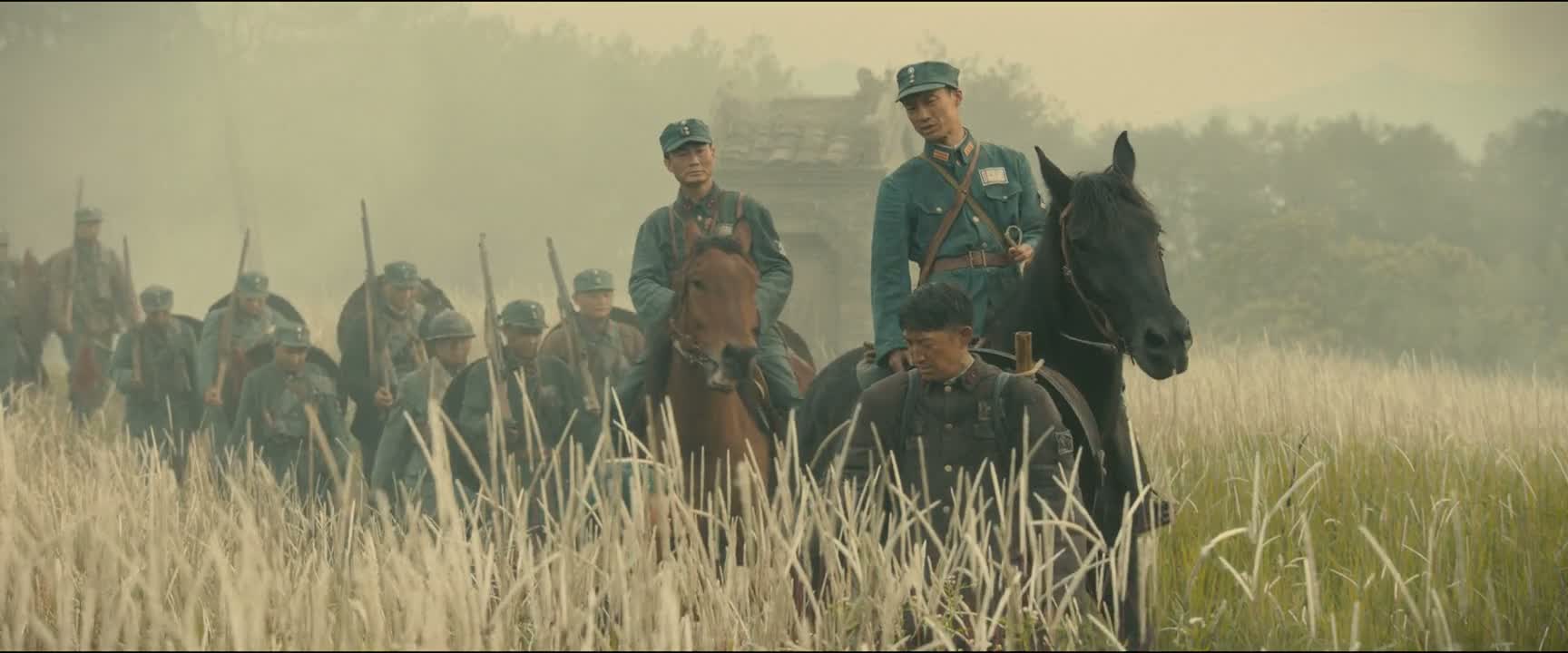
《Love Has Fireworks》 S1·E16 (20:35)
HSK 4
nǐ nòng shén me ne zhè liǎng tiān
你弄什么呢这两天
“What have you been working on these past two days?”
《Love Has Fireworks》
S1·E16
TIMECODE: 20:35
·
1080P MASTER AUDIO
THE DIALOGUE REEL
[-1] PREVIOUS TURN
kě yǐ chī fàn le
可以吃饭了
“Now, I can eat.”
nǐ nòng shén me ne zhè liǎng tiān
CURRENT FOCUS
你 弄什么呢 这两天
“What have you been working on these past two days?”
[+1] FOLLOW-UP TURN
zhè rén yǐng dōu méi le
这人影都没了
“You just vanished.”
Subtitles synced to millisecond timecode
Browse Show Clips →
Scene:
Daily Life
Function:
INQUIRY
Tone:
INQUISITIVE
Emotion:
CURIOSITY
WHAT THEY REALLY MEAN (PRAGMATIC SUBTEXT)
“Where on earth have you been hiding lately? You never show up.”
💡 Cultural Insight: Casual Scrutiny as Familiar Care
Asking directly where someone has been without greeting first reflects closeness and domestic intimacy rather than intrusive interrogation.
INTENT TAGS:
#inquiry
#checking_in
#informal_grumbling
#curiosity
🧩
2 CHUNKS · 1 PARTICLES
LEARNING CHUNKS & PARTICLES
弄什么呢
SPOKEN CHUNK
what are you doing / up to
A very colloquial spoken alternative to '在干什么呢', common in northern dialects.
人影都没了
SPOKEN CHUNK
nowhere to be seen / disappeared completely
Used colloquially to describe someone vanishing without a trace.
Modal Particle「呢」 (ne)
CHANGE OF STATE
Softens the inquiry while marking ongoing state or action.
🏮
1 EXPR · 0 GRAMMAR
VOCABULARY & EXPRESSIONS
COLLOQUIAL EXPRESSIONS:
CROSS-CINEMA CORPUS BOARD · PARALLEL SCENES
EXPLORE BY SEMANTIC SIMILARITY
Parallel Spoken Cinema Scenes (语义近邻切片)
《Love Has Fireworks》 S1·E16 (20:35) · Authentic Cinema Dialogue Corpus