再鲜活的心 也无法救活一个死去的人吗
“♪ To hold onto the broken dreams ♪ even the freshest heart cannot revive someone who has already died? ♪ Maybe then I could finally let go of regret ♪”
THE DIALOGUE REEL
所以你就去杀人 身为医者 你难道不知
“So you went around killing people? ♪ If I no longer needed ♪ As a physician, don't you know that ♪ To hold onto the broken dreams ♪”
再鲜活的心 也 无法救活 一个死去的人吗
“♪ To hold onto the broken dreams ♪ even the freshest heart cannot revive someone who has already died? ♪ Maybe then I could finally let go of regret ♪”
我的换心之术
“♪ Don't sigh for me ♪ My heart transplant technique”
“All these sacrifices were entirely in vain; death is irreversible.”
In traditional Chinese thought, tampering unnaturally with mortality disrupts heaven's mandate (Tiandao) and brings tragic retribution.
LEARNING CHUNKS & PARTICLES
a deceased person
Standard phrase referring to someone who has passed away.
to revive; to bring back to life
A resultative verb compound denoting successful resuscitation or curing.
Forms a poignant rhetorical question emphasizing disbelief and tragic realization.
VOCABULARY & EXPRESSIONS
Parallel Spoken Cinema Scenes (语义近邻切片)

“and broken in spirit,”

“You'd better give up now.”

“Living on someone's pity?”
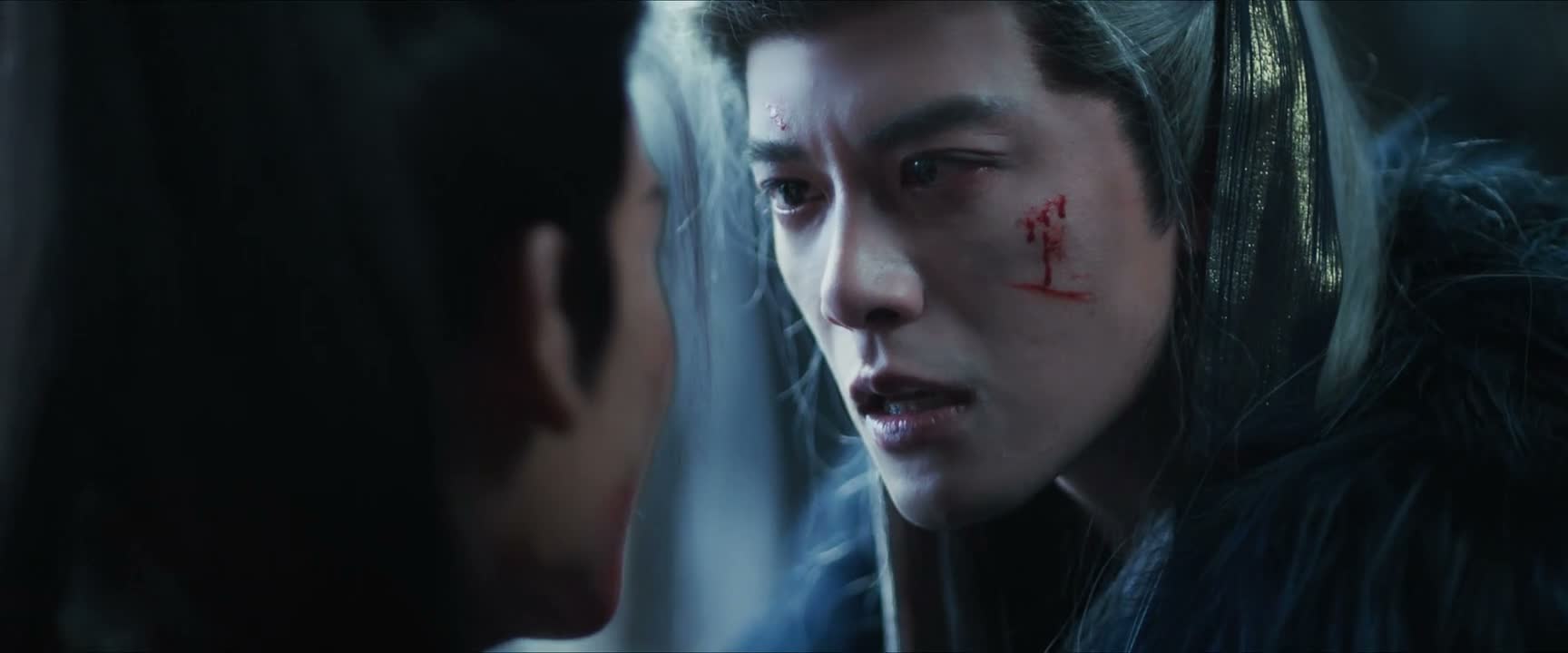
“Because my heart died long ago.”

“Even 100 hearts can't bring him back.”

“You'd better just give up on that idea. That's absurd!”