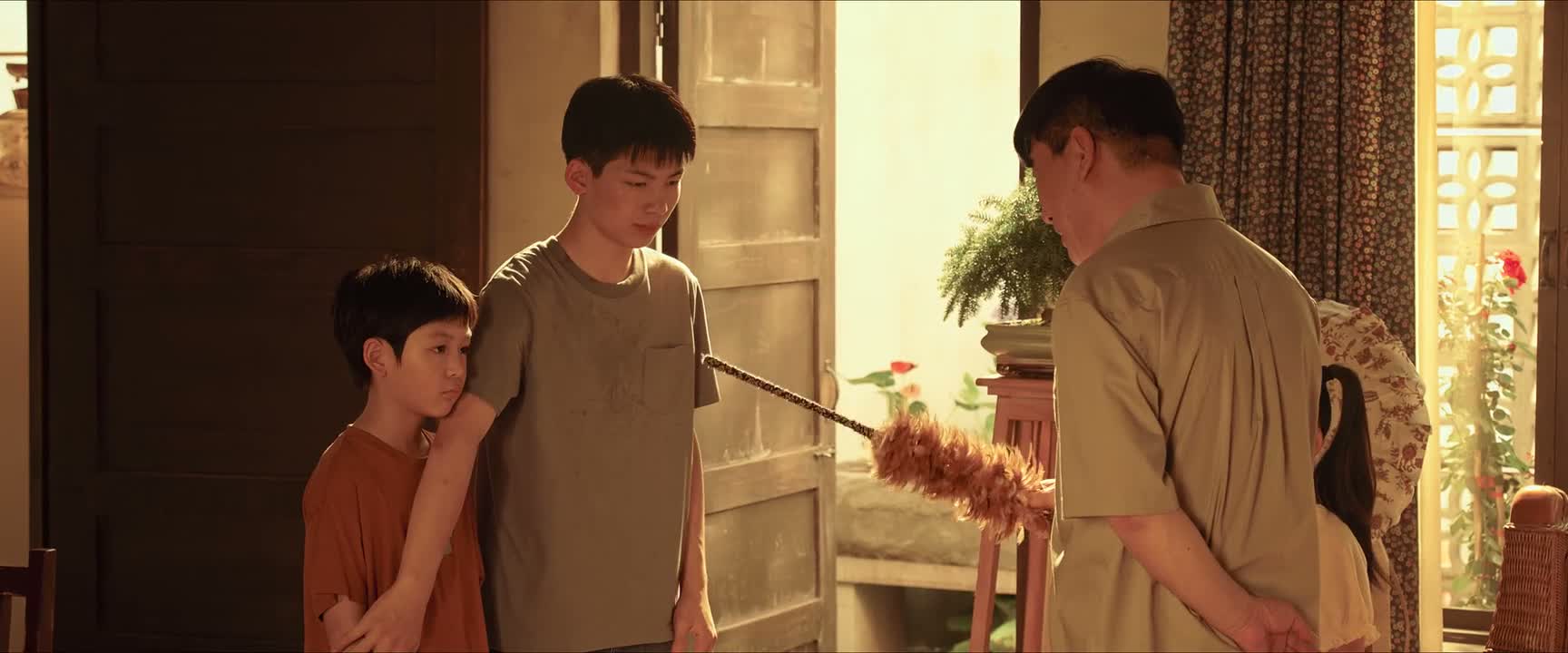
《Live up to Your Youth》 S1·E22 (17:39)
HSK 7
zǒng shì rě bié rén shēng qì
总是惹别人生气
“others with my words.”
《Live up to Your Youth》
S1·E22
TIMECODE: 17:39
·
1080P MASTER AUDIO
THE DIALOGUE REEL
[-1] PREVIOUS TURN
dàn shì wǒ yī shuō shén me ba
但是我一说什么吧
“But I'm always offending”
zǒng shì rě bié rén shēng qì
CURRENT FOCUS
总是 惹别人生气
“others with my words.”
[+1] FOLLOW-UP TURN
nǐ yào shì bù kāi xīn
你要是不开心
“If you're unhappy,”
Subtitles synced to millisecond timecode
Browse Show Clips →
Scene:
Social & Dating
Function:
SELF REPROACH
Tone:
SELF-DEPRECATING
Emotion:
REGRET
WHAT THEY REALLY MEAN (PRAGMATIC SUBTEXT)
“I always say the wrong thing and mess things up; please don't be mad at me.”
💡 Cultural Insight: Self-Reflection (Fansi)
In interpersonal friction, expressing self-blame first is a polite communicative strategy designed to lower tension and invite sympathy or comfort.
INTENT TAGS:
#self_reproach
#apology
#vulnerability
#seeking_comfort
🧩
1 CHUNKS · 0 PARTICLES
LEARNING CHUNKS & PARTICLES
惹别人生气
SPOKEN CHUNK
to make other people angry / irritate others
A very natural spoken collocation where '惹' means to provoke or cause an emotional reaction in someone.
🏮
1 EXPR · 0 GRAMMAR
VOCABULARY & EXPRESSIONS
COLLOQUIAL EXPRESSIONS:
CROSS-CINEMA CORPUS BOARD · PARALLEL SCENES
EXPLORE BY SEMANTIC SIMILARITY
Parallel Spoken Cinema Scenes (语义近邻切片)
《Live up to Your Youth》 S1·E22 (17:39) · Authentic Cinema Dialogue Corpus