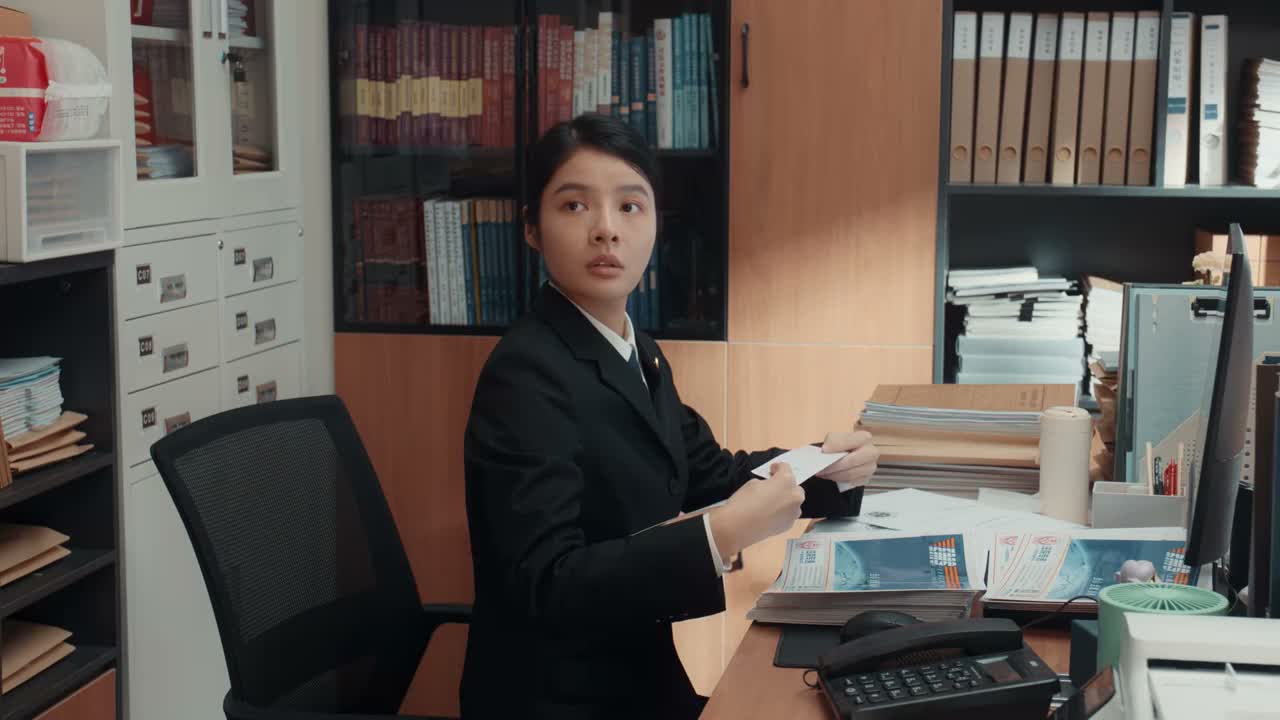
我披麻戴孝冲在前面办丧事儿
“I wore mourning clothes and took care of the funeral all by myself.”
THE DIALOGUE REEL
我一个当媳妇的
“I'm the daughter-in-law.”
我 披麻戴孝 冲在前面 办丧事 儿
“I wore mourning clothes and took care of the funeral all by myself.”
凭什么呀
“Why?”
“I did all the dirty, exhausting work while everyone else stepped aside, and I've had enough.”
In traditional Chinese culture, daughters-in-law often face intense expectations to perform heavy filial duties, creating resentment when other direct heirs shirk their obligations.
LEARNING CHUNKS & PARTICLES
wear mourning dress (sackcloth and mourning hood)
A traditional four-character idiom describing the traditional attire of direct descendants or close family during funeral rites.
rush to the front / bear the brunt
Used metaphorically to indicate taking the lead or handling the most difficult, exposed duties.
arrange funeral affairs
Colloquial northern Chinese expression for handling funeral arrangements.
Erhua suffix characteristic of northern spoken Chinese, adding a colloquial, natural flavor.